

























































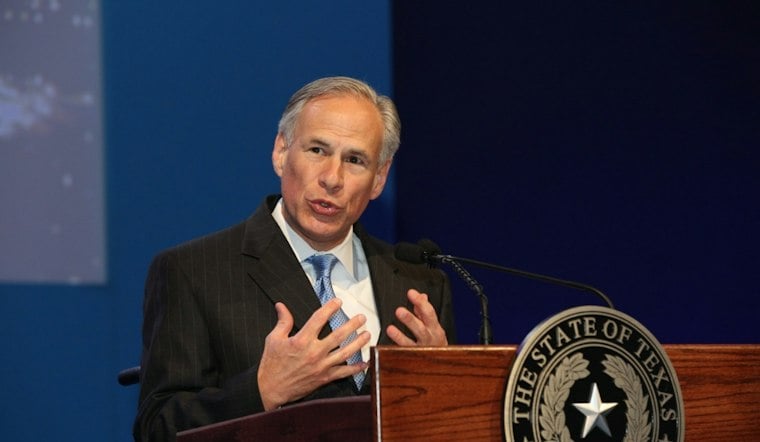
Governor Greg Abbott announced $40 million for 411 Texas school systems on Monday, funneling the money through a new program meant to recruit, train and retain teachers at a time when the state's educator pipeline is under strain. The funding flows through the Preparing and Retaining Educators through Partnerships Program Allotment, known as PREP, and covers residency training, mentorship stipends and pathways for school employees to become certified teachers.
“Governor Abbott today announced $40 million to 411 Texas school systems through the Preparing and Retaining Educators through Partnerships (PREP) Program Allotment,” according to the Governor Abbott Press Office
. The office said the funding “will strengthen teacher recruitment, preparation and mentorship, and bolster Texas' teacher workforce.” Abbott framed the investment in personal terms, saying, “Texas educators shape future generations, and it is critical that they enter the classroom ready to succeed. This investment empowers schools and builds on Texas' efforts to ensure that every student has access to a high-quality education.”
Texas Education Commissioner Mike Morath also weighed in on the announcement, saying the allotment “gives Texas school systems the resources to build a stronger educator pipeline.” He added that the funding “will help districts recruit talented candidates, provide meaningful preparation and mentorship, and support more educators as they begin their careers.”
How the Money Is Structured
PREP participation is optional for eligible districts and open-enrollment charters, and the money is distributed through the Foundation School Program rather than through a competitive grant process, per the Texas Education Agency. The program's Grow Your Own component funds current school-system employees, such as paraprofessionals or teaching assistants, to earn a bachelor's degree and enroll in an educator preparation program, with districts receiving between $8,000 and $12,000 per employee for up to 40 employees a year, the agency says.
On the residency side, the same TEA guidance says residents must complete at least 750 hours of clinical teaching under a trained host teacher, with funding for the first 40 residents ranging from $24,000 to $39,500 per resident, plus an additional $2,000 available for candidates pursuing bilingual or special-education certification. A separate mentorship component provides $3,000 per beginning teacher, up to 40 teachers, with mentor stipends of at least $1,000.
According to the Texas Association of School Boards, the rollout is phased: the 2026-27 school year covers the preservice residency program, Grow Your Own program and mentor program, with traditional and alternative preservice programs following in the 2027-28 school year.
A Shrinking Teacher Pool
The investment arrives as Texas grapples with a thinning educator workforce. The state's teacher pool shrank by more than 5,000 public school teachers between the 2023-24 and 2024-25 school years, according to a report from the University of Houston. That same report found that 52.3% of first-year teachers in 2024-25 entered the workforce without certification, and uncertified teachers now make up 8% of the state's total teacher workforce. The average base teacher salary in Texas for 2024-25 was $62,715, per the report.
PREP traces its origins to House Bill 2, passed by the 89th Texas Legislature and signed into law by Abbott in June 2025. The law delivered a record $8.5 billion in new public education funding, including investments aimed at supporting teachers and strengthening the educator pipeline, as detailed by The Texas Tribune. Under the broader law, aspiring educators in teacher residencies receive $10,000, while those pursuing a traditional university or alternative certification route receive $3,000, and the state offers a one-time $1,000 payment to educators hired in the last three years who receive formal training by the end of the 2026-27 school year, the Tribune reported.
The Texas Education Agency has said it maintains a PREP Allotment webpage with program information and a complete list of participating districts for anyone seeking further detail on the rollout.





