

























































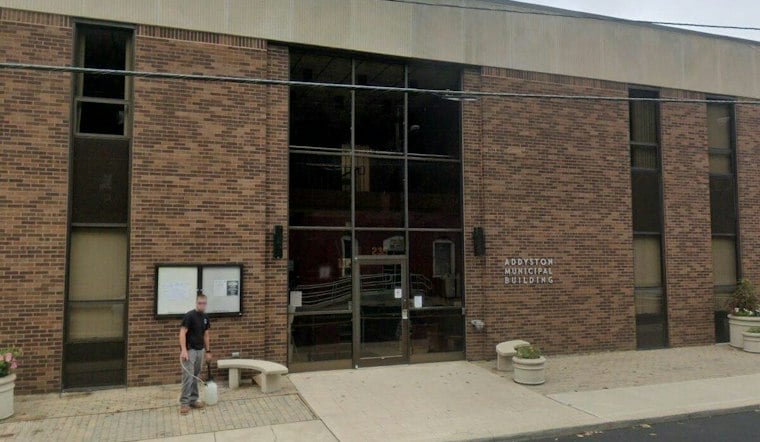
Addyston, Ohio, a village of about 900 people tucked along the Ohio River in western Hamilton County, is staring down the loss of two things it has relied on for generations: a giant chemical plant and the water that flows from its own municipal wells. As the plant that has defined the village for decades winds down operations, local officials are scrambling to keep the taps running, and residents may soon be asked to pay more just for clean drinking water.
Addyston has long been tied to the enormous chemical plant that stretches along the Ohio River, according to the Cincinnati Enquirer. That plant, operated by INEOS Styrolution, announced in October 2024 that it would permanently shut down its ABS and SAN polymer production at the site, citing uncompetitive costs and growing overseas import competition, according to Plastics Today. The facility began a multi-phase decommissioning in spring 2025, and per the Enquirer, the village has already lost jobs and revenue as the shutdown has progressed.
The water problem isn't incidental to the closure, it's baked into the plant's very footprint. Addyston's two primary municipal drinking water wells sit directly on INEOS property, and the Ohio EPA sent village officials a warning letter in May 2025 saying the aging wells, leaky supply lines, and sediment-caked tanks needed a new water source, according to Cincinnati Magazine. INEOS itself operates ten higher-capacity industrial wells on the same tract, a detail that underscores just how entangled the village's basic infrastructure has become with a company that's packing up and leaving.
A Third of the Budget, Gone
The financial math is brutal for a village this small. The plant provided roughly $350,000 in municipal income tax and $21,000 in property tax every year, accounting for about one-third of Addyston's total $1.26 million annual operating budget, the magazine's report found. Addyston employs only five municipal staff members, leaving little room to absorb a hit of that size.
The plant itself isn't just a line item, it's a physical presence that dominates the landscape. Its 100-foot-tall towers and storage tanks occupy roughly a third of the village's total land area, stretching a half-mile along U.S. Route 50 and the Ohio River, per the same Cincinnati Magazine account. Village officials now have what the Enquirer describes as a short-term plan to keep water flowing to the roughly 900 residents who call Addyston home, even as the long-term fix remains unresolved.
Budget Cuts Already Underway
The water crisis is only the latest in a string of forced cutbacks. A year ago, in November 2024, the Addyston Village Council voted 4-3 to dissolve its own police department over severe budget constraints, shifting coverage to the Hamilton County Sheriff's Office, according to Eagle Country 99.3. That decision, covered at the time by Hoodline, ended decades of independent local policing in the village well before the plant's closure fully took hold.
Addyston's residents are not well positioned to absorb new taxes or utility fees. U.S. Census Bureau data compiled by Data USA shows the village's poverty rate at 33.4%, with a median household income of $50,417 and a homeownership rate of just 38.9%. The median home value sits at $105,700, numbers that illustrate why any proposed water tax or fee hike lands so heavily on a population already stretched thin.
A Company Town Weighing Its Future
Village officials have floated two paths forward: raise water fees or municipal taxes on residents, or give up a measure of independence altogether. Addyston has explored annexing into the City of Cincinnati or merging with Miami Township to preserve municipal services, but residents pushed back on annexation during public meetings in early 2025 over fears of tax increases, Cincinnati Magazine reported. Any annexation would require approval from both Cincinnati City Council and Addyston's own voters, a dual hurdle that has kept the idea stalled.
The plant's roots run deep, and so does the village's identity as a company town. Addyston was incorporated in 1891 as a company town for the Addyston Pipe and Steel Company, whose 1890s price-fixing agreement became the basis for the landmark 1899 U.S. Supreme Court antitrust case *Addyston Pipe & Steel Co. v. United States*, according to OwnInOhio. That original pipe foundry closed in 1950 before the site was repurposed for chemical manufacturing, a transition that set the stage for everything that followed.
Plastics production at the site dates back to 1953 under Monsanto, which ran the facility for more than 40 years before it passed to Bayer, Lanxess, and ultimately INEOS in 2007, according to INEOS Group. Some longtime residents still refer to the facility as the Monsanto plant, a nod to the seven decades of industrial history baked into the village's identity. The site's environmental record has also drawn scrutiny over the years: in July 2009, INEOS ABS USA and former plant owner LANXESS Corporation agreed to pay $3.1 million in civil penalties to settle a federal and state lawsuit over Clean Air Act violations for hazardous chemical releases, according to the U.S. Environmental Protection Agency, a settlement that also required $2 million in pollution control upgrades.
For Addyston, the current reckoning over water isn't an isolated utility dispute. It's the latest chapter in a 135-year relationship between a small river village and the industrial site that has employed its residents, filled its tax coffers, and now, as it empties out, threatens the very water coming out of the tap.



