

























































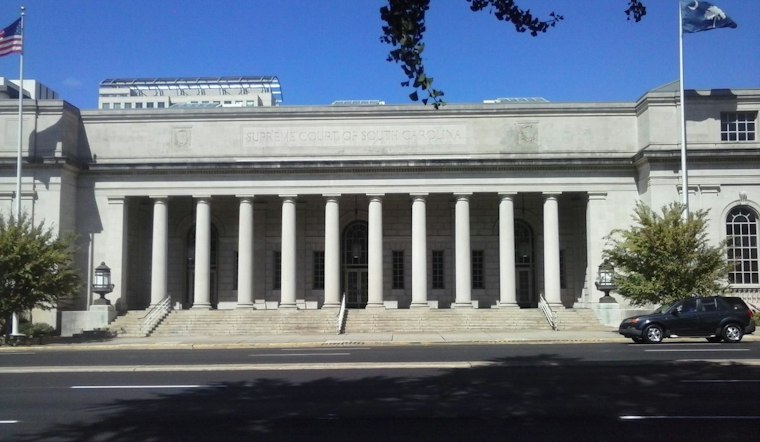
Aiken City Council voted unanimously on Monday to request that the South Carolina Supreme Court create a homeless court in the city, a specialized docket meant to steer unsheltered residents facing minor charges toward services instead of jail time or fines. The resolution clears a major hurdle for a proposal that has been in the works for months, though it still needs a signature from the state's chief justice before it can become reality.
What the Resolution Actually Does
The vote, passed Oct. 26, directs city officials to formally ask the South Carolina Supreme Court to issue an order establishing the court, according to the Post and Courier. Nick McCarley, a deputy public defender with the 2nd Judicial Circuit who has shepherded the proposal, said the resolution would be submitted to the chief justice.
The program would serve unsheltered people charged with nonviolent misdemeanors and infractions in Aiken City Court, according to wjbf.com. Participants would be screened for eligibility before ever appearing in front of a judge, and those who qualify would be connected with services meant to address whatever issues contributed to their circumstances, the station reported. WRDW reported that the council had voted to support establishing the specialized court, with potential services including mental-health or addiction treatment, job training and housing support once the program is up and running.
Costs, Timeline and a City Manager's Case
McCarley presented the plan to all seven council members, city officials and interested stakeholders on Oct. 12, laying groundwork for Monday's vote. City staff and the municipal court judge were among those involved in discussions about the proposal. Bedenbaugh has previously estimated staffing it would cost between $50,000 and $60,000 annually, a figure also cited by wjbf.com.
If the chief justice signs off, the proposed court would serve the city of Aiken only, and the city is targeting 2027 to begin the program, according to wjbf.com.
A Pastor's Perspective and a Population in Dispute
Kurt Johnson, pastor of Lost Sheep Ministries in Aiken, has discussed prevention in connection with the program. McCarley and other groups have said Aiken's unsheltered population has grown in recent years, though the city's own numbers on that population tell conflicting stories. An annual Point-in-Time count recorded 40 people experiencing homelessness in Aiken, according to WRDW, while Johnson has estimated the real figure tops 600 in the Aiken area and roughly 1,500 across the broader Central Savannah River Area. WRDW noted the official count faced challenges including fewer volunteers, winter weather and many people who declined to be included, a gap that helps explain why the two figures diverge so sharply.
How Other South Carolina Cities Run Their Courts
South Carolina's judicial branch describes homeless courts as free, voluntary diversion programs intended to help people experiencing homelessness exit the criminal justice system with little to no effect on their records, according to the South Carolina Judicial Branch. The agency says the courts aim to address the unique challenges facing people who are homeless and charged with minor offenses by connecting them to housing, employment and mental-health services. A state Supreme Court-approved version of the program already operates in seven other South Carolina cities, including Columbia, Greenville, Myrtle Beach, Rock Hill, Florence, Spartanburg and Gaffney, the Post and Courier has reported separately, though North Charleston has no dedicated homeless court of its own.
Columbia's program, launched in September 2014, usually draws between 40 and 60 applicants a year, according to the SC Daily Gazette. Greenville's version required no startup cost because its space was donated, the Gazette reported.




