

























































Akron has struck a deal with state and federal environmental regulators that lets the city walk away from building a $300 million sewage treatment facility, a move officials say will spare local ratepayers from an even steeper jump in their water bills. The agreement, still pending approval from a U.S. District Court, caps more than a decade of court-ordered sewer upgrades tied to a 2014 consent decree.
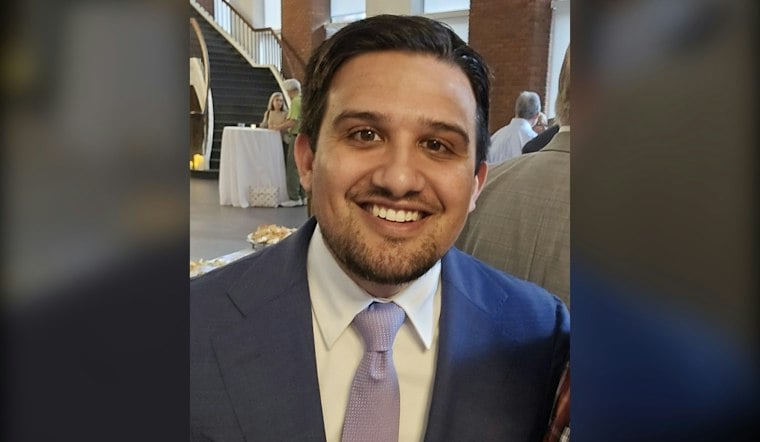
Akron Mayor Shammas Malik expressed hope in January 2024 that Akron would not have to build the facility. As reported by Cleveland.com, Malik called the update promising.
The facility in question, known as the Enhanced High Rate Treatment plant, or EHRT, was one of the final pieces of a consent decree that traces back to a 2009 Clean Water Act lawsuit filed by the U.S. Department of Justice and U.S. EPA. That lawsuit accused Akron of illegally discharging more than a billion gallons of untreated sewage annually into local rivers, according to the U.S. Environmental Protection Agency. U.S. District Judge John R. Adams formally entered the binding decree in 2014, and the city has been working through a list of 26 capital projects ever since.
A Legal Fight That Almost Didn't Go Akron's Way
Getting out of the EHRT project wasn't easy. Akron first proposed dropping the facility back in 2022, arguing it would be expensive and unnecessary, and suggesting cheaper alternatives to clean up local waterways instead. Judge Adams wasn't initially persuaded — in March 2024, he rejected the city's request, writing that the consent decree could not be modified simply because Akron wanted to renegotiate obligations it had freely assumed, according to Signal Akron.
Akron appealed that ruling to the U.S. Court of Appeals for the Sixth Circuit, which referred the dispute to court-ordered mediation between the city and environmental regulators, the city notes. That mediation process ultimately opened the door to the deal announced this week. The city's own account of the negotiations, posted on its website, lays out how the breakthrough came together late last year.
A $30 Million Fix Instead of a $300 Million Plant
The turning point came in December 2025, when Akron presented technical modeling showing it could meet state water quality standards by converting its existing Cuyahoga Street Storage Facility into a primary clarification and disinfection plant for approximately $30 million — a fraction of the EHRT's price tag, per the City of Akron. Regulators were convinced enough by that data to agree the pricier facility wasn't necessary.
Chris Ludle, an Akron official, said the city is reaching the end of the consent-decree chapter but remains responsible for maintaining critical infrastructure going forward, per Cleveland.com's reporting. With the EHRT off the table, the city says it will shift its focus toward improving its aging drinking-water system.
What Ratepayers Were Facing — And What They'll Pay Instead
The financial stakes for Akron households were significant. City financial models had indicated that if Akron had been forced to build the EHRT facility, local sewer bills would have required an additional rate increase of 20% to 23% beyond already-planned hikes, Signal Akron reported in 2024. Instead, Akron proposed a 5.3% annual sewer rate increase running from 2026 through 2029, along with a new fixed monthly fee reaching $12.50 by 2029 — the city's first retail sewer rate increases in over a decade, according to the city's own announcement.
To soften the blow for lower-income households, Akron expanded its bill assistance program in September 2025 to offer a 40% sewer discount to eligible low-income tenants and homeowners enrolled in HEAP or the Homestead Exemption, WKYC reported. Even with the EHRT scrapped, Akron has already spent more than $1 billion over the past decade upgrading its sewer system, per Cleveland.com, and the overall program's estimated cost still climbed from an initial $870 million in 2011 to roughly $1.2 billion by 2025, according to the Akron Waterways Renewed! program.
Nearly Finished, With One Tunnel Left to Go
Akron has completed 24 of the 26 projects required under the consent decree, Cleveland.com reports. The single largest of those, the $315 million Ohio Canal Interceptor Tunnel, virtually eliminated combined sewer overflows in downtown Akron, per WKYC's reporting. The Northside Interceptor Tunnel remains under construction and is expected to be completed before the end of 2026; once finished, it will enable 99% of wet weather flow to the sewer system to be eliminated or captured for full treatment, according to Cleveland.com.
The deal is not yet final. The U.S. EPA has filed a notice of lodging for the proposed amendment, which will trigger a 30-day public comment period once it is published in the Federal Register. The proposed agreement will not become final without approval from the U.S. District Court.
The cost pressure from Akron's consent decree has rippled well beyond city limits. Suburban communities that rely on Akron's wastewater treatment network, including the City of Tallmadge and parts of Summit County, were forced to pass along multi-year sewer rate increases exceeding 30% to help fund Akron's obligations, according to the City of Tallmadge. Ratepayers across the region have collectively invested over $1 billion in the Akron Waterways Renewed! project, per Cleveland.com, a bill that will keep showing up on monthly statements even as the city closes out one of the most expensive legal fights in its history.



