

























































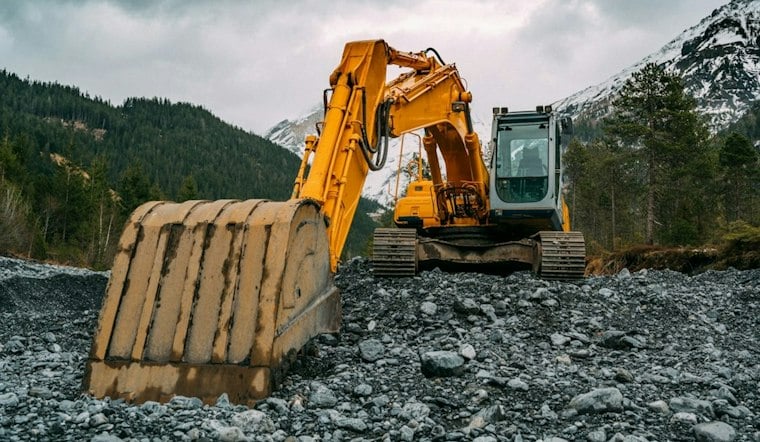
A Caltrans heavy-equipment training session in Alameda County concluded July 16, giving participants skills intended to prepare them for jobs in the trades. Caltrans described it as the agency’s first tuition-free Bay Area cohort and highlighted two graduates.
The announcement came via a post from Caltrans HQ
, the official account of the California Department of Transportation, which is based in Sacramento and shared a message from Caltrans District 4 highlighting the milestone. According to Caltrans, the Bay Area session ran in Alameda County from June 1 through July 16 as part of the
Caltrans workforce development program
. The session, which spanned six weeks and three days, was delivered through a partnership between Caltrans' Office of Civil Rights, the Federal Highway Administration, and Oregon-based Baker Technical Institute, which serves as the primary instruction provider.
A $3.6 Million Push Backed by Federal Infrastructure Dollars
The statewide initiative behind the Bay Area cohort carries a $3.6 million price tag, with $1.1 million coming from the federal Infrastructure Investment and Jobs Act, according to data reported by America's Transportation Awards. The funding is aimed at training 180 underserved individuals across California between 2025 and 2027, spreading the tuition-free opportunity well beyond the Bay Area's single session.
The tuition-free program includes training in heavy equipment operation, HAZMAT First Responder training, OSHA 10, California Flagger certification, forklift operation, CPR and First Aid, and the Multi-Craft Core Curriculum, an apprenticeship-readiness program.
Simulators Before Real Bulldozers and Excavators
The training includes virtual-reality simulators and field equipment.
Recent statewide cohorts of the academy have posted a 95 percent graduation rate, according to America's Transportation Awards. Program coordinators have also organized Contractor Days to connect graduating trainees with hiring firms.
What the Jobs Actually Pay
For graduates who go the state civil-service route, entry-level Caltrans Equipment Operator II positions pay a monthly base salary between $4,883 and $6,127 as of the 2025–2026 pay schedule, according to CalCareers listings. Those roles require an unrestricted Class A commercial driver's license with a tank endorsement, and the work includes highway and bridge maintenance along with emergency callouts and shift work.
Beyond state service, Caltrans program planning documents project average earning potential for heavy highway construction trade graduates between $44 and $56 an hour across public works and private contracting roles. That range reflects strong demand for infrastructure labor in Bay Area urban centers, where prevailing trade wages have stayed competitive.
Local Equipment Hub in San Leandro
In the Bay Area, Caltrans District 4 relies on its Shop 4 maintenance facility in San Leandro to service, inspect, and deploy the heavy equipment used on state transportation projects across the nine-county region. Shop 4 mechanics keep that machinery operational for both routine highway maintenance and storm emergency response, grounding the training program in the same equipment network graduates may eventually work alongside.
More Sessions Coming Through 2027
The Bay Area cohort was just one stop on a larger statewide tour. The initiative is structured to run nine seven-week academy sessions through September 2027, according to Baker Technical Institute, with upcoming cohorts scheduled for Los Angeles County starting in January 2027 and Sacramento in June 2027.
Other Training Paths and a Previous Caltrans Cohort
A separate Caltrans release dated Sept. 8, 2025, reported that 20 students had graduated from the agency’s Heavy Highway Construction Trades Academy in Humboldt County. That was a distinct cohort from the Alameda County class, according to Caltrans. Another Bay Area option is separate from the Caltrans course: Cypress Mandela says it offers a no-tuition, 16-week pre-apprenticeship program with classroom and hands-on instruction, training and job-placement support.
Caltrans has provided an application link for Californians interested in future cohorts, continuing a push to pair federal infrastructure funding with workforce equity in an industry facing a retiring labor pool and growing project demand.





