

























































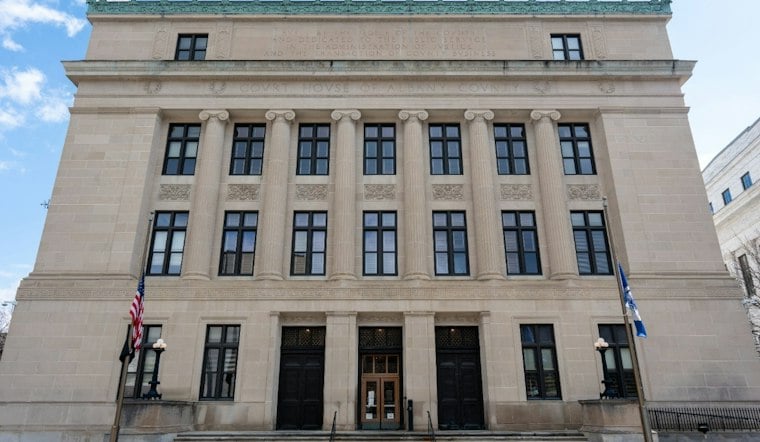
Albany County voters head to the polls on Nov. 3 to decide whether the county should scrap its system of four elected coroners in favor of an appointed medical examiner's office, a change that would hand death investigations to a physician trained in forensic pathology rather than elected officials who need no medical background. If approved, the transition would take effect Jan. 1.
Under the current system, coroners are elected in Albany County and lead death investigations without any requirement for medical experience, according to news10.com. They investigate unattended or questionable deaths and pronounce people dead, but they rely on contracted physicians at local hospitals, including Ellis Hospital under a county contract, to actually perform autopsies. The proposed ballot measure would instead create an Office of Medical Examiner within the Albany County Department of Health, as wnyt.com reports, and that change requires voter approval because it would amend the Albany County Charter.
The new office would be led by a chief medical examiner appointed by County Executive Dan McCoy for a six-year term, subject to confirmation by the Albany County Legislature. That person would have to be licensed to practice medicine in New York State and have forensic pathology expertise, per the same news10.com report. The medical examiner would oversee a staff that includes death investigators, decide when autopsies are necessary, and determine cause of death using medical training that elected coroners are not required to have.
What Changes Under the New System
As it stands now, the chief medical examiner and a chief deputy would conduct autopsies in-house at a facility rented from Ellis Hospital, rather than contracting the work out as coroners currently do. Albany County Commissioner of Health Kristen Navarette said the proposal would bring qualified experts into investigations and that the health department values transparency, accountability and informing the public. Navarette also argued that better data from a medical examiner's office could help prevent future deaths, telling reporters the system gives officials data that allows them to learn from deaths and intervene before similar ones happen.
Navarette said Albany County is behind other counties in New York State, noting that other counties of similar size have already moved to medical examiner systems. The Daily Gazette describes Albany County as the largest in New York still relying on an elected coroner system. If the measure passes, Albany would become the 23rd New York county to adopt a medical examiner system, according to the same outlet.
A Rising Caseload
The push for change comes as the county's death-investigation workload has grown substantially. Albany County coroners completed 785 death investigations in 2012, a number that climbed to 1,078 by 2024, the Daily Gazette's reporting shows. Autopsies tied to those investigations rose over the same period, from 203 in 2012 to 339 in 2024. News10.com separately reports that the Coroner's Office has handled more than 1,000 cases annually since 2020, with well over 300 of those cases requiring autopsies each year. A 2025 audit cited by the Daily Gazette also found that the office lacked adequate procedures for documenting activity and maintaining supporting records.
The Price Tag Debate
Money is shaping up to be the central flashpoint. The current Coroner's Office operates on an annual budget of roughly $1.8 million, while the proposed medical examiner's office would carry a budget of about $2.7 million — roughly $935,000 more, per news10.com's reporting. That plan calls for hiring seven people, including two medical examiners paid $210,000 each and two autopsy technicians paid $50,000 each, alongside three death investigators.
Navarette has said county costs may rise slightly and temporarily during the transition but expects them to level out and be budget neutral over the next couple of years. The New York State Association of County Coroners and Medical Examiners has pushed back on that framing, arguing that replacing coroners could significantly increase county expenditures and property taxes without necessarily improving services.
Two Sides of the Same Mission
The debate centers on the proposed system's impact on death investigations and county spending. The Altamont Enterprise notes that New York does not require coroners to be physicians, though optional training is available, and that the financial impact of switching systems varies widely by county — sometimes raising costs, sometimes offsetting them through efficiencies.
Elsewhere in New York, counties have adopted medical-examiner systems.
For now, the decision rests with Albany County voters, who will cast the deciding ballots on whether Albany County's elected, non-medical coroner system gives way to a centralized, physician-led office on Jan. 1.





