

























































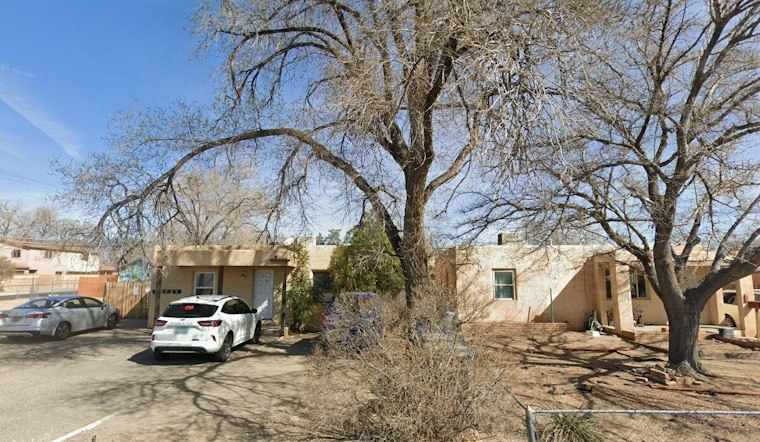
The Albuquerque Community Foundation says it is closing in on a $200,000 fundraising goal to support StreetVision Housing Strategies, a nonprofit working to rebuild housing stock in the city's International District. The milestone comes as StreetVision pushes forward on several projects at once, including a 20-unit cottage village, a group home and a renovated duplex, all aimed at a neighborhood where housing has grown scarcer and more expensive for years.
“We're getting closer to our $200,000 goal!” the Albuquerque Community Foundation says, adding that every gift helps StreetVision continue its work in the International District. StreetVision is the first grantee of the foundation's Rooted Together initiative, a two-year, community-centered grantmaking effort that emphasizes multiyear investment and neighborhood relationships, according to the foundation's Rooted Together page. As reported by the Albuquerque Journal, the foundation expects to hit its fundraising goal by the end of 2026, per foundation vice president of communications and operations Denise Nava Wyrick, and StreetVision was chosen from 90 applicants to become the program's first grantee.
A Neighborhood Reshaped by Vacant Lots and Rising Rents
StreetVision traces its roots back to 1999, when it was founded as East Central Ministries, according to the organization's StreetVision website. The group shifted its focus toward housing and land-use issues over the past five to 10 years, with that pivot accelerating in early 2024 in direct response to the International District's housing crisis, the site notes. The organization formally relaunched under the StreetVision name in 2025 to reflect its new mission.
Founder and executive director John Bulten, who lives in the International District, told the Albuquerque Journal that vacant lots, abandoned buildings, street homelessness and people getting priced out of rentals have all increased dramatically in the neighborhood. The scale of that pressure shows up in a community needs assessment conducted by the International District Direct Service Provider Collective between July 2022 and May 2023, which found that 35% of district residents lived below the poverty line and that 71% of individuals served by the collective's member organizations were homeless.
Cottages, a Group Home and a Renovated Duplex
StreetVision has acquired roughly nine housing properties in the International District over the past two years, per Bulten, funding those purchases through donations and fundraising and then renovating or remodeling the units. The organization's flagship effort is what it describes as Albuquerque's first affordable cottage development, rising at 161 Chama NE on a vacant two-thirds-acre lot the group acquired two years before the project broke ground. Construction began in February 2026, according to the Albuquerque Journal, with completion slated for spring 2027.
The Chama Street development carries a $4.4 million price tag and received funding contributions from the state, county and city, the Journal reports. When finished, it will include nine buildings offering 20 units ranging from 475 to 626 square feet, spread across a 10,000-square-foot site with walking paths and courtyards. StreetVision has committed to keeping rents affordable there for 30 years, targeting people earning less than half of the area median income — no more than $35,000 a year for an individual or $40,000 for a family of two.
Bulten was careful to frame who the project serves. “The Chama project is for working vulnerable residents,” he said, adding that it is not a homeless shelter. StreetVision's housing-progress page separately describes the same cottage effort as a 20-unit village built on four adjoining vacant lots with input from neighbors and future tenants and assistance from IMPROVE Group, according to StreetVision's housing-progress page.
Beyond the cottages, StreetVision is also renovating a substandard duplex and adding a casita accessory dwelling unit, per that same page. In partnership with First Nations Health Services, the group plans to convert a county-owned building into an eight-bed group home. The foundation's Rooted Together materials point to a related effort called ID Rising, which involves two properties expected to provide 23 permanently affordable rental homes in the district. StreetVision's history includes Casa Shalom Cooperative Housing, launched in 2008, which converted 20 apartments and two houses into stable homes for 13 families.
How the Grant Money Is Being Used
The Albuquerque Community Foundation has disbursed the first half of StreetVision's grant, the Journal reports, and the foundation put its own money toward the grant in addition to funds raised from donors and community partners. StreetVision has used that support to build internal capacity and invest in staff development, including hiring consultants to help shape its strategic plan, Bulten said.
“They're doing some really cool work,” Nava Wyrick said of StreetVision, according to the Journal. She added that affordable housing allows families to find their footing once they have stable housing. Bulten described the foundation's support as fantastic, and said he wants to see people housed through new approaches, envisioning a future where children have opportunities and families live in a healthy community. Rooted Together itself extends beyond Albuquerque, serving Bernalillo, Valencia, Torrance and Sandoval counties and focusing on multiyear investments, relationship-building and deepening organizational impact.
The Broader Housing Squeeze Behind the Push
StreetVision's work is unfolding against a backdrop of worsening regional numbers. Albuquerque needs an additional 15,500 rental units affordable to extremely low-income households, along with 2,200 units of supportive housing and 800 units of rapid rehousing, according to a needs assessment from the Urban Institute, which also found that homelessness in the city has steadily increased.
Statewide figures tell a similar story. Forty-three percent of New Mexico renters were cost-burdened in 2021, including 22% who were severely cost-burdened, according to the 2023 New Mexico Affordable Housing Needs Assessment. That same assessment described the Albuquerque metro housing market as increasingly tight, with rising median home sale prices and declining inventory, and estimated that only about 54.9% of renter households in Bernalillo County could afford their county's average rent. Statewide, the New Mexico Mortgage Finance Authority has estimated the state is short roughly 32,000 affordable rental units, with a housing wage gap of $2.66 an hour for a two-bedroom apartment in the Albuquerque metro area.




