

























































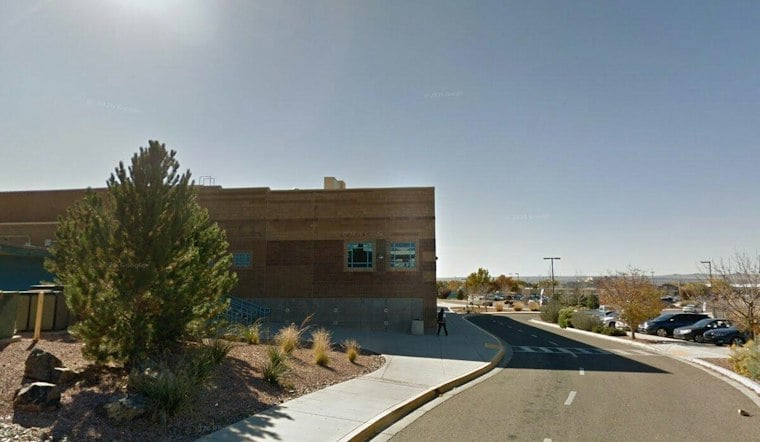
Albuquerque Public Schools began its round of community meetings Monday, October 19, at Cibola High School; Thursday's session at Del Norte High School was the second of 14 meetings running through January as the district confronts a years-long enrollment slide that has left many campuses running far below capacity. District officials say no decisions have been made yet about closing schools, consolidating campuses or redrawing boundaries. APS expects staff to present community priorities and discuss possible next steps with the Board of Education in early 2027, before formal recommendations are drafted.
A District Shrinking by the Thousands
APS has reported an enrollment decline of more than 20,000 students since 2016, according to district leaders cited by KOB 4. Other outlets have cited different figures for the scope of the drop: APS itself says enrollment fell from about 84,000 students in 2016 to under 64,000 by the end of last school year, while the Albuquerque Journal has put the last-decade decline at more than 22,000 students, and nm.news reported a 28% drop over two decades amounting to nearly 25,000 students. Whichever figure is used, the trend line points in the same direction, and it has left district facilities built for a much larger student body.
Antonio Gonzales, APS deputy superintendent of operations, did not mince words about the stakes of the process. “This is a challenging and difficult conversation to have,” Gonzales said, according to the KOB 4 report. He added that “Many of our schools are operating significantly below their intended capacities,” a reality the district says forces trade-offs in staffing and services. District officials have said low school utilization can reduce full-time access to librarians, school nurses and electives, and Gonzales said APS wants students to have access to professionals, electives and wraparound services every day, though funding remains limited.
Why Families Are Leaving the Rolls
APS attributes much of the decline to a declining birth rate in New Mexico and families with school-age children moving out of state, according to KOB 4's reporting. The district's own announcement attributes the trend specifically to declining birth rates in Bernalillo County and families relocating out of state, as detailed by APS. The pattern is not unique to Albuquerque — New Mexico was among five states nationwide that each lost more than 7% of K-12 enrollment between 2019 and 2024, according to The 74, part of a national slide that saw U.S. K-12 enrollment drop from nearly 50.8 million to almost 49.4 million students over that span.
The numbers show up building by building. Cibola High School's enrollment fell from nearly 1,900 students in 2019 to 1,370 last year, according to the Albuquerque Journal. Roughly a quarter of APS's 140 campuses now have fewer than 250 students, the Journal reported, and APS says roughly one in six of its schools operates at less than half of its intended capacity.
The Dollars Behind the Debate
Money is a central driver of the push. APS spends about $50,000 a day on utilities alone to operate its current schools, per KOB 4's reporting, and the district receives less state funding as enrollment falls. That dynamic played out concretely last year: APS lost 2,560 students between the 2024-25 and 2025-26 school years, resulting in an estimated $40 million reduction in state operational funding, according to KOAT.
APS says it plans to solicit public ideas over the next three months and take them to the school board before district leaders decide next steps. The district has repurposed buildings and redrawn boundaries before, having previously converted underused facilities into early childhood centers, dual-language academies and specialized high schools, according to KOB 4's reporting. The APS Board of Education approved a resolution in September authorizing the districtwide public engagement process now underway, per the district's own announcement.
Where and When to Weigh In
After Thursday's meeting at Del Norte High School, sessions continue at Eldorado High School's cafeteria at 6 p.m. on October 27 and Highland High School's cafeteria at 6 p.m. on October 29. A session at the Berna Facio Professional Development Center on November 2 will accommodate Dari, Swahili and Vietnamese speakers at 6 p.m. and Spanish speakers at 6:30 p.m.
Additional meetings follow at Manzano High School's cafeteria on November 10, Rio Grande High School's cafeteria on November 12, and Valley High School's cafeteria on November 19, all at 6 p.m. The schedule picks back up in January with sessions at Albuquerque High School's theater on January 5, Atrisco Heritage Academy High School's cafeteria on January 7, Sandia High School's cafeteria on January 11, Volcano Vista High School's cafeteria on January 12, West Mesa High School's library on January 14, and La Cueva High School's PAC on January 21 — each scheduled for 6 p.m.
How Other Districts Have Handled the Same Problem
APS has noted that school districts across the country are facing similar enrollment shifts, and several have already acted. Aldine Independent School District in Texas saw enrollment fall from more than 70,000 students in 2015-16 to 48,000 twelve years later and responded by closing 14 aging or low-performing schools over three years, according to The 74. A Cleveland restructuring plan would lead to 29 fewer schools amid a potential $150 million deficit, while Killeen ISD closed three elementary schools and two middle schools after stagnant enrollment and the loss of $50 million in federal funding.
Not every district has treated closures as pure austerity. The Lafayette Parish School System used savings from school closures to expand access to pre-K, STEM and fine arts programming, The 74 reported. Austin's school board, meanwhile, approved the closure and consolidation of 10 schools for the current school year, affecting almost 3,800 students, as APS begins its own review.


