

























































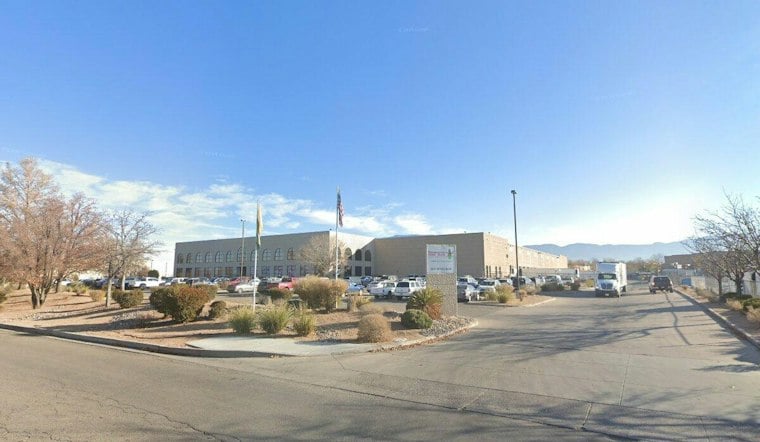
New federal SNAP work rules are adding reporting requirements for many New Mexico recipients, including veterans who previously qualified for automatic exemptions. At the Veteran Integration Centers pantry on Albuquerque's south side, Cedric Smith says the strain is evident: more than 70 veterans and family members come each week, and supplies are difficult to stretch between visits.
Smith, who has worked at the pantry for more than a decade, described the recent pressure as “kind of hard lately,” according to KOAT. He estimates that 70% of the pantry's clients are senior citizens, a population increasingly caught between fixed incomes and new paperwork demands, per Source New Mexico.
The rules trace back to the One Big Beautiful Bill Act, which mandates proof of work or volunteer status to maintain food assistance benefits, and they've landed hard on a state with a sizable veteran population — New Mexico is home to more than 100,000 veterans, per KOAT. The Source New Mexico report notes that veterans now must document work, volunteering, job training or job-seeking for at least 80 hours a month to keep their SNAP benefits. The New Mexico Health Care Authority describes the underlying requirement more broadly: SNAP recipients may need to complete 80 hours of work or other approved activities each month and report those hours when renewing, unless they qualify for an exemption.
Who's Affected and Who's Exempt
The rollout dates reported by state agencies and news outlets describe different points in the process. The Health Care Authority and KOB say eligible adults ages 18 to 64 — those able to work and not caring for a child under 14 — became subject to the 80-hour requirement starting Jan. 1, 2026. The Health Care Authority says the rule applies when someone first applies for SNAP or renews their case on or after that date; for most people, the effect begins the month after the application or renewal is due. KRQE reports that requirements took effect Feb. 1 for people renewing benefits, a distinction that may help explain the different dates recipients have encountered.
According to KOB, the new rules removed automatic exemptions that previously covered veterans, people experiencing homelessness and former foster youth. Physical or mental disability and pregnancy remain recognized exemptions, and KRQE notes that Luna County and residents of some pueblos are exempt altogether, with Health Care Authority staff available to help residents determine whether they qualify for an exception. KOB adds that someone who loses benefits can regain eligibility by meeting the 80-hour requirement for 30 consecutive days and reapplying. Statewide, roughly 55,750 New Mexicans will need to meet the new requirements to keep receiving SNAP in 2026, KOB reports, out of more than 444,000 New Mexicans enrolled in the program — nearly 56,000 of whom are newly subject to work requirements, according to KRQE's reporting.
Food Banks Absorb the Overflow
Roadrunner Food Bank supplies a majority of what moves through the Veteran Integration Centers pantry, and staff there say veterans and their families are increasingly turning to food banks as a first resort rather than a backup. Diana Sanchez, a staff member at Roadrunner, said people are weighing paying bills against seeking health care as rising expenses force difficult choices, and she said veterans and their families face distinctive challenges of their own, per KOAT's reporting.
The strain shows up in Roadrunner's own numbers. The food bank reported a 40% to 60% increase this year in people seeking help, and many of those showing up are return users rather than first-timers. Fuel costs to transport food have surged 70% compared with last year, according to Source New Mexico, while the organization has simultaneously received 50% less food from the USDA's Emergency Food Assistance Program than it did two years earlier. Smith says the pantry has barely enough food to last from one week to the next.
It isn't just elderly veterans filling the gap. Smith said the pantry is also seeing working people who do not earn enough to feed their families. Food bank officials told New Mexico lawmakers earlier this month that more veterans are seeking assistance because they can no longer access SNAP, and KRQE reports that pantry partners across Roadrunner's network are already seeing longer lines since the work requirements took effect.
Why Losing SNAP Hits So Hard
The scale of what SNAP covers helps explain why its disruption cascades so quickly to food banks. Roadrunner Food Bank has said SNAP can provide nine times the amount of food as the entire food bank network combined, meaning even partial losses in benefits translate into outsized new demand at pantries that were never built to replace the program. Roadrunner has also said that one in seven New Mexicans is at risk of hunger, including one in five of the state's children, and a Center on Budget Policies and Priorities report cited by Source New Mexico found more than 10,000 New Mexico children lost SNAP benefits after the law took effect.
Demand was already climbing before the work requirements fully kicked in. Roadrunner reported that demand increased 79% between January 2025 and January 2026, while the smaller Rio Grande Food Project recorded roughly 5,600 visits in January 2026 alone, a 23% jump from the year before. National food prices rose 3% in July compared with a year earlier, adding further pressure on household budgets already stretched thin.
New Mexico isn't alone in watching this play out. In Nebraska, SNAP participation among households dropped about 23% between October 2025 and August 2026 — roughly 17,000 households, or 37,000 individuals, no longer participating — and Food Bank for the Heartland reported demand there now exceeds pandemic-era levels, with many visitors showing up at food banks for the first time in their lives.
Statewide context and a separate VA food distribution
For statewide context, Roadrunner Food Bank's summary of Feeding America's 2025 Map the Meal Gap, based on 2023 data, estimates that 16.6% of New Mexicans were food insecure, compared with 14.3% nationally. Those figures are statewide estimates, not a Bernalillo County rate, and do not establish an effect from the SNAP rule changes, according to Roadrunner Food Bank. A separate, earlier Albuquerque effort offers a documented example of local food assistance, but it predates the current SNAP changes and was not the Veteran Integration Centers pantry. The New Mexico VA Health Care System reported that a free food distribution at the Veterans Memorial Center served 178 people on Jan. 22, 2025.
Roadrunner Food Bank has launched a community resource center outlining the new food-assistance eligibility requirements, and trained staff can help eligible applicants complete SNAP applications and connect with additional resources, according to the organization's own guidance. Cedric Smith, for his part, called the situation sad but said it's simply the current reality his pantry has to operate within. The Veteran Integration Centers has scheduled upcoming donation drives, including one on November 11, as it tries to keep pace with the veterans and families now depending on it week after week.


