

























































A 63-year-old Allen County woman lost $15,300 to a cryptocurrency scam in 2024 after a fake computer pop-up convinced her she needed urgent tech support — and then investigators got every dollar back. State agents traced the stolen funds to a digital wallet, froze them, and recovered the full amount through a search warrant, closing out a case that fraud experts say is becoming alarmingly common across Ohio and the country.
According to the whio.com, the woman's ordeal began when a fraudulent pop-up claimed her computer had been hacked and directed her to call a fake Microsoft hotline, according to the Springfield News-Sun. The person on the other end of that line told her to withdraw cash, convert it into cryptocurrency, and feed it into a crypto ATM — instructions that matched exactly how investigators say this type of fraud typically unfolds, directing victims to withdraw cash and deposit it into the nearest kiosk.
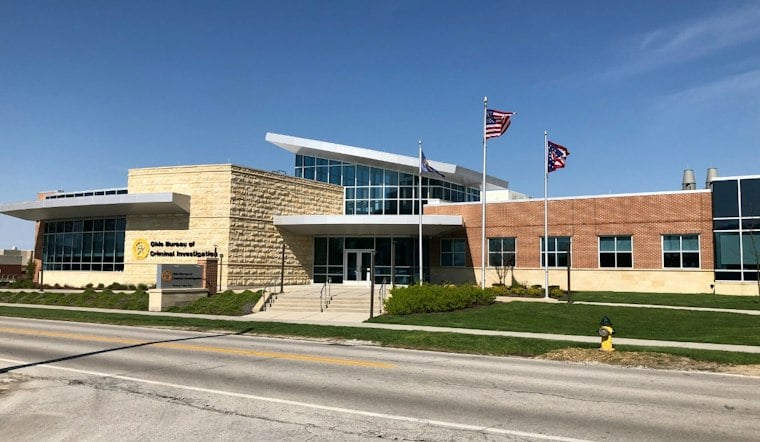
Once she realized she had been conned, the woman reported the scam to the FBI, which referred the case to Ohio's Bureau of Criminal Investigation. BCI's Electronic Financial Investigations Unit then traced and froze the digital funds before securing a search warrant, in coordination with the Allen County Prosecutor's Office, to recover the full $15,300.
How the Money Trail Was Recovered
The recovery is notable because crypto ATM transactions typically send money directly to a digital wallet, making them irreversible and difficult for investigators to trace, per the same account from whio.com. That makes the Allen County outcome something of an exception rather than the rule in these cases.
Ohio Attorney General Andy Wilson said crypto ATMs have become a favorite tool for scammers looking to steal victims' hard-earned money, and he urged Ohio consumers to be extremely cautious whenever they're asked to send cryptocurrency. Allen County Prosecutor Destiny Caldwell said scammers exploit the speed and confusion of cryptocurrency to take advantage of unsuspecting victims.
Since the Electronic Financial Investigations Unit was created in 2024, Wilson said it has assisted local law enforcement agencies with 309 crypto ATM fraud cases involving $5.6 million in total losses, with victims losing an average of $18,767. State officials describe scam targets as typically older residents who are instructed to withdraw cash amounts ranging from $500 to $20,000.
The National Scope of the Crisis
Ohio's numbers reflect a much larger national surge. The FBI received 5,500 cryptocurrency-kiosk complaints involving more than $189 million in losses in 2023, a figure that jumped to 13,460 complaints totaling $389 million in losses in 2025, according to WRAL. Separately, ABC News reported that bitcoin ATM scam losses rose from roughly $250 million in 2024 to $333.5 million between January and November 2025, while the dossier notes AARP cited a similar figure of more than $333 million stolen through crypto kiosks in 2025 — the two outlets describe overlapping but not identical categories of loss. More than 45,000 bitcoin ATMs now operate nationwide, letting users send cash to digital wallets anywhere in the world, per ABC News.
Amy Nofziger, a fraud expert cited by AARP, said crypto ATMs resemble regular bank machines but work very differently and aren't connected to any bank. She said scammers favor cryptocurrency because consumers often don't understand how it works and because the funds can be hard to trace once they leave the kiosk. Nofziger added that scammers typically direct victims to withdraw cash and deposit it into a crypto ATM for transfer straight into a scammer's wallet, and that the scammer usually stops communicating once the transaction is complete.
Similar Cases Keep Surfacing Elsewhere
The pattern shows up far beyond Ohio. In Massachusetts, federal prosecutors are seeking to recover roughly $47,000 in cryptocurrency taken from five victims in a technology-support and government-impersonation scheme, after one victim deposited funds into a Bitcoin Depot kiosk at a Ludlow, Massachusetts gas station, according to news.bitcoin.com. Investigators there traced part of the proceeds to a wallet, seized the funds in March, and linked four additional victims to that same address.
WRAL also documented a Johnston County, North Carolina woman who lost her savings after impersonators posing as local law enforcement convinced her to feed thousands of dollars into a crypto ATM, and a Harnett County man who lost more than $30,000 — almost all of his savings — to a similar machine. AARP separately described a New Mexico woman who deposited more than $11,000 into a cryptocurrency kiosk inside a Santa Fe cannabis dispensary in October 2023 after scammers posing as federal agents claimed her bank accounts had been compromised.
Some cities are moving to respond directly. San Diego recently passed a law requiring scam-warning signs at cryptocurrency ATMs, becoming the first city in California to impose that requirement, according to FOX 5 San Diego. That law is set to take effect January 1, 2027.
Red Flags to Watch For
Ohio's Attorney General's office lists common scam pretexts that often precede these schemes, including fake claims about bail or a warrant removal for a loved one, offers to remove a computer virus, help with a supposedly hacked account, threats about alleged pornographic photos, or requests for aid from an unseen online romantic partner. Scammers may also impersonate a utility company threatening to cut off electricity or a bank warning of an active account hack, and these cons often begin with a manufactured sense of urgency.
Legitimate businesses and government agencies do not take payment through crypto ATMs, and cryptocurrency itself is backed by no government institution — two facts fraud investigators say should be red flags on their own. Anyone who receives an urgent message demanding cryptocurrency is urged to pause and verify independently using trusted contact information rather than numbers or links provided in the message itself. Crypto ATMs are commonly found in convenience stores and gas stations, and Wilson noted they allow users to buy and sell cryptocurrency using cash or credit cards — a convenience that has made them an easy target for fraud networks. Ohioans who suspect they've been targeted can report it to the Ohio Attorney General's office at 1-855-961-SCAM (7226).



