

























































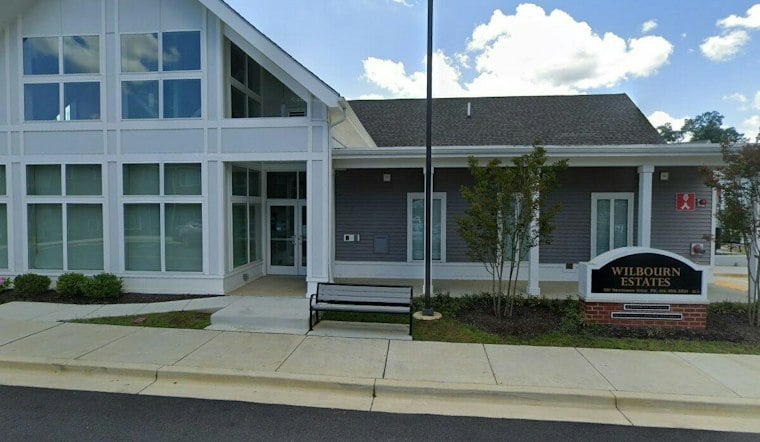
Residents of an Annapolis recovery house received a Keep Out health notice after suspected microbial growth was discovered inside the property.
The City of Annapolis issued a Keep Out health notice after suspected microbial growth was found at the property, according to the Baltimore Sun.
Damp indoor conditions can enable mold growth on surfaces and building materials.
A Regulatory System Still Catching Up
The sudden closure lands amid a broader shift in how Maryland oversees recovery housing. State certification for recovery residences has historically been voluntary under Maryland Health-General Code § 19-2504, enacted in 2016, meaning uncertified homes can operate legally as long as they meet local zoning and building codes, per Thomson Reuters Westlaw. Operators who falsely claim certification they don't have face state civil penalties of up to $1,000 per violation.
That voluntary framework is now being reconsidered. In August 2026, the Maryland Department of Health published proposed regulation COMAR 10.63.27, the state's first formal administrative code chapter dedicated specifically to governing recovery residences, establishing health, safety, and operational standards, according to Vanderburgh Sober Living.
Anne Arundel's Outsized Stake in Recovery Housing
Few places in Maryland have more riding on how these rules shake out than Anne Arundel County. As of October 2025, the county contained 89 state-certified recovery residences housing 553 certified beds, the highest concentration of recovery housing anywhere in Maryland, according to Vanderburgh Sober Living's separate analysis of the county's treatment corridor between Annapolis and Glen Burnie. Anne Arundel County Zoning Bill No. 16-20 was introduced in February and passed in June 2020.
Moisture and Microbial Growth Concerns in Annapolis
In 2023, Wilbourn Estates drew attention over moisture and microbial growth.
It remains unclear how long the Annapolis recovery house will stay closed or where its displaced residents are being housed in the interim. Hoodline has covered a similar displacement case involving Delmar seniors relocated after a mold-related condemnation, underscoring how abrupt these closures can upend vulnerable residents' lives with little warning.




