

























































Asbury Park's Día de los Muertos celebration, originally scheduled for November 7, has been canceled after organizers said fears tied to U.S. Immigration and Customs Enforcement had reached their town. The decision came after several people were taken into ICE custody on April 14 and 15 near City Hall, and organizers said hosting even a scaled-down version of the event was not something they could safely pull off.
“We made the tough decision to cancel this year's Dia de los Muertos,” organizers wrote, according to a statement posted on diadelosmuertosasburypark.com. They said “the current climate with unlawful detentions has reached New Jersey and our town,” and that they had “spoken with the City and other community members” about a smaller gathering before concluding that “logistically it was not feasible.” As NJ.com reported, the goal was to keep the community safe and avoid drawing unwanted attention.
Arrests Near Town Hall Preceded the Decision
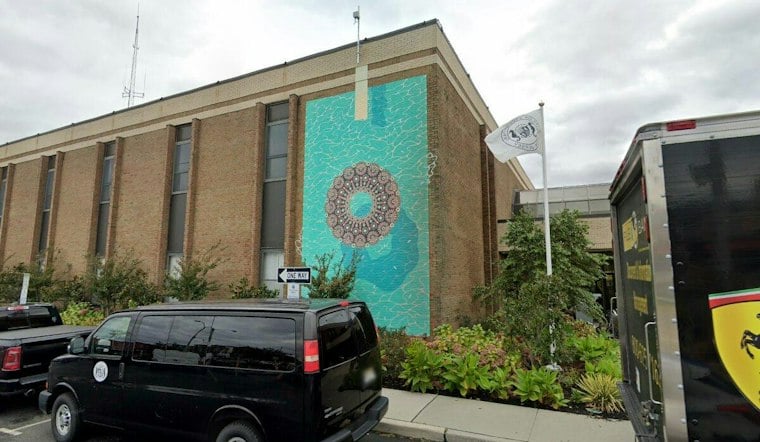
The cancellation followed reports that ICE agents took several people into custody on April 14 and 15 on Main Street in Asbury Park, close to town hall, according to Patch. The report did not specify how many people were detained or their legal status, and those details remain unclear.
In response to the incident, Asbury Park Police Director John B. Hayes said local officers were not involved and had no advance warning it would happen. “Our officers were not involved in this incident and had no advance knowledge that it was going to occur,” Hayes said in a statement posted by the City of Asbury Park. Hayes added that the department does not assist ICE with federal civil immigration enforcement under New Jersey's Attorney General's Immigrant Trust Directive, and said determining whether a federal immigration action was lawful is “not a determination local law enforcement can make,” calling it a question for the courts.
Organizers Say They Intend to Return
Despite calling off this year's event, organizers indicated they hope the tradition isn't gone for good. “We will be back to celebrate our loved ones,” they wrote on the event's website. Per NJ.com, commenters responding to the news expressed a mix of disappointment and understanding. The outlet also reported that Asbury Park Mayor John Moor did not immediately respond to a request for comment.
Similar Cancellations Across New Jersey and Beyond
Asbury Park's decision echoes what happened in Passaic last month, where organizers postponed the city's Mexican Independence Day Parade for similar reasons. Officials there blamed a surge in ICE arrests in the area since the start of summer, according to CBS New York. The Passaic parade has run for more than three decades and is considered one of New Jersey's largest celebrations of Mexican culture; because it was postponed rather than canceled, officials said there is still a chance it could be rescheduled later in the year.
The pattern isn't confined to New Jersey. In California, Fresno Chaffee Zoo canceled its own Día de los Muertos celebration, originally planned for Nov. 1, after a surge in ICE arrests created what GV Wire described as unrest and heightened fear among immigrant families across the San Joaquin Valley. The zoo said it still plans to mark the holiday with special decorations, an art display from Arte Americas, and two ofrendas, and it invited community members to visit and bring photos of loved ones and pets from Oct. 27 through Nov. 2.
In San Antonio, a Día de los Muertos event at Woodlawn Lake Park was also called off amid fear of ICE enforcement, according to TPR, which noted the gathering had remained one of the city's larger celebrations of its kind at this time of year. Taken together, the cancellations in Asbury Park, Passaic, Fresno and San Antonio point to a broader hesitation among organizers of Mexican cultural events to gather publicly while immigration enforcement activity remains a source of community anxiety.





