

























































Doctors diagnosed Dennis Darnes with glaucoma and cataracts when he was 50, after which his vision began slipping away and eventually cost him his job and, later, his home. Now 70, the Atlanta veteran is finding a new kind of independence through a pair of free AI-powered smart glasses distributed by a Midtown nonprofit as part of a nationwide push to help blind veterans navigate the world again.
A Chance Conversation Changed Everything
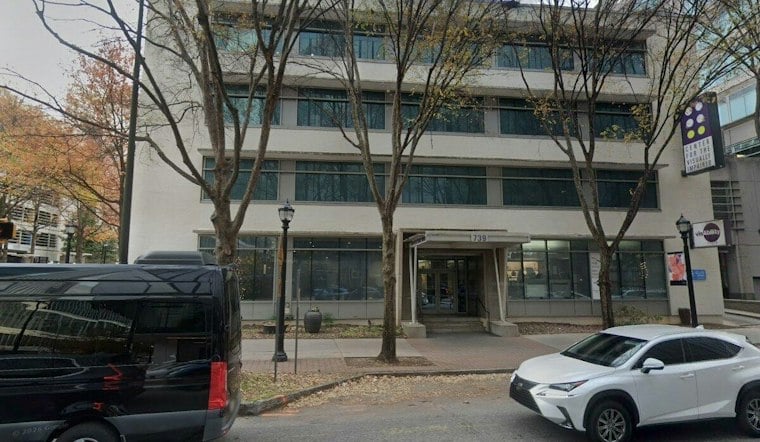
Darnes found his way to the Center for the Visually Impaired, known as CVI, through an unexpected encounter with a fellow bus passenger, according to CBS News Atlanta. The organization has operated as Georgia's only comprehensive low-vision clinic since 1966, per the outlet, and its specialists taught Darnes how to navigate daily life using touch, sound, bump dots and his remaining senses. He has described the toll vision loss took on him before that help arrived, saying it left him feeling depressed and diminished, and that he was once afraid to even cross the street or ask for help, the station reports.
That changed when CVI paired him with Meta smart glasses and the Be My Eyes app, which the station says helped Darnes regain some of the independence he had lost. He now uses the glasses to navigate grocery-store aisles and locate products, and even to identify the color of a shirt or find a coin he has dropped, according to the same report. The glasses use built-in cameras and artificial intelligence to scan written documents, read aloud street and store signs, and describe his surrounding environment in real time, the station notes.
Georgia Joins a Nationwide Veterans Initiative
Darnes is president of the Georgia Regional Group of the Blinded Veterans Association, the only congressionally chartered veterans service organization created for, consisting of, and led by visually impaired veterans. His own path to the technology runs through CVI's broader partnership with Meta, which the center announced would distribute free AI glasses to eligible blind veterans across Georgia, with CVI serving as Meta's Georgia distribution partner for the effort, according to the Center for the Visually Impaired.
CVI planned to launch distribution on White Cane Awareness Day, an annual observance celebrating the achievements and independence of visually impaired people, this past Thursday from 11 a.m. to 2 p.m. at its Midtown Low Vision Clinic, per the center's announcement. More than 50 visually impaired veterans received free pairs of the smart glasses, according to CBS News Atlanta, as part of what CVI says was a partnership with Meta to provide more than 50 pairs to visually impaired veterans, with comprehensive hands-on training included. CVI board chair Jodi Taylor said the new technology opens up possibilities that were unimaginable a few years ago, adding that the center wants people who need new technology to have the opportunity to access it.
A National Rollout With a Growing Waitlist
The Georgia distribution is one piece of a much larger national effort. Meta said in June it would donate Ray-Ban Meta glasses to every blind veteran in America at no cost, touting features that let users identify objects, read text and manage everyday tasks using only their voice, according to Meta's own announcement, which also promised hands-on training with every pair distributed. The company said more than 130,000 American veterans are legally blind and would be eligible under the program, though the Blinded Veterans Association has described the effort instead as donating Ray-Ban Meta AI glasses to 130,000 blinded veterans nationwide — the two organizations frame the same figure differently.
Demand has already outpaced supply. The Blinded Veterans Association says all new requests for the glasses are now being added to a waitlist because of high interest. Similar rollouts have played out elsewhere this year: the Cincinnati Association for the Blind and Visually Impaired partnered with Meta and the Blinded Veterans Association to give more than 40 local veterans glasses as part of a national push, according to Spectrum News 1, and in Utah, dozens of legally blind veterans received glasses and one-on-one training at a Salt Lake City event in late September, per the Deseret News.
Technology With Limits, But Real Impact
CVI offers more than the glasses themselves. The center provides training programs, assistive technology resources and clinical services for people experiencing vision loss, along with a technology guide available regardless of age or income, and financial assistance for services based on income and household size, according to CVI. That broader mission matters because the challenges Darnes faced are widespread: the VA's Office of Blind Rehabilitation Services estimates roughly 130,000 U.S. veterans are legally blind and more than a million more have low vision severe enough to limit daily activities.
Not every account of the technology has been free of hiccups. In Virginia, an 83-year-old Marine Corps veteran and retired law professor named Al Carr has used Meta Ray-Ban AI glasses for remote visual assistance while walking, but experienced intermittent connectivity problems during at least one outing, with the contact dropping within a few steps, Cardinal News reported. For Darnes, though, the glasses have become one more tool — alongside the training CVI gave him in navigating the world by touch, sound and sense — in rebuilding a life that vision loss once upended.





