

























































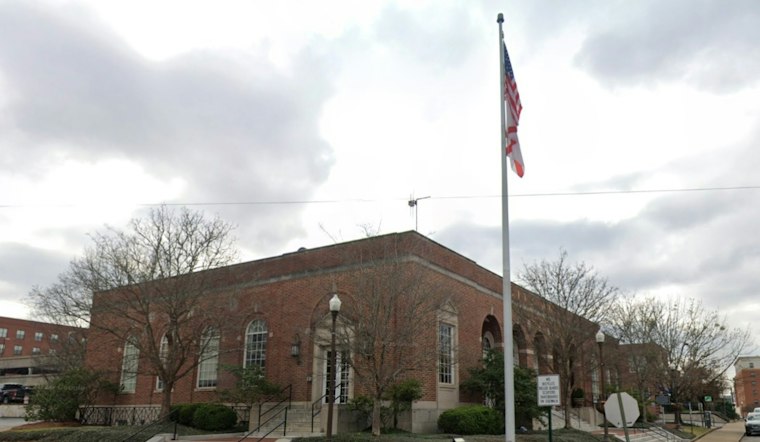
Auburn's push to temporarily halt new lounges downtown collapsed Tuesday night when the city council split 4-4, while Mayor Ron Anders was absent from the meeting because of illness. The measure needed a majority to pass, and the deadlock means the proposed moratorium is dead for now, even as the underlying debate over downtown nightlife and public safety is far from settled.
Council members Connie Fitch-Taylor, Kelley Griswold, Sonny Moreman, and Tommy Dawson voted in favor of the pause, while Beth Witten, Tyler Adams, Bob Parsons, and Max Coblentz voted against it, according to the Opelika Observer. Anders' absence due to illness meant there was no eighth vote available to break the tie, the newspaper reported. As AL.com also reported, the council's 4-4 split on the temporary ban leaves city leaders pivoting to reviewing applications for high-capacity nightspots one at a time instead.
What the Moratorium Would Have Done
Had it passed, the moratorium would have temporarily blocked new conditional use permits for lounges across three downtown zoning districts — Urban Core, Urban Neighborhood-East, and Urban Neighborhood-West — through March 3, 2027, per the Opelika Observer's September reporting. The Urban Core includes the College Edge Overlay District, according to the same account. Under the city's municipal zoning code, an establishment is classified as a lounge rather than a restaurant when it sells alcohol without meeting full-service dining criteria, typically defined as deriving 51% or more of its gross revenue from alcohol sales, the Opelika Observer reported — a distinction that determines which high-capacity nightspots fall under the proposed restrictions.
City officials had introduced the moratorium after the Auburn Public Safety Department reported that downtown lounges generated a disproportionately high volume of police and emergency calls compared with venues elsewhere in the city, the outlet noted. Per AL.com, council members said their concerns centered specifically on high-capacity clubs rather than bars in general.
Council Members Weigh Study Versus Case-by-Case Review
Kelley Griswold said a moratorium would have allowed time to study the issue, according to AL.com's reporting. Beth Witten said the city needs to examine the issue but that she did not favor a moratorium, instead favoring the use of the city's conditional use authority rather than a blanket pause, the outlet reported.
With the moratorium rejected, city leaders will instead rely on the conditional use process for new bar requests, meaning each application will undergo additional review and a specific up-or-down vote, per AL.com. City officials could attach conditions involving operating hours, parking, security, and capacity to individual approvals, the outlet reported. City staff members said they will need up to 60 days to gather research and offer the council other options, and any alternatives must first be approved by the Auburn Planning Commission before returning to the council, according to the same report.
A City Straining Under Growth
The lounge debate lands amid Auburn's growth. AL.com reported Beth Witten's comment that Auburn is a growing community.
The lounge fight is also the latest in a string of growth-management moves by the council. In November 2025, the council enacted a moratorium affecting multi-unit developments and private student dormitories in the Urban Core and Urban Neighborhood-West zones, the Opelika Observer reported. Separately, the council approved a $349,154 contract in September 2026 with law firm White Smith Cousino for a two-year overhaul of the city's zoning ordinance, with downtown and neighborhood districts prioritized first, per the same outlet. The city also renewed a five-year public safety agreement with Auburn University in September 2026, securing nearly $6.7 million for fiscal year 2027 to manage joint law enforcement and emergency operations near campus, the Opelika Observer reported.
The council had originally scheduled the lounge moratorium vote for September 15, 2026, but delayed it by three weeks to hold stakeholder meetings with downtown business owners before taking formal action, according to the Opelika Observer. With this week's deadlock, that same debate over downtown nightspots now heads back through staff research and the planning commission before it can return to the council for another vote.




