

























































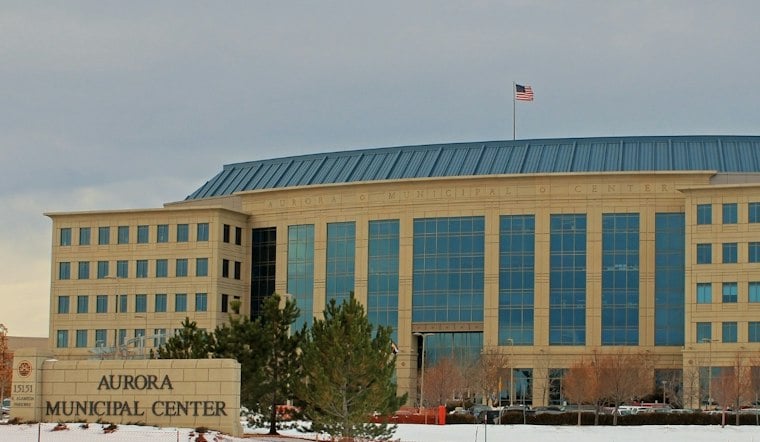
Aurora City Council has changed how new city policy gets made, voting 6-5 to require that proposed policies pass through council committees before they can reach a study session or a regular council meeting. Mayor Mike Coffman cast the tie-breaking vote in favor, pushing through a process that supporters say will slow things down just enough to get them right.
The procedure, approved this week, requires new policy decisions to proceed through committee review before they can land on the council dais, according to Sentinel Colorado. There are exceptions built in — emergencies involving public health or safety, legal concerns, or a significant negative budget impact can allow a policy to skip committee, but only with sign-off from two-thirds of the council.
Before this week's vote, council members had more freedom to move fast. Policies could go straight to study sessions and regular council meetings for a quicker vote without ever sitting in front of a committee first, the outlet's earlier reporting notes. That flexibility is now gone for anything that doesn't meet one of the outlined exceptions.
Who Pushed the Change and Why
Council members Stephanie Hancock and Rob Andrews sponsored the proposal, framing it as a way to make sure legislation gets a real look before lawmakers vote on it. Hancock said the protocol is meant to ensure that legislation is vetted, discussed, amended and brought forward only after the council has reached some consensus. At an Oct. 12 study session, she said the process gives council members a fair chance to raise concerns and propose amendments before anything comes to a final vote.
Andrews supported more public engagement and participation, saying routing policy through committees first gives residents more time to weigh in on controversial topics before decisions are locked in. Coffman, for his part, noted that legislation can still advance from committee to a study session or regular meeting regardless of what the committee actually recommends — the review is required, but it isn't a veto.
Opponents Warn of Gridlock
Five council members voted no — Gianina Horton, Alison Coombs, Alli Jackson, Ruben Medina and Amy Wiles. Horton called the new protocol rigid, pointing to a loss of flexibility for situations that move faster than a committee calendar allows. Coombs raised a different worry — that the change could give a minority of council members the ability to block items from moving forward promptly, since getting an exception now requires a two-thirds vote rather than a simple majority.
The new rule also locks items in once they've cleared the process: a policy that has completed the required committee steps cannot be pulled from an agenda unless its own sponsor agrees to pull it. That provision is meant to stop last-minute maneuvering after a proposal has already gone through the vetting the council just mandated.
A Live Test Case Already Waiting
The council won't have to wait long to see the new process in action. A proposed moratorium on new data centers failed to advance on Oct. 26 after drawing only six votes in favor, short of what it needed, and the mayor indicated the same motion and resolution would return at the Nov. 9 regular meeting, according to The Denver Post. Aurora currently has nine data centers operating within city limits, with five more working through the approvals process, the paper reports.
The city has already taken some regulatory steps in that arena, having passed an ordinance banning evaporative cooling systems in data centers, while officials continue working out setback distances that would separate the facilities from homes and businesses. How — or whether — that moratorium debate gets filtered through the new committee-first requirement will be one of the clearest early tests of how much the process actually slows down contentious policy.
How Committees Fit Into Aurora's Process
The city's own description of its committee system frames the body as a filter rather than a final word: committee recommendations get carried to full council meetings, where the actual decision is made, according to the City of Aurora. That mirrors how neighboring Denver describes its own committee structure, where most laws are debated and shaped before heading to the full council for final votes, per the City and County of Denver. Denver's own council moved to tighten its committee process earlier this year, requiring draft agreements to be shared in advance of committee meetings, the Denver Gazette reported.





