

























































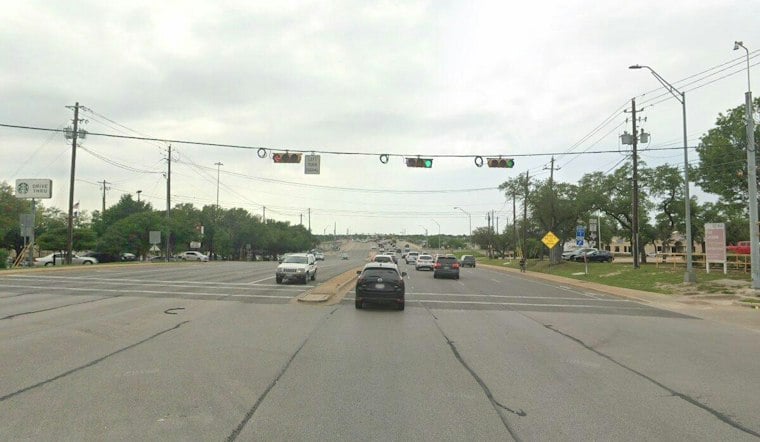
Austin City Council has formally pushed back against a preliminary proposal to convert Parmer Lane into a highway with frontage roads, approving a resolution that opposes the plan and directs city staff to prioritize safety, walking, biking and transit instead. The vote comes after regional planners floated converting the stretch between RM 1431 and MoPac into a four-lane highway, with four frontage road lanes north of SH 45 and two highway lanes plus six frontage road lanes to the south.
The preliminary recommendation, which would expand the corridor into a highway with some elevated lanes and multiple frontage roads, was presented to the Capital Area Metropolitan Planning Organization in September, according to Austin Current. CAMPO has been collaborating with the Texas Department of Transportation on potential improvements for Parmer Lane east of MoPac as part of the CAMPO Project Readiness Program, a joint CAMPO-TxDOT partnership for planning future transportation needs, as detailed by Community Impact. Parmer Lane is one of ten regional corridors the CAMPO Transportation Policy Board adopted for study and future improvement projects back in 2021, per the same report. A corridor study proposal for Parmer Lane was disclosed at a CAMPO Transportation Policy meeting on September 14.
No Final Decision, But Plenty of Local Pushback
Despite the attention the plan has drawn, the recommendation is not final and there is no public timeline for moving it forward, Austin Current reports. That uncertainty hasn't stopped transportation advocacy groups, nearby neighbors and business owners from arguing the highway conversion would make Parmer Lane more dangerous while increasing noise and pollution, according to Community Impact's reporting. The same groups contend the conversion would make walking, biking and public transit more difficult along the corridor.
Council member Krista Laine, whose district includes part of the corridor, said Parmer Lane is home to apartments, offices, shops and childcare centers — the kind of mixed-use density that makes a highway conversion especially fraught for people trying to get around without a car. Laine said she was not confident sufficient analysis had been done to show the current plan best serves corridor residents now or in the future, per the Community Impact article.
Resolution Cites Austin's Mode-Share Goals
The approved resolution states that CAMPO's proposal does not fit Austin's goals to reduce single-occupancy vehicle trips. The city has set a goal of cutting single-occupancy vehicle trips to no more than 50% of all trips by 2039, aiming to reduce traffic congestion and accommodate population growth, according to the resolution as described by Community Impact. Austin's strategic mobility plan separately states that, in its most progressive multimodal scenario with a 50/50 mode share, the city could manage congestion based on forecasted growth by 2039, per the Austin Strategic Mobility Plan.
Jose Loyola said the resolution creates an opportunity to envision a Parmer Lane that connects communities, according to Community Impact's reporting. Miriam Schoenfield said Austin already has more highway lanes per capita than any other large Texas metro, even before accounting for additional lanes planned for I-35 and MoPac, per the same account. An estimate from Connected Central Texas projects the recommended conversion would add 40 to 75 million vehicle miles of driving annually, the article notes.
Safety Concerns at a Deadly Intersection
Safety has become a focal point of the debate. There have been two fatal crashes at the intersection of West Parmer Lane and Ganymede Drive since 2016, according to Austin Current. Short-term recommendations floated alongside the highway proposal include better lighting, more sidewalks, adjusted traffic-signal timing and additional turn lanes, the outlet reports.
Austin City Council's resolution directs city staff to work with CAMPO and TxDOT to encourage plans that incorporate walking paths, bike lanes, transit and other safety elements, per Community Impact. Residents have also organized around the issue, forming the Parmer Lane Alliance of Neighborhoods to address pedestrian safety, dangerous intersections, worsening traffic and limited alternatives to driving, Austin Current reports.
Echoes of an Earlier Widening Plan
The current debate isn't the first time Parmer Lane has faced a major overhaul. Back in 2018, TxDOT proposed widening a 4.4-mile stretch of Parmer Lane between FM 1431 and SH 45 from two lanes in each direction to three, according to CBS Austin. That $45.8 million project, which included turn lanes at select intersections along with sidewalks and bicycle paths connecting to Brushy Creek Regional Trail, was reported as fully funded through a mix of CAMPO's 2040 Regional Transportation Plan and the City of Austin's 2016 Mobility Bond, per CBS Austin's reporting at the time. Construction was estimated to start in 2022, though that projection should not be read as any indication of how the current proposal might proceed.
Earlier public engagement on the broader Parmer Lane corridor study, which runs from MoPac in Austin to Whitestone Boulevard in Cedar Park, had already surfaced many of the same themes now driving council's opposition. Community Impact reported in March that the study would examine prior plans, traffic volumes, crash hotspots, environmental features and concerns raised through public input, with additional environmental analysis planned before any move toward the design phase. Open-house attendees had previously requested wider shoulders, dedicated bike lanes and shared-use paths, along with signal-timing changes, additional turn lanes and lower speeds at existing intersections. Hundreds of public comments had already been collected from two previous open houses held in 2023 and 2024, according to that report, and some respondents flagged concerns that the project could increase noise and air pollution.
For now, the fight over Parmer Lane's future remains unresolved. CAMPO's recommendations are not final, and no public timeline exists for advancing them, leaving council's resolution as a marker of local opposition rather than the final word on what happens next.


