

























































Austin residents will have another opportunity to shape the city's long-range growth blueprint this week, as five open houses kick off Tuesday to gather feedback on an update to the Imagine Austin Comprehensive Plan. The sessions will walk attendees through a draft vision statement and early details of a future land-use map intended to support citywide growth planning.
The plan being revised has been in place since 2012, when Austin City Council first adopted it, and it has been amended several times since, according to Community Impact. Imagine Austin has underpinned city policy on public health, safety, mobility and housing for over a decade, and a 10-year report on the plan recommended an update, per the outlet's reporting. That same report found improved conditions in environmental health, construction and small business development since the plan's adoption, but it also flagged worsening outcomes in affordability, health, transit and cultural investments.
City Council formally initiated the 20-year update via resolution on August 28, 2025, setting a broad winter 2026–spring 2028 timeline, with public review and Council adoption planned for 2027, according to City of Austin legislative records. The effort marks the first comprehensive overhaul of the long-range plan since its original adoption, and it comes after the city budgeted millions of dollars toward the update back in 2023, per Community Impact.
Budget Cuts Shift Heavy Lifting to City Staff
The update process hit a financial snag last November, when City Council voted to reallocate $1.5 million of the $3 million originally set aside for the project, cutting consultant funding in half. The Austin Planning Department says the reduction required city staff to take on primary drafting responsibilities for land-use methodologies rather than relying entirely on outside consultants, a shift documented on the city's Climate Equity Plan dashboard. That means the core challenge for planners now drafting the new Place Types Map and policy framework will be managing regulatory changes with heavier analytical and outreach workloads landing on internal staff through the 2028 adoption date.
The Place Types Map is a citywide tool intended to support consistent land-use planning, according to planning documents cited in a Windsor Park Neighborhood Association report. The map is one component of the comprehensive plan update.
Where and When to Weigh In
Four in-person open houses and one virtual session are scheduled for late October, and all five will cover the same information and activities, per Community Impact. The first open house happens Tuesday from 5:30 to 8:30 p.m. at the Turner-Roberts Recreation Center, 7201 Colony Loop Drive — the same venue that has hosted community meetings tied to the nearby Colony Park development, as Hoodline previously reported.
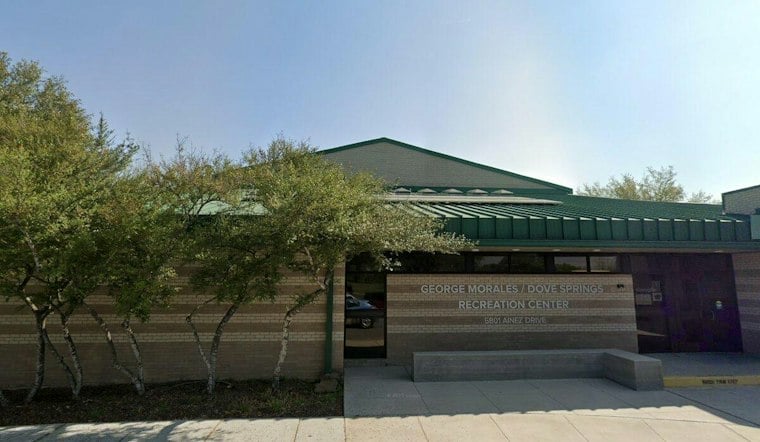
A second session follows Wednesday from 5:30 to 8:30 p.m. at the George Morales Dove Springs Recreation Center, 5801 Ainez Drive. The Conley-Guerrero Senior Activity Center at 808 Nile St. hosts a daytime meeting Saturday from 10 a.m. to 1 p.m., and Doss Elementary School at 7005 Northledge Drive holds an evening session on October 28 from 5:30 to 8:30 p.m. The lone virtual open house runs October 29 from 6 to 7:30 p.m. via Zoom, and an Imagine Austin priorities survey has also opened online this fall for residents who cannot attend in person.
A City That Has Grown Faster Than Almost Anywhere Else
The update arrives amid staggering regional growth. The Austin-Round Rock-San Marcos metro area added 357,000 households between 2014 and 2024, a 51% increase that grew at nearly four times the national rate of 13%, according to National Association of Realtors data reported by Fox Business. Regional households expanded from 703,976 in 2014 to more than 1.06 million in 2024, the outlet found.
That surge in demand has been met with an unusual wave of supply. Austin added 120,000 housing units between 2015 and 2024, a 30% increase that was more than three times the national growth rate of 9%, according to a March 2026 report from The Pew Charitable Trusts. That building boom helped push median rents down to $1,296 by January 2026, placing Austin rents 4% below the national median, per Pew's findings.
Equity Gaps Persist Despite Supply Gains
A City of Austin demographic analysis found that 54% of Black households and 40% of Hispanic households were housing-cost burdened, with an overall rate of 37%, according to the Austin Planning Department. The analysis also covered home-sale prices.
Meanwhile, the city has set a 75% goal for compact growth. Elected officials and planning staff have said extensive public outreach will be needed as the update moves forward and new planning materials take shape, according to Community Impact.
In May 2026, City Council passed Ordinance No. 20260521-056, establishing a Citywide Density Bonus Program with five combining districts that allow up to 60 feet of additional building height in exchange for income-restricted affordable housing, consolidating older frameworks like Density Bonus 90 and Vertical Mixed Use districts, according to Speak Up Austin. City officials evaluating Land Development Code amendments this September also looked at requiring developers near the city's planned 9.8-mile light rail corridor to build affordable units on-site rather than pay fees in lieu — a proposal transit advocates support while developers have raised concerns about project financial viability.
Residents who want more detail on the broader planning process, including future updates as the draft moves toward its 2027 review and 2028 adoption target, can find information through the City of Austin's PublicInput website.





