

























































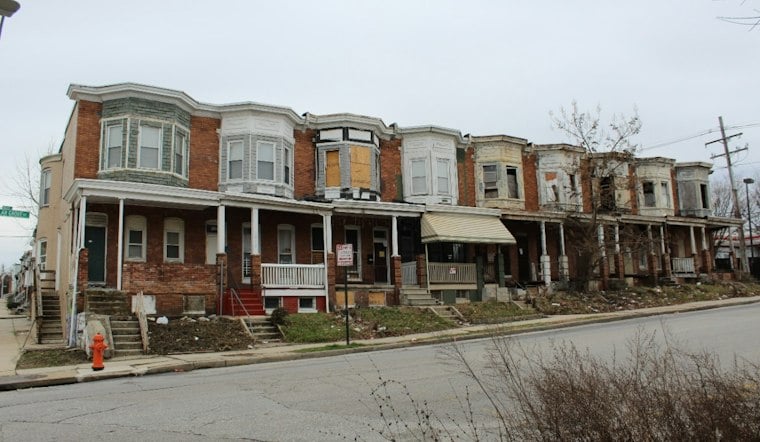
Vernoy Coleman, a 72-year-old Baltimore resident living alone on a fixed income, waited five years for his broken furnace to get fixed before his assistance application was finally approved. His story is becoming more common across the city, where thousands of residents are now waiting for home-repair help from a program that officials say simply cannot keep up with demand.
Baltimore's Housing Rehabilitation and Repairs program has a $5.8 million budget this fiscal year, down $1.1 million from the $6.9 million it had available last fiscal year, according to WBFF. That smaller pot of money arrives even as the need has only grown: last fiscal year the program helped 409 households, but the number of households now seeking assistance exceeds that figure, per the same report.
The Baltimore Department of Housing and Community Development attributed the budget decline to the expiration of American Rescue Plan Act funding, the station reported. The federal pandemic aid had given the city additional money to address home-repair needs, but it was always meant to be temporary — and under federal rules, local governments must fully spend all ARPA-allocated funds by December 31, 2026, according to the U.S. Department of the Treasury. As the temporary money runs out, the city faces a funding gap.
A Backlog Measured in Thousands
The scale of the problem is stark. Baltimore has processed more than 1,500 applications since January, but 4,431 pre-applications still await review, the station's report notes. Eligible low- and moderate-income residents can receive assistance for critical home repairs, including heating, plumbing and roofing — the same category of urgent fix that left Coleman without a working furnace for half a decade.
Average repair projects typically cost between $20,000 and $50,000, meaning the city's current budget could cover roughly 290 households if every project landed at the lower end of that range, though the total served isn't strictly capped at that number since some repairs cost less than $20,000, per the same account. The Baltimore Department of Housing and Community Development did not provide a projected number of households it expects to serve this year, but said it will continue seeking additional funding.
Tammy Hawley, a city housing official, said the program cannot meet every need or serve every household seeking assistance, according to WBFF's report. She said Baltimore will try to maximize its available resources and pursue additional funding opportunities going forward, though she did not specify what those opportunities might look like.
Why Baltimore's Old Housing Stock Makes This Worse
The pressure on Baltimore's repair program is compounded by the age of its housing. According to U.S. Census Bureau American Community Survey data, the city's housing stock is among the oldest in Maryland, with a median construction year of 1947 and more than 67% of residential units built before 1960. The city's repair program addresses critical needs including heating, plumbing and roofing.
The City of Baltimore Department of Housing and Community Development manages intake through its centralized LIGHT Intake and Assessment Unit, where coordinators discuss residents’ needs and connect them with programs.
Baltimore isn't alone in facing this cliff. Senior-focused repair efforts have hit similar walls: in the city's Housing Upgrades to Benefit Seniors program, more than 3,000 older adults applied for health and safety repairs, creating a waitlist of over 2,000 seniors. Maryland's own statewide relief has also run dry — its $248 million Homeowner Assistance Fund closed, with only part of the total allocated to the WholeHome Grant program, which offered up to $10,000 per household.
Nonprofits and City Programs Try to Fill the Gap
Local nonprofits such as the Green & Healthy Homes Initiative and St. Ambrose Housing Aid Center are partners in the city's LIGHT network. Still, the backlog of applications at city agencies remains.
Baltimore announced $100 million in ARPA funding.
Baltimore's situation mirrors a national pattern as ARPA money winds down. Houston paused its routine home repair assistance in September due to the exhaustion of federal pandemic funds, Hoodline previously reported. For now, Baltimore's housing department says it must determine how many residents it can help with the money it has left — and how many, like Coleman once was, will simply keep waiting.



