

























































A Baton Rouge nonprofit is planning a village of 24 tiny homes meant to give people leaving its shelter program a stepping stone toward independent living. St. Vincent de Paul says each 144-square-foot unit will include a kitchenette, bathroom and living space, with construction set to begin in January 2027 and residents expected to move in by early spring.
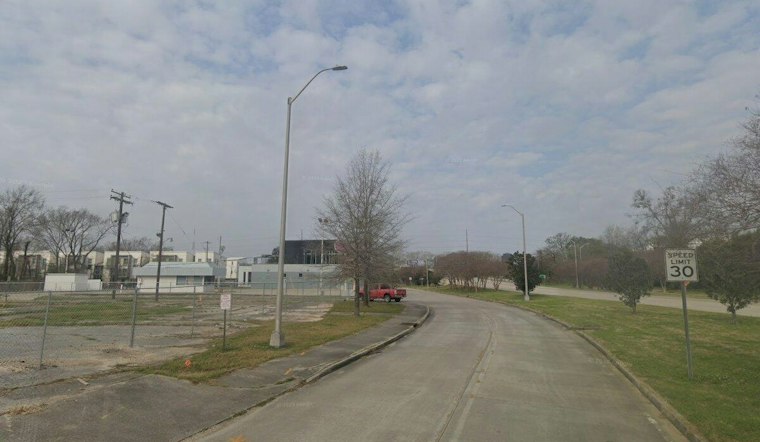
The project, called Divine Providence Village, will sit at 1740 North Boulevard on land owned by St. Vincent de Paul, just two blocks from the organization's main campus, according to Yahoo News. The village is designed for men and women who have completed the nonprofit's shelter program, offering a bridge between emergency shelter and permanent housing while they work toward stability, per the same report. As first reported by WBRZ, St. Vincent de Paul aims to build all 24 units within three years.
Each resident will be paired with a dedicated case manager, and together they will develop a plan for long-term success, WBRZ reports. Program participation is expected to last six to 12 months, during which residents will work toward employment, savings and permanent housing, the outlet notes. The village will also include a community space intended for events and family visits.
Sponsorship Dollars and a Housing Shortage
Sponsoring one of the tiny homes costs $29,000, the article notes. The effort comes as Baton Rouge grapples with a persistent shortage of affordable housing — a problem a regional vice president for Start Corporation linked directly to local homelessness, telling WAFB, “There is not enough affordable housing in Baton Rouge or anywhere in the country.”
That shortage shows up starkly in the region's annual homeless count. Baton Rouge and surrounding areas have more than 400 homeless people a night, according to organizers cited by WAFB, and that Point-in-Time data is used to shape policy and direct funding toward programs like shelters and transitional housing.
How Tiny Home Villages Have Worked Elsewhere
Divine Providence Village would join a growing list of tiny-home communities built around the country to house people experiencing homelessness, though the model's track record is mixed. The Urban Institute has found these communities have taken the form of both permanent and transitional housing, with some following a Housing First approach — but the organization also cautions that the efficacy of tiny homes as permanent supportive housing “has not been extensively evaluated.”
Quixote Village in Olympia, Washington, offers one example: a permanent supportive-housing community with 144-square-foot homes, a large community building, case management, quarterly nursing visits, life-skills classes and nutrition support, according to the Urban Institute's research. In Champaign, Illinois, Hope Village similarly houses 24 tiny homes for people experiencing chronic homelessness, with a village center providing behavioral-health and well-being resources, as reported by WAND.
Other communities have taken a larger scale. The Bridge in Bloomington, Illinois, is a fully enclosed campus with a bathhouse and community center housing 48 tiny sleeping cabins that can accommodate 56 adults, a project that cost $2.7 million to build, according to NPR. The Urban Institute's research also notes that single-site supportive housing models can foster community among tenants and reduce barriers to service delivery, even as they sometimes draw more neighborhood opposition than scattered-site approaches.
For now, Divine Providence Village remains in the planning stage, with groundbreaking still months away. St. Vincent de Paul's goal is for the first residents to walk into their own 144-square-foot homes by early spring 2027, carrying with them a case manager's plan and a chance to rebuild their lives just steps from where their recovery began.





