

























































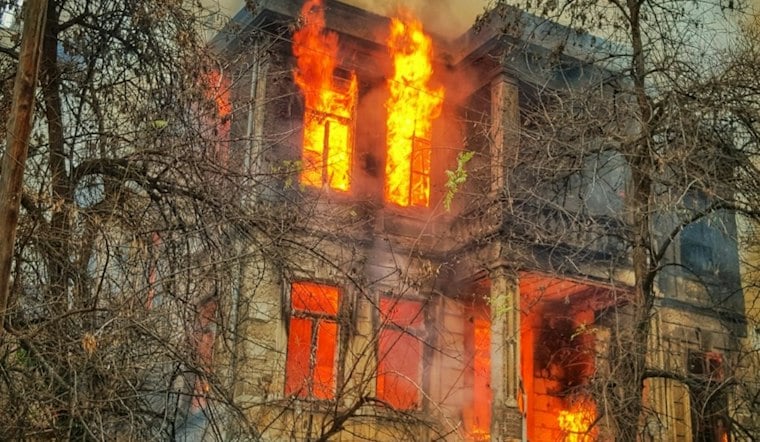
A garage fire at a home in the 4200 block of Flamingo Lane in Beaumont sent police and firefighters scrambling Tuesday evening, after a man allegedly set the structure ablaze and the situation was reported as a possible barricade. The fire was called in around 7:30 p.m., with crews evacuating neighboring homes as a precaution while the scene remained active.
Assistant Fire Chief Scott Wheat told KFDM that the Beaumont Police Department and Beaumont Fire Department were responding to the home where a man allegedly set the garage on fire. Wheat said the call came in as an active structure fire with a possible barricaded suspect, a detail that shaped how crews approached the property.
Evacuations Spread to Three Nearby Homes
The fire broke out at a residence off West Virginia Street, just west of the Southern Pacific railroad tracks, according to the outlet's report. As flames spread through the garage, firefighters moved to evacuate the homes on either side of the burning structure, along with a residence on Cadillac Lane situated directly behind it.
The scope of the response — both police and fire crews converging on a single residential block — reflected the uncertainty officials faced in the fire's early stages. With a possible barricaded suspect in play alongside an active fire, responders had to balance the danger of the blaze itself against the added risk of confronting someone who might not come out voluntarily.
The incident is part of a much broader residential-fire problem, though national data cannot establish how this Beaumont fire began. The U.S. Fire Administration estimated 343,000 residential-building fires nationwide in 2024; 4.7% were classified as intentional. That figure offers context for the allegation in this case, but it does not indicate whether investigators have determined a cause or whether anyone will face charges. The federal fire estimates include fires across the country, not just those involving suspected arson.
Key Details Still Unconfirmed
Much about the incident remained unclear as crews worked the scene. The man's identity, his age, and whether he was taken into custody had not been disclosed. It was also not confirmed whether the suspect was in fact barricaded or armed inside the home.
Texas law makes intent and the circumstances of a fire central to an arson case: the statute covers starting a fire with intent to damage certain buildings or property under specified conditions. It generally classifies that offense as a second-degree felony, with first-degree penalties if someone is injured or killed, or if the intended target was a habitation or place of assembly or worship. The law defines habitation to include a structure connected to or appurtenant to a residence, but the allegation alone does not establish a charge or how the statute would apply here. Texas Penal Code Chapter 28 sets out those provisions.
No information had been released on injuries, fatalities, or the extent of property damage beyond the initial allegation that the garage itself had been set on fire. The fire's ultimate outcome — whether it was contained to the garage or spread further into the home — had not been confirmed as of the initial report.





