

























































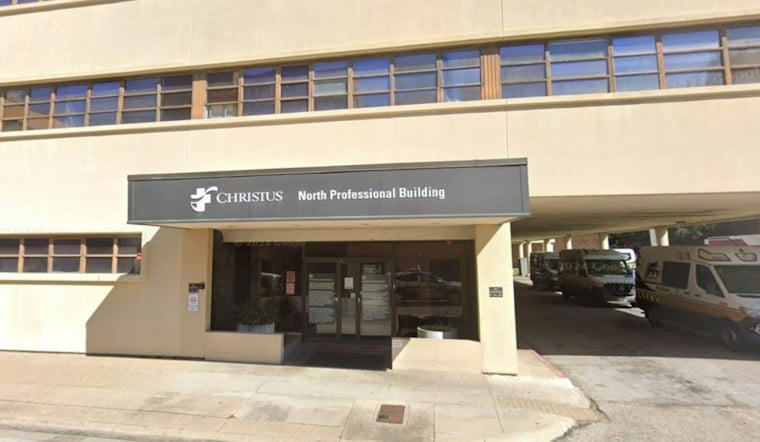
Women in Beaumont and across Southeast Texas now have access to an expanded slate of healthcare services following a new partnership between Diana Health, CHRISTUS Health and Southeast Texas OB/GYN Associates. The collaboration brings mental health services, nutrition consulting, lifestyle support and educational classes into a region where maternal care gaps have long been a concern, pairing OB-GYN and midwifery professionals directly with patients.
The announcement, first reported by the Beaumont Enterprise, marks Diana Health's 10th location overall and only its second in Texas. Founded in 2020 by CEO Kate Condliffe, the venture-backed women's health company has raised $101 million in total funding, including a $55 million Series C round led by HealthQuest Capital in September 2025 to scale its hospital-partnered network across Tennessee, Florida and Texas, according to Fierce Healthcare. In Beaumont, the company is providing inpatient obstetric hospitalist coverage alongside collaborative midwife-led clinical care in direct partnership with CHRISTUS Southeast Texas St. Elizabeth, per Diana Health.
A Decades-Old Local Practice Joins a National Platform
Southeast Texas OB/GYN Associates has provided women's healthcare in the region for more than 32 years, maintaining its primary practice at 755 North 11th Street in Beaumont with complete outpatient obstetrics, gynecology and nurse-midwifery care. Dr. David Smith, president of Southeast Texas OB/GYN Associates, said the partnership allows the practice to build on that commitment and expand its offerings. Patients will continue receiving care from the same local team, including physicians Dr. David Smith and Dr. Ruben Victores, certified nurse-midwives Emily Streeter, Ashleigh Clark and Kaitlyn Read, women's health nurse practitioner Brooke Kelley, and family nurse practitioners Meryl Gardner and Nichole Tyler.
Kate Condliffe, CEO and co-founder of Diana Health, said Diana Health, Southeast Texas OB/GYN Associates and CHRISTUS Health share a commitment to women's health. Diana Health's model supports patients from adolescence through pregnancy, postpartum and menopause, pairing certified nurse-midwives with OB-GYN physicians for integrated care, the company says.
Beaumont's Role as a Regional Maternity Hub
The partnership lands in a region where CHRISTUS Southeast Texas St. Elizabeth already anchors maternal and newborn care. The hospital operates a 431-bed acute care center in Beaumont that houses a Level III Neonatal Intensive Care Unit and serves as the region's primary Level III Trauma Center, according to CHRISTUS Health. The hospital has also participated in the Texas Ten Step Program and earned the International Board of Lactation Consultant Care Award seven times for its inpatient and outpatient breastfeeding support, per True Joy Birthing.
That infrastructure matters beyond Beaumont's city limits. Rural obstetrics unit closures in Deep East Texas since 2019 have created what The Texas Tribune calls “maternity care deserts,” forcing pregnant women in neighboring rural counties to travel more than an hour to Beaumont to give birth. The newspaper's reporting positions Beaumont facilities as essential regional health hubs serving a multi-county population.
Local Numbers Behind the Push
A community health needs assessment published by CHRISTUS Southeast Texas St. Elizabeth found that approximately 30% of pregnant women in Jefferson County do not receive prenatal care during their first trimester, compared to fewer than 20% nationally. The same assessment reported that infant mortality in Jefferson County occurs at a rate of 7.1 deaths per 1,000 live births, exceeding the statewide Texas average of 6.2 deaths per 1,000 live births, according to local hospital system reporting.
Those local gaps mirror a national strain on obstetric capacity. The United States faces a projected shortage of up to 22,000 obstetricians by 2050, which is accelerating health systems' adoption of collaborative midwife-led care models to expand clinical capacity, according to reporting by Femtech Insider. Such models allow certified nurse-midwives to manage low-risk births while freeing physicians to handle complex surgical cases.
Public Health Efforts Continue Alongside the New Partnership
Private clinical partnerships are not the only intervention underway in the county. The Texas Department of State Health Services engaged Jefferson County in infant health initiatives in 2025, distributing safe-sleep sacks and training community ambassadors to help reduce sleep-related infant deaths. That state-level work is running in parallel with the new hospital and practice partnership, reflecting a broader push from multiple directions to address maternal and infant health outcomes in Southeast Texas.





