

























































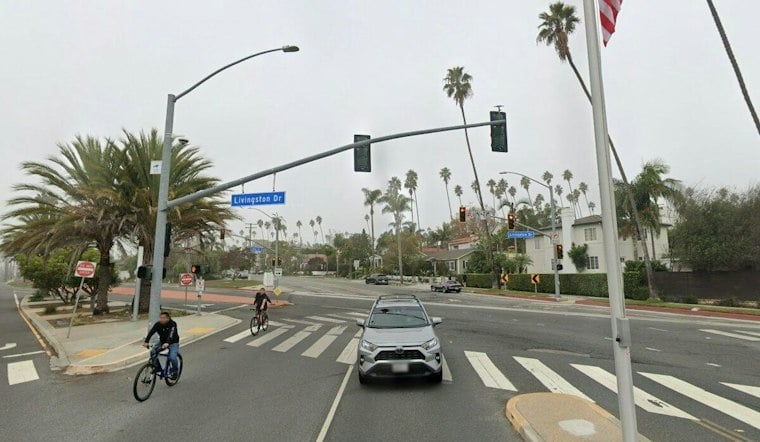
A pressurized sewer line burst near Livingston Drive and Second Street in Belmont Shore on Friday evening, spilling 27,000 gallons of sewage and forcing Long Beach to close coastal waters across the entire city. The break sent wastewater into a drainage system that empties directly into the ocean, prompting coastal water closures while water quality was monitored.
The city's health department attributed the spill to a force-main break in a pressurized wastewater-conveyance pipe, according to the Long Beach Post. Officials said the cause of the pipe break was not known as of Friday's statement. Long Beach Utilities managed to stop the active spill by rerouting sewage around the damaged section of pipe and is now working on emergency repairs to the line.
The city has also brought in a contractor to begin cleaning up what spilled, the Long Beach Post reported. Because that wastewater entered a drainage path that ultimately leads to the ocean, the city closed coastal waters throughout Long Beach as a precaution while the situation is addressed.
Why the Ocean Closes So Fast
Why the Ocean Closes So Fast The quick, citywide closure isn't a judgment call — it's the law. Under guidance from the California State Water Resources Control Board, a beach must remain closed when sewage reaches the coast until testing shows the water meets safety standards. The board also distinguishes a closure from a simple posting: a posted warning tells people that contact with the water may cause illness, while a full closure applies when sewage reaches the ocean.
Belmont Shore's geography makes it especially vulnerable to these spills, even ones that don't start anywhere nearby. The Los Angeles and San Gabriel rivers can carry debris and pollutants toward the coast, which is capable of pushing bacteria levels in Long Beach's water past safe limits, per a separate Long Beach Post report on the city's broader sewage problem. That report notes that beach closures tied to raw sewage are a recurring headache for Long Beach specifically because the city sits downstream from much of Los Angeles County.
A Familiar Pattern Along the Coast
Friday's spill is the latest entry in a long run of sewage trouble, but it originated within Long Beach. In March 2025, a sewer line overflow in Rowland Heights — caused by grease buildup — sent roughly 10,500 gallons of sewage toward the coast through the San Gabriel River, temporarily closing every open coastal swimming area in Long Beach, according to NBC Los Angeles. More than a year earlier, in January 2024, about 15,000 gallons of sewage spilled into the Rubio Wash in San Gabriel after a grease blockage in a sewer main, then traveled roughly 25 miles down the Los Angeles River before reaching the Pacific, as reported by the Press-Telegram. That incident shut down every beach west of Belmont Shore, including 5th Place, 10th Place, Molino Avenue and Coronado Avenue, until further notice.
Those upstream incidents add up. Long Beach had to close its own coastline for a combined 63 days in the five years preceding the Long Beach Post's September 27, 2023 report because of spills that originated somewhere else in the county. The Los Angeles County Sanitation Districts is reportedly taking steps to improve routine maintenance of its regional sewer system, and the same report notes that better data-sharing between agencies could help assess damage faster and get beaches reopened sooner after a spill.
Money on the Table, and Possibly in Court
Long Beach isn't approaching this problem empty-handed. The city has received more than $37 million through the countywide Measure W tax for clean-water projects and is currently building LB-MUST, a $30 million municipal stormwater treatment plant, per the Long Beach Post. Separately, the city has signaled it could pursue legal action against upstream polluters to recoup costs tied to preventing and cleaning up sewage spills, though no such action was described in connection with Friday's break.
For now, the Livingston Drive break remains an isolated, in-city incident rather than one of the upstream spills that have plagued Long Beach's coastline in recent years. Crews are continuing repair work on the damaged line while the contractor works through cleanup, and the coastal closure will remain in place under state rules until testing confirms the water meets safety standards.





