

























































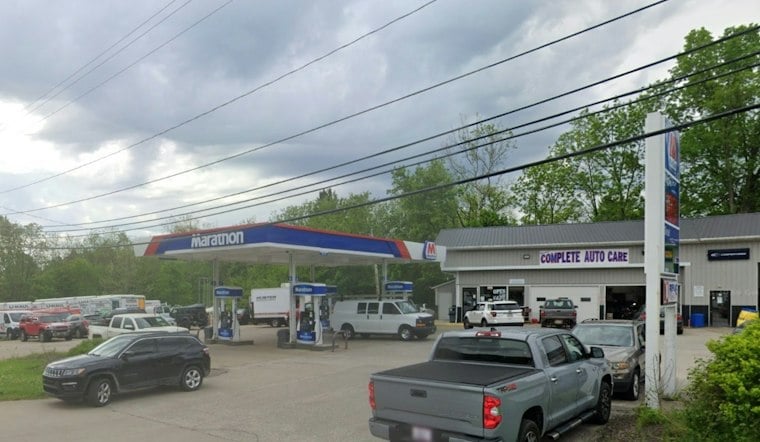
An Ingleside Drive resident in Berea has lost more than $80,000 after a scammer posing as a U.S. Department of the Treasury official convinced him to drain his bank accounts, buy tens of thousands of dollars in gold coins, and hand the gold to a stranger at a gas station in Columbia Station. The elaborate con unfolded over several days in September and ended with the resident personally delivering the gold to a man who flashed fake credentials and knew a password only the scammer should have had.
A $250 Link Started It All
According to Cleveland.com, the resident told police on Sept. 22 that a link seemingly from Apple had appeared on his phone earlier that month, warning that he and his wife were being charged $250. The link included a phone number, and when the resident called it, he reached someone pretending to be a Treasury Department official. That first call set off a scheme that would eventually drain his savings.
The scammer told the resident that a Mexican drug cartel had stolen his identity and used it to open several bank accounts for laundering drug-sale money, the outlet's report notes. To back up the claim, the scammer emailed documents bearing what looked like the official Treasury Department seal, lending a veneer of legitimacy to an increasingly outlandish story.
Checks, Then Gold Coins
The fake official instructed the resident that he needed to liquidate all of his bank accounts, convert the money into gold, and send the gold to the Treasury Department to clear his name, per the same report. The resident withdrew three checks totaling $38,500 and mailed them to an address the scammer provided. When the scammer said he needed even more money in the form of gold, the resident went to Strongsville Bullion & Coin Exchange and purchased $46,448 in gold coins.
At one point, the resident grew suspicious enough to check the scammer's phone number himself and discovered it belonged to a woman, the report states. When he raised the discrepancy, the scammer explained it away by claiming the Treasury Department uses other people's phone numbers to prevent fraud — an explanation the resident apparently accepted at the time.
A Handoff at a Columbia Station Gas Station
The scammer said a federal agent would meet the resident in person to collect the gold, and supplied a password along with a description of the agent's vehicle so the resident could identify him. The meeting was set for the morning of Sept. 12 at a Marathon station at 24497 Sprague Road in Columbia Station. There, the resident handed over the gold to a man who flashed false credentials and repeated the password back to him, convincing the resident the handoff was legitimate.
A Pattern Federal Agencies Have Flagged
The Berea case fits a scheme federal watchdogs have been warning about for months. The Federal Trade Commission says victims often receive a message, email or call claiming their bank account or computer was hacked, or that their identity is linked to crimes — and the agency's blunt advice is that real government agents are not asking anyone to buy and deliver gold bars. The FBI's Internet Crime Complaint Center has separately warned that scammers increasingly direct victims to authenticate handoffs with couriers using a passcode, per IC3.gov, promising the assets will be safeguarded — only for victims to never hear from the scammer again. The bureau's 2025 annual report tallied roughly 725 gold-courier complaints nationwide totaling $311.8 million in losses, according to the IC3 annual report.
The U.S. Department of the Treasury itself has acknowledged the problem, stating plainly that there are numerous telephone and email scams in which individuals claim to be Treasury employees, according to the agency's own fraud-reporting page.
Similar Scams Have Hit Ohio Before
The Berea case is not an isolated one in the region. A 78-year-old Westlake woman was scammed out of nearly $200,000 in gold earlier this year, a case that led to two arrests, Cleveland.com reported in March. Beyond Ohio, Pennsylvania State Police say a multistate fraud scheme using the same gold-courier playbook has already stolen about $6.5 million and may have additional victims, per moneywise.com, which also reported that a 74-year-old Pennsylvania woman handed over about 43 ounces of gold worth roughly $200,000 after already giving scammers $59,000 in cash.




