

























































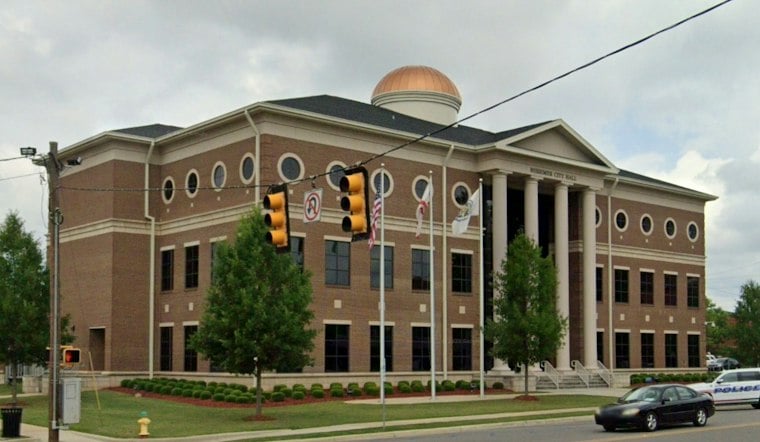
Bessemer has sent a letter seeking to halt construction of a massive planned data center even as homeowners near the site are being approached about selling their properties, with one resident saying she was given a December 18 deadline during discussions about a possible sale of the home she's lived in for more than three decades.
Tina Mann has lived on Rock Mountain Lake Road since she and her husband built their home there in 1992, according to reporting from WBMA/ABC 33/40. The couple has opposed the data center project before the Bessemer City Council for roughly two years, and now they're weighing whether to sell as they confront what Mann describes as a December 18 deadline she was given during sale discussions.
The pressure comes from a real estate agent named Jessica Buckmaster, a qualifying broker with BPG at Real Broker LLC, who has approached several homeowners about purchasing their properties. According to homeowners who spoke with the outlet, Buckmaster identified QTS as the company she represented, though ABC 33/40 says it has not independently verified whether Buckmaster actually represents QTS. Buckmaster reportedly declined to provide further information to others, citing a client confidentiality agreement.
A Cease Letter, but Construction Continues
A Cease Letter, but Construction Continues Newly sworn-in Bessemer Mayor Louise Alexander confirmed the city sent a cease letter concerning activity near the planned data center, according to the station's reporting. Despite the letter, construction near the site was continuing after Tuesday's city council meeting, the report notes.
Alexander said the city prioritizes residents living near the development and has helped arrange a meeting with attorneys so homeowners can discuss their options. She added that some residents had already agreed to accept offered contracts, while the city asked others to wait while officials explore ways to intervene. Bessemer leaders have scheduled a meeting with QTS for Friday, according to Alexander, who said the city had received a non-disclosure agreement from QTS but no contract, and that Bessemer had not received money or fee waivers from the company. The city is also arranging a separate opportunity for residents to take part in discussions with developers directly.
What Exactly Is Being Built — and How Big
The project, known publicly as Project Marvel, has been described in dramatically different terms across coverage. QTS confirmed in July that it is pursuing plans for a data center campus on the Project Marvel site, according to WBRC. Inside Climate News described a 4.5-million-square-foot proposal. But Data Center Dynamics has described a separate 18-building, 700-acre campus near Rock Mountain Lake Road planned by Logistic Land Investments LLC.
On its website, QTS says it is developing a data center facility in the Bessemer area and that its plans include erosion and stormwater controls, protection of creeks and wetlands, and efforts to minimize tree removal. The company also states that its closed-loop cooling system would not consume water for cooling once operational. QTS had not responded to ABC 33/40's request for comment by publication, and the I-Team says it requested an interview and further details from the company and will update the story when QTS responds.
Power, Water and Environmental Stakes
The scale of the project's resource demands has drawn scrutiny well beyond Bessemer's city limits. At total buildout, the proposed campus would consume around 1,200 megawatts of energy, according to Inside Climate News. The outlet also reported that the developer requested a supply of 2 million gallons of water per day, an amount the Warrior River Water Authority said it could not provide without significant upgrades. Construction would also require clearcutting more than 100 acres of land and could threaten endangered species, per the same report.
The Alabama Reflector has noted that the developer had not determined the project's cooling method because an end user had not yet been secured, leaving firm water-use estimates unavailable. For comparison, WBRC reported that QTS's existing Fayetteville, Georgia, campus exceeds 600 acres.
County Jurisdiction and Homeowner Offers
Bessemer's City Council voted October 7 to amend city zoning ordinances allowing data centers on industrial-zoned land, WBRC reported. That same reporting detailed a warning from the Alabama Department of Transportation that the developers' site plans conflicted with longstanding plans for the Northern Beltline, with ALDOT asking the developers to revise their site planning and design to avoid the conflict.
Jefferson County Commissioner Jimmie Stephens has said he has spoken with four homeowners who were approached about selling, two of whom described their offers as fair. Because the data center is being developed within Bessemer city limits, the county's authority over the project itself is limited, but Stephens said he plans to examine how construction could affect neighboring unincorporated communities and where county jurisdiction applies. He indicated that access routes and ordinance matters touching county land will be handled on the county's terms, and that he would oppose development on any portion of the property requiring Jefferson County Commission approval. The county is also considering protections for residents in unincorporated areas, including a proposed 1,000-foot vegetative buffer between homes and the development, along with safeguards meant to prevent taxpayer dollars from being spent on incentives for the project.
Opposition Beyond Bessemer
Bessemer's standoff is unfolding against the backdrop of a rapid statewide buildout. Alabama now has more than a dozen data-center developments proposed or under construction, with industry investment surpassing $63 billion, according to al.com's October reporting. A separate al.com report from August counted at least 12 operating data centers in the state and 11 more proposed or under construction. The same outlet has reported that companies are increasingly drawn to rural Alabama communities because of available land, power infrastructure and limited local regulatory capacity, with at least nine Alabama cities and one county having already passed data-center moratoria. Statewide, al.com reports that at least 17 Alabama cities have joined roughly 130 communities nationwide that have considered or adopted temporary bans on the facilities.
Bessemer resident Heidi Colpo has said the project has simply been too close to Bessemer and nearby residents.



