

























































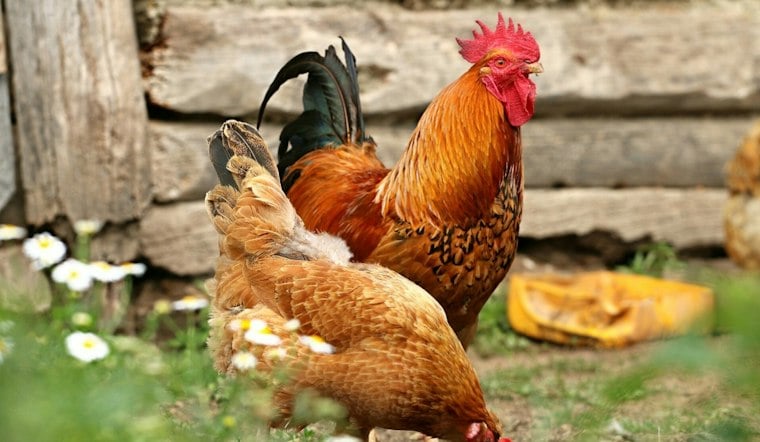
A bird-flu case has been reported in a Sacramento County backyard poultry flock.
A Redding Record Searchlight video discusses what residents and flock owners need to know as bird flu returns to California.
Wild Birds and Poultry
Fall migration can increase the risk of avian influenza spreading to domestic birds. Wild waterfowl can carry the virus, and wild birds are a source of infection for domestic flocks.
Organic certification typically requires outdoor access for birds. In a June 1, 2026 update to organic certifiers, the California Department of Food and Agriculture said poultry could have outdoor access with proper biosecurity measures in place. That update describes the agency’s position on that date; it does not establish which measures applied during the 2024–25 response.
Public Health Risk
The overall public-health risk from bird flu is considered low.
The CDC has described the overall public-health risk as low, and no sustained person-to-person transmission has been identified. California declared a State of Emergency in December 2024 in response to the ongoing outbreak.
Cats and Bird Flu
Sacramento County Public Health has recommended that flock owners and handlers wear N95 masks, gloves, and eye protection when interacting with potentially exposed birds, self-monitor for symptoms for 10 days after exposure, and get seasonal flu vaccinations to reduce the risk of co-infection. Those precautions matter most for people in direct contact with sick or dead birds, since personal protective equipment reduces respiratory and ocular exposure.
Outbreak timeline and exposure guidance
The California Department of Food and Agriculture says the nationwide H5N1 outbreak began in poultry in 2022 and was first detected in U.S. dairy cattle in March 2024. These milestones describe the outbreak’s timeline, but do not provide detection counts for poultry or dairy herds. For people exposed to animals suspected of avian influenza infection, the World Health Organization, citing CDC guidance, says monitoring for symptoms should continue for up to 10 days after the last exposure.
Cats have become ill after drinking raw milk.
Resources for Small Flock Owners
Backyard flock owners looking to get ahead of the problem have options. The California Poultry Federation administers biosecurity programs offering subsidized and independent testing for small flocks of 100 birds or fewer, screening for both Pullorum-Typhoid and avian influenza, since backyard setups often lack the commercial-grade biosecurity barriers found on larger operations.
State regulations also require California poultry owners to report any suspicious or sudden bird sickness and mortality immediately to the CDFA Sick Bird Hotline at 1-866-922-2473, allowing state veterinarians to isolate infected sites before the disease can spread further. The Sacramento County case follows a string of detections across the country this fall, including Washington's first cattle-linked cases in Yakima County, part of a national tracking picture that has placed California at the top of the list with 773 infected dairy herds overall.




