

























































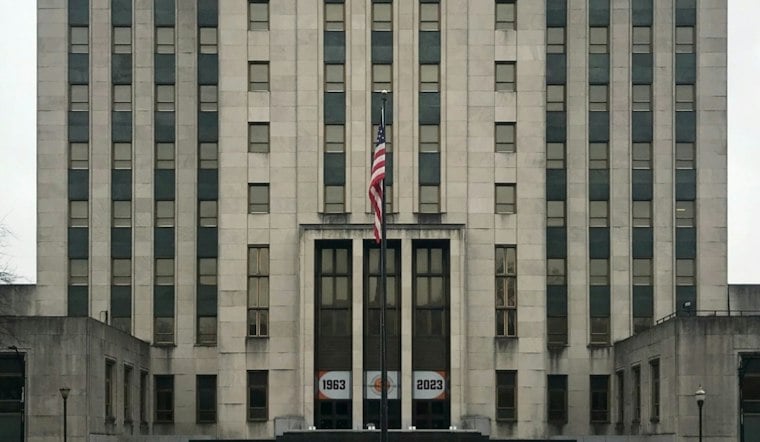
Birmingham City Council has approved three contracts totaling up to $699,155 to kick-start planning for eight walkable neighborhood centers, the latest step in a broader push to revive 12 historic commercial districts across the city. The money will pay consultants to study everything from sidewalks to future development sites in neighborhoods that once thrived as self-contained, walkable communities before decades of car-centric growth reshaped them.
The council action, approved this week, directs funding toward Interface Studios, Wilbron Industries and Tunnell, Spangler & Associates, according to BirminghamWatch. Wilbron Industries will receive up to $99,600, while Interface Studios and Tunnell, Spangler & Associates will each collect just under $300,000, per the outlet's reporting. The funding comes from a $2 million investment previously approved out of the city's budget surplus, according to The Birmingham Times.
City leaders eventually want all 12 target areas folded into what they're calling the Urban Village Initiative, BirminghamWatch reports. Four of those areas — Woodlawn, northwest Downtown, Huffman and Smithfield — already have plans or planning processes underway and won't need outside consultants, the outlet notes. Huffman's plan was completed back in 2024, per the Birmingham Times.
Eight Neighborhoods Still Up For Consultant-Led Planning
The eight remaining areas being eyed for urban village treatment are Five Points West, East Lake, Eastwood, Ensley, Five Points South, Titusville, an area near Lawson State Community College, and possibly North Birmingham, according to the BirminghamWatch report. The newly hired firms will draft recommendations for each, though the public record reviewed does not specify which firm is assigned to which neighborhood.
James Fowler, Birmingham's chief of infrastructure, framed the effort as an attempt to restore what the city has lost. “We need to recreate and strengthen and stabilize those,” Fowler said, referring to the historic walkable centers that once anchored many of these neighborhoods, per the same BirminghamWatch report. The initiative is intended to produce what city officials describe as vibrant, high-quality walkable neighborhood centers that function as livable community resources.
What The Plans Will Actually Study
According to the Birmingham Times, consultants will put together recommendations for short-, medium- and long-term projects at each site. Potential improvements span sidewalk and crossing upgrades, bicycle and transit infrastructure, streetscape enhancements, new public plazas and strategies for future development sites. The plans are also expected to flag low-cost, short-term projects that let the city test ideas before committing to bigger investments.
Every planning site is expected to include community meetings along with outreach to neighborhood leaders, business owners and other stakeholders, the Birmingham Times reports. The process will also produce site renderings and wrap up with a formal presentation to city staff. Officials say the broader effort remains in its early planning and visioning phase, and the full neighborhood plans are expected to take about a year to complete, though smaller projects could break ground sooner, per the same outlet.
A Longer History Of Chasing Walkability
This isn't Birmingham's first swing at rebuilding walkable infrastructure. Officials have previously talked about creating more walkable urban centers tied to fixed-route public transportation, and the Birmingham Times has reported that microtransit service is expanding across the city as an alternative to driving. The city's own messaging has leaned into nostalgia for an era when residents could walk to shops, schools and work, with streetcars linking neighborhoods to downtown, according to the City of Birmingham.
Not every past redevelopment push in these neighborhoods has gone smoothly. Smithfield Court — one of the four areas already covered by existing plans — was previously the centerpiece of a revitalization effort tied to a $50 million federal grant, as AL.com reported in 2024. Whether the new round of planning dollars translates into built sidewalks, plazas and transit stops across the remaining eight neighborhoods will depend on funding decisions still to come after the yearlong planning process wraps up.





