

























































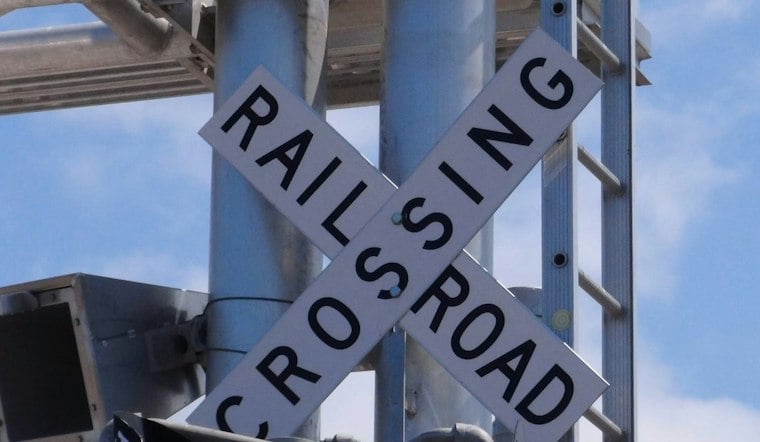
Birmingham, Trussville and Norfolk Southern have selected Kimley-Horn to lead design and environmental review work on a long-planned effort to stop freight trains from choking off traffic between Woodlawn and Trussville. The project, known as REDESIGN Alabama, calls for closing nine rail crossings and rerouting drivers to new grade-separated crossings instead.
The plan has been years in the making. As reported by ABC 33/40, REDESIGN Alabama was first announced in 2023 to address freight trains blocking vehicle traffic and concerns about emergency response and residents’ access to their own neighborhoods. Blocked crossings have long been a sore spot in the area, with officials saying they have created frustrations for residents and real concerns for public safety and emergency response, according to WVTM 13.
The Regional Planning Commission of Greater Birmingham has similarly described blocked rail crossings as a source of safety, equity, environmental and economic challenges for Woodlawn and Trussville residents. That framing helps explain why the fix on the table is so sweeping: it is not just about a single intersection, but about reshaping how freight trains move through the entire corridor.
What the Project Will Actually Build
REDESIGN Alabama’s blueprint includes an underpass at Brussels Avenue and a pedestrian underpass near 59th Street, according to the ABC 33/40 report. It also calls for a bridge at Mary Taylor Road, an extension of Fifth Avenue South to Brussels Avenue, and a sidewalk running along Fifth Avenue. The same report notes the plan is expected to create a quieter environment for the Harris Homes and Woodlawn neighborhoods, since eliminating several at-grade crossings would mean train horns are no longer required along that stretch of track.
A key piece of the fix sits on the Trussville side. Norfolk Southern plans to extend a siding track roughly two miles into its Norris Yard, letting trains entering or leaving the yard do so without blocking motorists at street level, per the ABC 33/40 report. That siding extension, combined with the new underpasses and bridge, is meant to keep most train movements away from major public road crossings altogether.
Who's Paying, and What's Still Unfunded
The design and environmental work is riding on an $8 million federal Consolidated Rail Infrastructure and Safety Improvements grant awarded in 2022, reported by CBS 42. Covering that grant's required local match, Norfolk Southern is contributing $1.5 million, with Birmingham and Trussville splitting the remainder, according to the ABC 33/40 report.
Construction itself remains unfunded. CBS 42's report put the total project cost at roughly $150 million, with construction funding still not secured. Officials have said there is no construction timeline yet because a funding source still needs to be identified, according to a separate ABC 33/40 report.
Timelines for the design phase itself have varied depending on who is describing them. The ABC 33/40 report states design and environmental review work is expected to take about two years, while CBS 42 has reported that design and engineering for the currently funded portion could take three to five years. An earlier estimate from ABC 33/40, tied to the project's 2023 announcement, put preliminary planning work at 24 to 36 months.
What Comes After Design
Once design and environmental review are complete, Birmingham, Trussville and their partners plan to seek federal and other funding to move the project into construction, according to the ABC 33/40 report. If that funding materializes, officials expect the finished project to reduce blocked crossings and give Woodlawn residents more reliable access in and out of their neighborhood.
For now, the selection of Kimley-Horn marks the first concrete step toward turning years of planning documents into an actual design. Whether the broader $150 million project ever reaches a construction crew still depends on dollars that, as of this report, no one has yet identified.





