

























































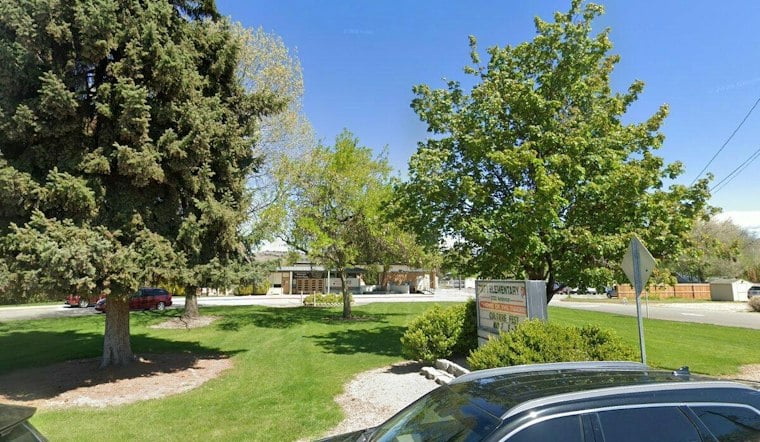
Northwest Boise parents are bracing for the possibility that their children could be rerouted away from the schools that shaped why they chose their neighborhoods in the first place. The Boise School District is gathering public feedback on a long-range facilities master plan that could lead to school consolidations, closures, and new boundary lines, and families with kids at schools like Taft Elementary and Collister Elementary say the uncertainty is already weighing on them.
The district says it faces declining enrollment, excess building capacity, and rising maintenance costs, according to Idaho News 6. Between 2015 and 2026, district enrollment dropped 22%, falling from 28,078 students to 21,805, with projections showing the district could lose another 3,000 students over the next decade, according to Idaho Education News. No final decisions have been made on consolidations or boundary changes, and the district says community feedback will help shape future recommendations.
Willy Owens has three children at Taft Elementary, and he says the prospect of losing that school community is emotionally difficult for his family, per the station's report. His family chose its neighborhood partly for its connection to nearby schools and bike-friendly access to daily destinations, and Owens said his family bikes on nearby trails while anticipating his children would attend middle school close to home. Losing Taft and Hillside Junior High and being reassigned to Capital High, he said, would change how his family pictured its life and why it moved there in the first place.
Why the District Is Looking at Closures
The enrollment slide is tied to broader demographic shifts across Idaho. The birth rate among women ages 15 to 44 dropped from 78.9 per 1,000 in 2005 to 58.6 in 2024, contributing to an 8.5% statewide drop in kindergarten enrollment between 2021 and 2026, per the same account from Idaho Education News. Because Idaho funds public education through an average daily attendance model, drops in enrollment directly reduce the state funding allocated to district operations and staff salaries, according to the Post Register.
District facilities currently operate with roughly 9,000 surplus seats, including about 5,000 empty elementary seats, leaving overall building utilization below 70%, the Post Register reported. In 2025, elementary capacity was 66.8% and junior-high utilization was 63.7%, according to Idaho Education News. On top of that, the district projects $480 million in deferred facility maintenance needs over the next five years, creating financial pressure to consolidate underenrolled buildings, according to Boise School District figures.
Which Schools Could Be Affected
Preliminary planning documents discuss possible elementary school closures and boundary adjustments, according to Idaho Education News. Consultant HPM Planning Services considers an ideal elementary school size to be approximately 580 students, a benchmark that smaller neighborhood schools like Taft fall well below, per KTVB.
One restructuring concept under discussion would move ninth graders into high schools, a shift that could result in closing up to three junior high schools district-wide, KTVB reported separately. Athena Towsley, whose son recently started kindergarten at Collister Elementary, said families are concerned about preserving neighborhood connections. Families in Collister and Sunset value the pathway that currently runs from local elementary schools to Hillside Junior High and then Boise High School, allowing kids to stay connected with classmates and neighborhood friends as they move up.
Commute Worries Take Center Stage
Towsley is concerned about transportation if students end up reassigned to schools farther from home. She said a drive to River Glen Junior High could take 15 to 20 minutes in traffic, and would be a lengthy trip even without it. Parents say longer commutes could reduce opportunities for students to walk or bike to school and could increase vehicle traffic during morning drop-off and afternoon pick-up.
District officials describe the current scenarios as preliminary and are encouraging community members to review the options and submit feedback during the planning process. The scenarios and concepts survey remained open through October 18. The preliminary master plan scenarios presented this autumn followed an initial spring 2026 survey that gathered 900 community responses, Idaho Education News noted.
What Comes Next
Facility consultants estimate that final recommendations will reach the Board of Trustees around February or March 2027, with actual closures or boundary changes taking two to five years to implement, according to the Idaho State Journal. That timeline means no family will see an abrupt switch next fall, but it also means months of continued uncertainty for parents like Owens and Towsley, who built their daily routines, and in some cases their choice of neighborhood, around the schools their children currently attend.




