

























































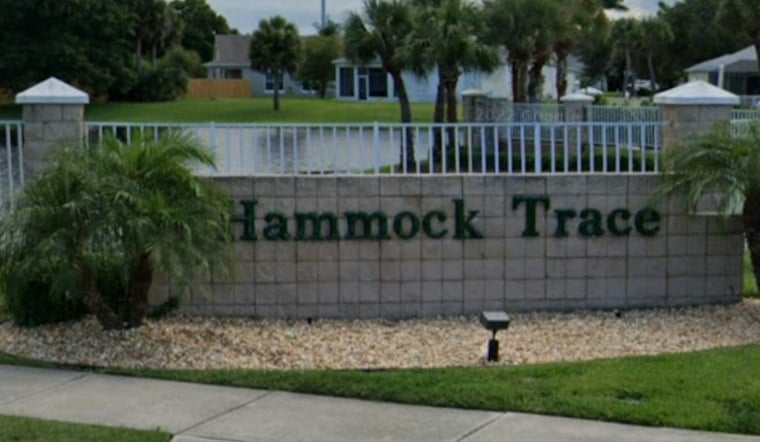
Dozens of mature oak trees that once shaded the streets of Hammock Trace in Viera are gone, cut down by Brevard County over concerns that their roots had made sidewalks unsafe. The county removed 62 trees from the neighborhood, leaving behind bare right-of-way strips where towering canopies used to stand, and residents say the change has transformed the look and feel of their community almost overnight.
Hammock Trace resident Gary Colonna told WKMG ClickOrlando that the neighborhood looks terrible now, and said many people were originally drawn to Hammock Trace because of its large oak trees. The oaks lined right-of-way easements in front of homes throughout the subdivision, and over time their root systems buckled sidewalks, creating what the county described as both safety and accessibility concerns, according to the same report.
Why the County Says Safety Left No Choice
Don Walker, Brevard County government communications director, said the decision to remove the trees was not made lightly. Per WKMG's reporting, county officials worked with an arborist and explored other options before settling on removal, and Walker said the county does not arbitrarily chop down trees but that sidewalks have to be safe for everybody.
That standard tracks with federal rules governing pedestrian access. Under Americans with Disabilities Act accessibility standards, any vertical displacement on a public sidewalk exceeding a quarter inch is classified as a trip hazard requiring remediation or replacement, according to Precision Concrete Cutting. Root-buckled concrete, especially beneath live oaks, often exceeds that threshold within just a few years of planting, which helps explain why the uplifted slabs along Hammock Trace's streets eventually caught the county's attention.
The biology behind the damage is well documented. UF/IFAS extension arborists note that mature live oaks can develop canopy spreads up to 60 feet wide, paired with extensive, shallow root systems that frequently buckle adjacent concrete driveways, foundations, and public sidewalks, as detailed by Ocala Style Magazine. In Florida's sandy soil, those shallow roots spread laterally rather than digging deep, which is precisely what pushed up the pavement throughout the neighborhood over the years.
The HOA Was Given a Choice, and Declined
Brevard County offered the Hammock Trace homeowners association an opportunity to take over liability for the trees, but the HOA declined, per WKMG's account. Sidewalk maintenance responsibilities can also become a point of dispute, as discussed in a report from Medium.
Sidewalk maintenance can raise liability questions when pedestrians encounter damaged concrete.
Residents Weigh Safety Against Lost Shade
The loss of shade has altered the neighborhood’s streetscape. A single shade tree can save a homeowner up to 20% on energy costs, according to the Ocala Gazette.
Hammock Trace is a residential subdivision where oak trees lined right-of-way easements in front of homes. The county removed 62 trees from the neighborhood.
Trees can provide building energy savings, stormwater mitigation, and air quality improvements, according to UF/IFAS Gardening Solutions. The 62 trees removed from Hammock Trace were part of the neighborhood’s canopy.
What Comes Next for Hammock Trace
Brevard County crews are now cleaning up remaining stumps and debris throughout the neighborhood, and the county expects sidewalk repair work to begin next year, per WKMG's reporting. For residents like Colonna, that timeline means living with bare streets and lost shade for months before the replacement concrete even goes in.



