

























































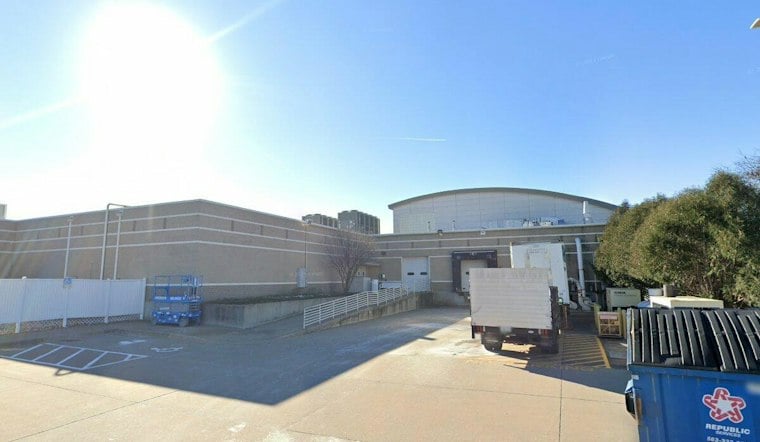
Bridgestone Americas has opened a new $3 million Bandag Training Center at its Akron campus, a nearly 15,000-square-foot facility built to teach hundreds of tire dealers, fleet workers and company employees the craft of retreading commercial truck tires every year. The center sits inside Bridgestone's tire test laboratory, right next to the company's Advanced Tire Production Center, putting hands-on training steps away from the research side of the business.
According to cleveland.com, the facility is designed to provide training on the benefits of retread tires, equipment, and related processes. The outlet reports the space is expected to train hundreds of industry professionals annually, a notable scale-up for a company looking to feed trained workers back into a stretched supply chain.
Per a Bridgestone announcement distributed via PR Newswire, the center includes production-scale retread manufacturing equipment along with stations built to walk trainees through each of the ten individual retreading steps. There's also a classroom and what the company calls the Bandag history walk, tracing the brand's roots inside the new space. Bridgestone says that when classes aren't in session, it plans to use the facility as an additional site for tire-retreading innovation work.
What Actually Happens Inside the Center
The Bandag process itself relies on pre-vulcanized tread rubber, which is applied to a worn tire's casing and then vulcanized onto it, a method also known as precure, according to Bridgestone's corporate news site. At the Akron center, rotating wheels press that tread against the casing to eliminate air pockets, as documented in photos and reporting from Rubber News.
The Akron Beacon Journal reports the facility sits at 1690 Firestone Parkway and will train commercial fleet and tire dealer professionals alongside Bridgestone and Bandag employees. The outlet's report also notes that the full demonstrated process, start to finish, takes about five to six hours. Bandag itself became a subsidiary of Bridgestone Americas back in 2007, the Beacon Journal notes, giving the Akron campus a direct lineage to the brand now anchoring its newest training investment.
As Crain's Cleveland Business reported, the new Akron center puts a spotlight on a process that's existed for decades but is getting fresh investment attention now. The Akron facility becomes Bridgestone's second designated Bandag Training Center, joining the existing Bandag Learning Center in Muscatine, Iowa, according to the company's own announcement. Bridgestone says the two locations together are meant to expand access to training and technical resources as demand grows.
An Industry Under Pressure
The timing lines up with broader strain across the retreading business. U.S. truck tire retreaders are navigating rising operating costs, labor shortages, and sustained pricing pressure from low-cost imported new tires, according to FleetOwner. Even so, the outlet notes that demand for retreads has remained steady in many regions as fleets focus on controlling costs and extending the life of their tire casings.
FleetOwner's reporting also found that companies across the sector have responded to those cost pressures by consolidating operations, improving process efficiency, and investing in larger, more productive facilities, a trend the new Akron center fits squarely into. The new Akron center is one investment in Bridgestone's retread network.
The Environmental Pitch Behind the Investment
Bridgestone frames the training push as part of a larger sustainability argument for retreading. Since 1957, Bandag retread efforts have helped divert more than 300 million tires from landfills, the company said in its announcement covered by cleveland.com. Compared with manufacturing new tires, Bridgestone has said retread tires can reduce the consumption of raw materials such as natural rubber by two-thirds.
The company has also pointed to industry-wide savings tied to the practice. Bridgestone says the retreading industry saves fleets more than $3 billion annually and conserves more than 217 million gallons of oil each year, according to figures reported by Fleet Equipment Magazine. Those numbers are part of the broader case Bridgestone is making for why training more retreaders, not just building more retread plants, matters to the industry's future.





