

























































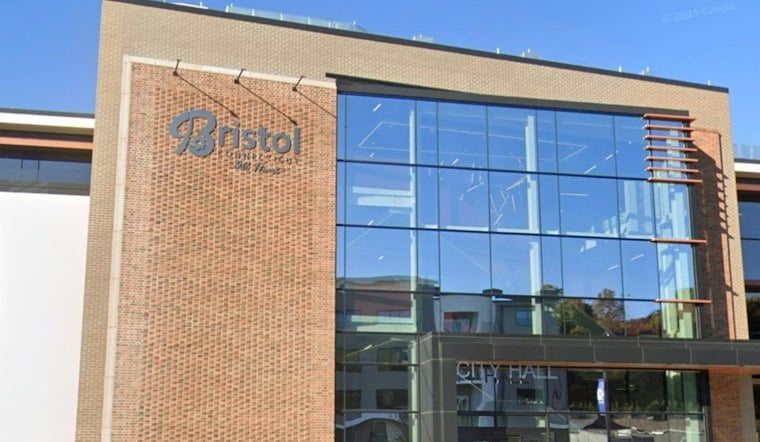
Bristol's City Council voted 6-1 this week to finalize an ordinance and select a vendor for red-light cameras, a move that follows 20 traffic deaths and 90 serious injuries across the city over the past three years. The council's Tuesday vote clears the way for cameras at some of Bristol's most dangerous intersections, though the plan still needs sign-off from state regulators before any device goes live.
The city has identified more than 35 intersections with high crash totals, but one location stands out as the starting point. Route 229 at Pine Street and Mountain Road is Bristol's highest-crash location, and officials have named it a priority for the first cameras, according to Daily Voice. Police Chief Mark Morello put the stakes bluntly, saying there is a traffic safety crisis in many areas of the city.
What a Ticket Will Actually Cost
A first red-light camera ticket in Bristol will run $65, broken down into a $50 fine and a $15 processing fee, per the same report. A second ticket within 12 months carries a $75 fine. City officials say Bristol faces no startup cost for the program, and Bristol has a contract with Site Stream LLC that remains under final legal review.
Before locking in a vendor, Bristol hosted a public forum on October 6 where finalists Site Stream LLC of Massachusetts and Altumint of Maryland presented their technology and fielded resident questions about camera operations and data privacy, according to the Bristol Edition. The Town of Wethersfield also uses Site Stream.
The State Still Has to Sign Off
Bristol's plan doesn't move forward on the council's vote alone. The Bristol Police Commission will now review possible camera sites and recommend final locations, and the Connecticut Department of Transportation must approve the camera engineering and locations before the city's plan can proceed, Daily Voice reports. That approval process is built into state law: once a municipality submits its automated traffic plan, the Connecticut Department of Transportation has up to 60 days to approve or reject it, and any approved plan remains valid for three years.
Bristol would join a growing list of Connecticut cities already using the technology. The state DOT has approved red-light cameras in 15 municipalities so far, including Beacon Falls, Fairfield, Greenwich, Hamden, Marlborough, Middletown, Milford, New Haven, Prospect, Stamford, Stratford, Washington, West Hartford, Wethersfield, and Winchester, per Daily Voice's reporting. New Haven offers an early look at how the rollout plays out: cameras at seven locations there flagged roughly 2,700 potential violations during a two-week testing period in October, with 2,041 warning letters sent to speeders and red-light runners, according to a New Haven Independent post.
Built-In Guardrails on Fines and Surveillance
Connecticut's enabling law, Public Act 23-116, grew out of Vision Zero Council recommendations after a statewide spike in traffic deaths, and it comes with several safeguards meant to blunt concerns about profit-driven enforcement. State law, Connecticut General Statutes § 14-307c, bars vendors from collecting contingency fees tied to how many tickets get issued, and net fine revenue must be dedicated exclusively to local transportation safety and infrastructure projects rather than a city's general fund, per the statute. DOT guidelines also cap enforcement at two cameras within any single Qualified Census Tract to prevent over-policing in lower-income neighborhoods.
Every newly activated camera must run through a mandatory 30-day warning period, during which drivers get written warnings instead of fines, under DOT guidance issued in January 2024. State law also requires a sworn police employee or designated local authority to review and approve every recorded violation before a citation goes out, and drivers can appeal citations through a hearing.
Bristol officials say drivers' personal information will be deleted within 30 days of payment or the resolution of a hearing, and that camera data will not be shared with law enforcement agencies outside Bristol, according to Daily Voice. The proposal has still drawn concerns from residents about surveillance and outside enforcement, even as supporters argue the cameras could change driver behavior and make roads safer. Resident Erick Rosengren captured that tension, saying he dislikes cameras and surveillance but has seen drivers run red lights, creating what he called a serious public safety issue.
School Buses Are Getting Cameras Too
Separately, the Bristol Board of Education is adding cameras to the city's entire school bus fleet, with the system expected to begin operating before the end of 2026. A driver caught passing a bus with flashing lights and an extended stop arm faces a $250 fine, while a police-issued school bus camera ticket carries a steeper $450 fine, per Daily Voice's reporting.





