

























































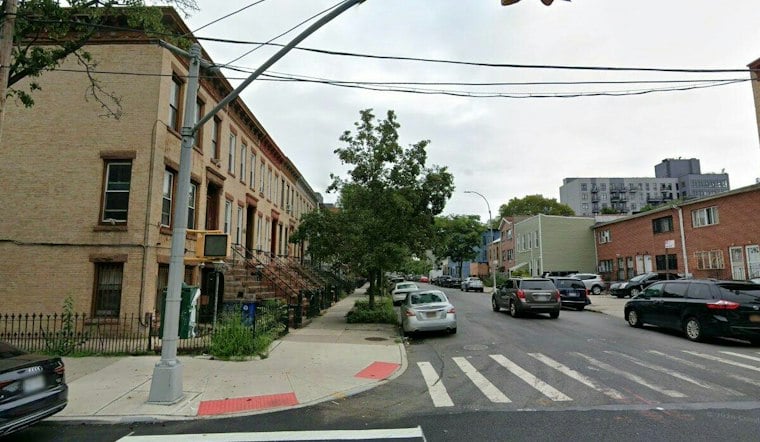
A Halloween display depicting a lynching outside a Bedford-Stuyvesant home has landed its creator in handcuffs, with neighbors calling it disturbing while the artist insists it was meant to make a point about racism in America. Aaron Mealy, a 35-year-old Black artist, was arrested on aggravated harassment charges after neighbors on Herkimer Street near Buffalo Avenue called police over the display, which included a noose hanging from a city-owned sidewalk tree.
Mealy told officers he wanted people to know that lynchings are still happening and that art is meant to evoke feelings, according to the criminal complaint cited by a report on the case. He intended the display to symbolize the abuse of minorities in the United States, writing on a paper sign posted to the tree, “Hey, still lynching n—-s in 2026,” followed by “Happy Halloween.” When confronted, he described the piece simply: “This is art.”
Neighbors did not see it the same way. One neighbor said the mock lynching had hung from the stairs of Mealy's home for three weeks before he moved it to the sidewalk tree, and described the display as distasteful, telling reporters, “This brings up many bad memories — it's not good.” Another neighbor, 21-year-old Kenneth Jeter, said Mealy could have “toned it down,” adding that a sign without the noose would have been fine with him.
The Legal Fight Over Art Versus Harassment
Police arrested Mealy on Sunday after the complaints, and he was released without bail. The New York Daily News reports that the arrest hinges partly on city law, which prohibits placing a noose on property without the owner's consent because the symbol is, in the law's own words, commonly exhibited as a symbol of racism and intimidation. The tree the display hung from belongs to New York City, not to Mealy.
The Legal Aid Society has said it will defend Mealy, framing the case in stark terms. The organization said the display was political expression calling attention to racism and violence against Black people, stating, “This was an act of political expression, not a hate crime,” and pledging to fight to protect his constitutional right to free speech. New York's aggravated harassment statute, as laid out by the New York State Senate, generally applies when a person communicates a threat of physical or unlawful property harm intending to harass someone, knowing or reasonably expecting that the communication will cause the recipient to fear harm.
A Prior Brush With the Law
This is not Mealy's first encounter with the criminal justice system. In 2023, he was charged with weapons possession after police responding to an argument involving his girlfriend found a gun in his home. He pleaded to misdemeanor weapons possession and received a conditional discharge in that case, the same report notes.
Whether the current aggravated harassment charge against Mealy will result in a conviction, dismissal, or plea remains to be seen as the case moves through the courts. For now, the dispute over a tree on a Brooklyn sidewalk has become a flashpoint over where provocative art ends and criminal conduct begins — a question neighbors, prosecutors, and Mealy's own defenders are far from settling.





