

























































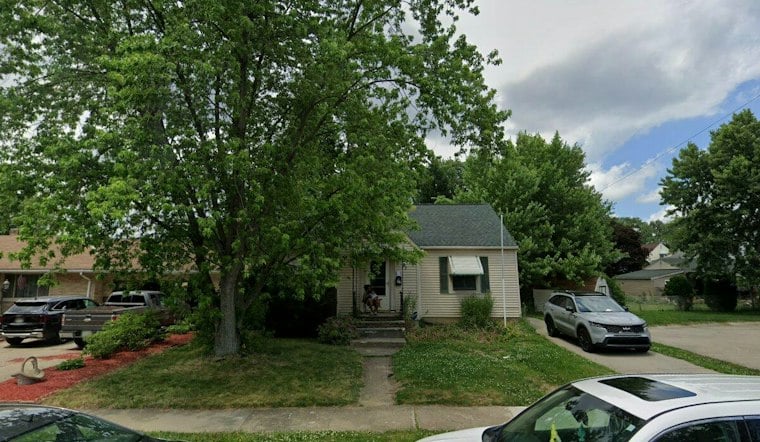
A Sacramento Bee investigation has raised questions about whether Ujitha “AJ” Perera, the Cal-OSHA official who has managed the agency’s Santa Ana district for five years, used state resources in connection with private property work and whether workers on that work were given adequate fall protection. The Bee reported that Perera operated an unreported construction and real-estate business while acquiring and remodeling properties in Ohio and California. The newspaper also reported that he remains in his state job. The Bee’s investigation and related report describe allegations and records; they do not, by themselves, establish violations.
Outside work and disclosure are separate questions
The Bee reported that Perera used his state email to discuss a property-related vendor contract identifying Jaya-Sri Investments LLC as the client, and used a scanner at his district office for a tenant lease. Jacki Rice, who told the Bee she worked on Perera’s properties, said she proposed the LLC as a real-estate venture, but that it was never formally incorporated. The newspaper also reported that its review found no record of the business dealings on Perera’s Form 700 disclosures.
California’s Department of Industrial Relations has a separate rule for outside work: employees whose compensated activity may be incompatible with or conflict with their state duties must request and receive a written determination. That rule describes a process, but does not establish whether Perera’s work fell within it or whether he sought a determination. The department’s statement sets out the requirement.
Financial disclosure has its own threshold. The California Fair Political Practices Commission says Form 700 duties apply to employees in positions designated by an agency’s conflict-of-interest code and cover interests specified in that code. The guidance does not establish whether Perera’s position was designated or which agency would investigate a possible filing violation. The FPPC’s rules guidance explains that distinction.
The roof-fall account and the limits of the safety rules
The Bee reported that a worker identified as Lalo fell while doing roofing work at a house Perera had bought in Ohio. In the account of the 2022 trip, Lalo said he asked for a harness and was not given one; he survived the fall and later told the newspaper he continued to feel pain. The Bee separately described a similar fall in Ohio in 2021. These are reported accounts of two incidents, not a determination of the job conditions or of a legal violation.
Federal guidance provides a benchmark, not a finding about either roof. OSHA says fall protection is required at elevations of six feet in construction workplaces, and says employers must provide required personal protective equipment at no cost to workers. Whether those requirements applied to the specific jobs depends on conditions not established in the Bee’s reporting. OSHA’s fall-protection guidance states the general standards.
Rice told the Bee she moved to California to manage Perera’s properties and did physical work, including drywall. She said he deducted rent and food from what he owed her and that she received no wages; the Bee reported that she said he still owed her money. Those accounts, like Lalo’s description of the roof work, are allegations reported by the newspaper.
Employment status and unresolved accountability
The Bee also reported that a Cal-OSHA inspector sued Perera in 2023, alleging verbal abuse and improper orders concerning workplace-safety citations. The Department of Industrial Relations settled the suit for $40,000 without admitting wrongdoing, according to the newspaper. The settlement is not a finding that the allegations were true. The Bee reported that Perera remains in his position; the cited agency guidance describes disclosure, outside-work and safety requirements but does not resolve the allegations in this case.





