

























































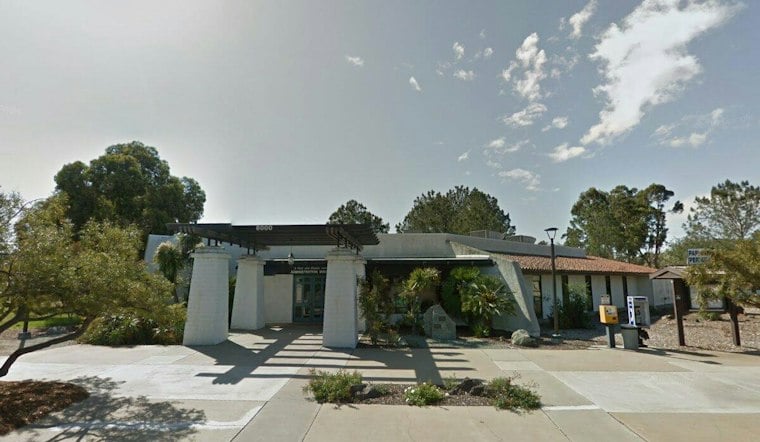
California lawmakers have signed four new laws designed to clear legal roadblocks slowing construction of affordable student housing, as the number of students experiencing homelessness statewide reached 298,254 during the 2024-25 academic year. The push comes as students like those at Cuesta College in San Luis Obispo describe cramming four to a room just to afford rent near campus.
Four Laws Target Environmental Review and Zoning Delays
The package, detailed in reporting by the Los Angeles Times, includes exemptions from environmental review, limits on certain lawsuits, and new incentives for developers. Assembly Bill 1732, authored by Democratic Assemblymember David A. Alvarez of San Diego, exempts student housing projects from California Environmental Quality Act review entirely. Alvarez said the bill is intended to apply to on-campus housing projects at universities with adequate capacity, while universities lacking on-campus room may use the exemption to streamline off-campus construction instead, according to the same report.
CEQA normally requires local and state agencies to assess large projects' potential environmental impacts and mitigate them, and the resulting reports can be challenged by lawsuits alleging inadequate findings or mitigation measures. Public university properties had previously been excluded from an earlier affordable-housing CEQA exemption because they fall under state jurisdiction, a gap the new Student and Faculty Housing Opportunity Act is designed to close by adding public colleges and universities to the pool of eligible projects.
Bond Requirements Aim to Block Frivolous Lawsuits
Senate Bill 916, written by Democratic state Sen. Angelique V. Ashby of Sacramento, extends bond protection against frivolous lawsuits to student housing projects. Under the law, courts may require plaintiffs suing over low- or moderate-income housing to post a bond when a suit is deemed frivolous or intended solely to delay or stop a project, per the Times account. Separately, Assembly Bill 2118 streamlines approval of mixed-income housing along commercial corridors, widening the set of sites where developers can build near campuses.
Assembly Bill 2480 sweetens the deal for private developers by providing incentives for projects that set aside units for affordable student housing. Off-campus developments reserving at least 20% of units for low-income students already qualified for incentives such as permission to add units and reduce parking, but the new law raises the bar further, increasing the incentive tier for projects dedicating at least 24% of units to low-income students, according to LexCircuit. The new laws also exempt qualifying student housing projects from certain local ordinances that have historically slowed approvals.
Priority Housing and Fee Deferrals for Unhoused Students
Governor Gavin Newsom also signed Assembly Bill 2766, which adds California's community colleges to the list of campuses required to prioritize unhoused and foster-system students for housing and requires community colleges and Cal State campuses to defer eligible students' fees and housing deposits until their financial aid arrives. As LAist reports, UC campuses are requested but not required to comply with the deferral mandate because of their constitutional autonomy under Article IX, Section 9 of the state constitution. Community colleges and Cal State campuses must also identify eligible students through housing applications, advertise housing benefits on their websites, and prioritize eligible students for NextUp, the state's foster youth support program that can include housing assistance.
Shaun Chilton, president of the Associated Students of Cuesta College, said some students at the San Luis Obispo campus are already living in uncomfortable and very expensive conditions, sometimes sharing rooms with four occupants. A five-bedroom house near Cuesta College rents for $12,000 a month, while one-bedroom studios in San Luis Obispo run between $1,900 and $2,600 a month, according to Rent.com figures cited in the Times piece.
Homelessness Climbing Even as State Funding Shifts
An August 2026 report by the UCLA Center for the Transformation of Schools found that student homelessness statewide reached 298,254 during the 2024-25 academic year, a 10% increase since 2018-19. The crisis spans all three tiers of public higher education: survey data from the Legislative Analyst's Office, reported by the Los Angeles Community College District, found roughly 25% of community college students, 11% of CSU students, and 8% of UC students have experienced homelessness during their studies.
California established the Higher Education Student Housing Grant Program in 2021-22, and funding through the program has helped build more than 9,000 college beds before state budget deficits forced a shift toward revenue bonds, according to the Times of San Diego's account of the program's trajectory. That financial squeeze helps explain why lawmakers pivoted this year toward regulatory streamlining rather than direct cash grants. The 2026 package builds on 2022's Senate Bill 886, which created a CEQA exemption limited to housing built on land already owned by public universities or community colleges through 2030, according to Liebert Cassidy Whitmore. It also follows 2023's Senate Bill 4, which allowed by-right affordable housing on faith-based and nonprofit-college land. Hoodline previously covered a related Costa Mesa housing dispute.
Advocacy Group Helped Shape the Legislation
The Student Homes Coalition, which worked with developers throughout the bills' development to address construction costs and delays, said it focuses on legislation expected to actually produce housing units. Kate Rodgers, the coalition's former chair and now legislative director of California YIMBY in Sacramento, said the group began with student advocates who recognized a need for a pro-housing movement focused specifically on students. Rodgers said student housing is often treated as less important than larger statewide development fights, even though the University of California and California State University are the largest public institutions housing people in the state, in her assessment.
Rodgers pointed to an underway development at UC Santa Barbara as an example of the new tools in action: the project avoided California Coastal Commission minimum parking requirements under a 2025 law requiring the commission to defer to state or private colleges on parking needs for their housing residents. Construction began in June 2026, with students expected to move in by fall 2028. Santa Monica College and the Student Homes Coalition also co-sponsored a 2025 bill exempting community college housing projects on college-owned or leased land from local zoning requirements; Santa Monica College now plans a project to house 750 students through a public-private partnership with Santa Monica Community College District and Michael's Student Living.
Funding Still Depends on November's Ballot
Even with the new legal streamlining, actual construction still depends on capital availability. Proposition 1, on California's November 2026 ballot, would authorize $11.25 billion in bonds, according to the University of California. The bond would also support tribal and farmworker housing.
Streamlined rules do not guarantee smooth delivery. Hoodline's prior coverage described the Los Angeles Community College District's decision to scrap its dorm procurement process and concerns over campaign finance and donor ethics; the donations fell outside the Levine Act's time window. The University of California currently houses over 41% of its students and has active capital projects planned to deliver 15,000 additional beds systemwide by Fall 2029, according to the University of California Office of the President. The Los Angeles Times article was authored by Aaron Friesen and Anahid Valencia, contributors with the College Journalism Network, a collaboration with CalMatters.





