

























































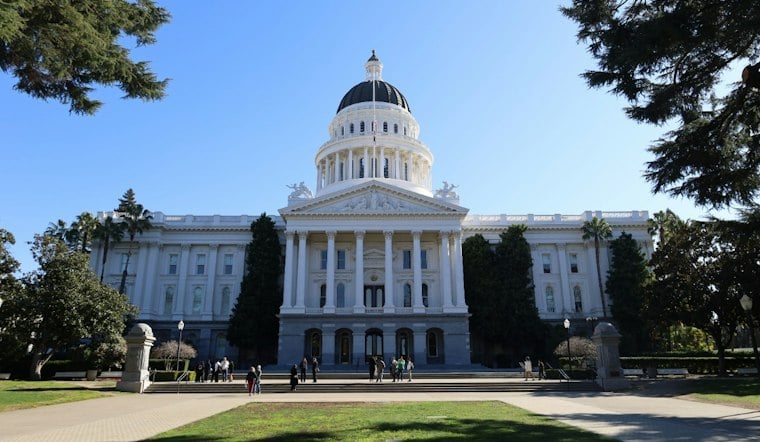
Tens of thousands of California state employees are preparing to walk off the job Wednesday without ever having to tell their supervisors beforehand. Service Employees International Union Local 1000, which represents nearly 100,000 state workers, plans to hold what would be the union's first strike in its history on Wednesday, Oct. 21, 2026, and individual employees are not required to notify their bosses before joining.
That detail comes from both the union and an outside labor attorney, as reported by Abridged – PBS KVIE, which notes that SEIU Local 1000 and employment law expert Alec Tyra agree individual employees don’t have to notify their supervisors. Tyra, senior counsel at Kronick Moskovitz Tiedemann & Girard, told the outlet that California labor law does not require workers to give managers advance notice of a strike. He added that his firm has represented CalHR in some past matters involving Local 1000 but is not currently representing the department on the planned Oct. 21 action, and stressed that his views are his own, not those of his firm or CalHR.
The union itself did give the state a heads-up, even if individual workers don't have to. The union has noticed the state about this strike, according to Abridged. Local 1000 representative Bobby Dalton G. Roy said telling a supervisor about the strike is entirely voluntary, though he recommended workers consult their individual supervisors about how their timesheets will be entered that day.
Pay Docked, AWOL Marks Possible
The one-day action will cost participating workers money. According to the union's own strike page, SEIU Local 1000 says the state intends to dock employees’ pay for hours missed because of strike participation, and workers who join will not report to work that day at all.
Timesheets are a bigger worry for some employees than lost wages. The union's strike FAQ said departments may lack a specific strike-absence code and may instruct employees to use an AWOL designation instead, and it advised workers not to panic if their timesheet shows an AWOL day that Wednesday. The same FAQ emphasized that an AWOL timesheet designation is not, by itself, disciplinary action, and that lawful unfair-practice strike participation counts as protected concerted activity.
That distinction matters because of a separate state rule: under the California AWOL statute, five consecutive working days absent without leave triggers an automatic resignation from state service as of the employee's last workday. Roy said a one-day strike should not expose workers to that five-day automatic resignation rule, and he said workers should not lose their jobs for participating in the strike. Tyra echoed the legal backing for that view, saying the state generally cannot retaliate against an employee for participating in a legal strike, and that using an AWOL mark as a basis for discipline would itself amount to an unfair practice charge.
What Happens If Retaliation Occurs
Tyra did flag one gray area: he said an employer may have justified reasons for changing an employee's duties around the time of protected activity, but also warned that removing an employee from a high-profile project after union activity could violate state labor law. Management may not unlawfully discipline or retaliate against employees for protected strike participation, and Roy said the union remains in workers' corner if supervisors take action against them, adding that SEIU Local 1000 will support members who face treatment connected to the Oct. 21 strike.
PERB Sides With the Union, Mostly
The fight over whether the strike can even happen played out before the Public Employment Relations Board. The Sacramento Bee reported that the board on Friday sided with SEIU Local 1000 by expressing its intent to deny the state’s request to block the strike. The Newsom administration had claimed the union had not adequately specified which essential workers would be exempt from striking, and the two sides reportedly met this month to discuss which health and safety employees should be exempt.
PERB's decision also designated about 4,400 state workers as prohibited from striking, including nearly 1,080 workers in Correctional Health Care Services, per the Bee's reporting. That total is down from the roughly 6,000 workers deemed too essential to strike during the union's last strike threat, in 2016 — a walkout that was authorized but called off at the last moment, according to Employees First Labor Law. The Newsom administration and Local 1000 have also filed new unfair-practice charges against each other with PERB this month, and the union filed its own unfair-practice claim against the administration back in July.
Bargaining Breakdown Behind the Walkout
The roots of Wednesday's strike trace back to a contract that expired June 30. Local 1000 members authorized the strike earlier this month with 96% of votes cast, according to CalMatters, which reported the union wants better pay, more affordable health care coverage and more flexibility to work from home. The outlet also reported that the union's unfair-practice complaint accused CalHR, the state agency that handles labor negotiations on the administration's behalf, of bad-faith bargaining, delaying negotiations and rejecting proposals outright.
Should the walkout proceed as planned, some immediate effects on Californians could include delayed services at the DMV, the same outlet reported, with state unemployment and disability insurance offices also affected. California state workers, including those at the DMV and the Employment Development Department, could be absent from their posts if the strike occurs. Notably, the union has never held a statewide walkout in the 44-year history of the labor groups that became Local 1000, making Wednesday a genuine first.
Where the Strike Lines Will Form
Organizers have mapped out strike lines across downtown Sacramento and beyond. Planned locations include the California Secretary of State's office at 11th and O streets, the May Lee State Office Complex near North 7th Street and Richards Boulevard, and the California Natural Resources Agency near 7th and P streets. A strike line is also planned at CalHR’s 1810 16th St. building, and workers plan to march from it to the Capitol Annex Swing Space at 1 p.m., according to Abridged.
The union is urging broad participation beyond those lines. The vast majority of us, more than 95,000 state workers, should join a strike line, SEIU Local 1000 said on its strike page, noting that only a small number of employees have been designated essential and required to work that day. CalHR did not respond to Abridged’s questions by the time of publication, the outlet reported.




