

























































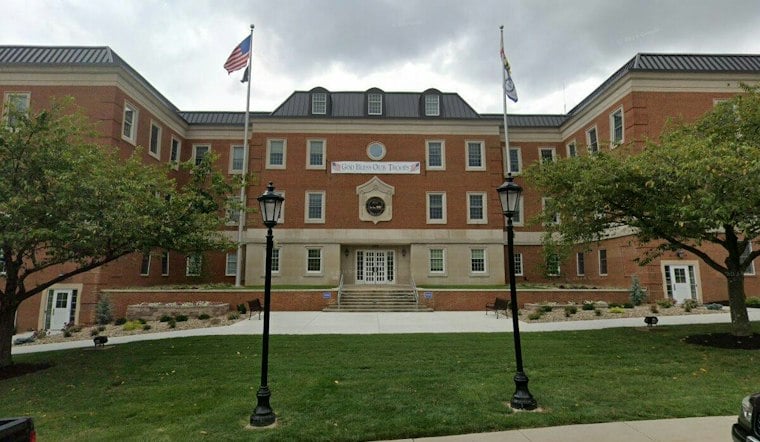
Carroll County commissioners have made it significantly harder for any future board to raise the county's recordation tax, voting to require four of five votes rather than a simple majority. The change doesn't touch current tax rates — it simply raises the bar for approving increases down the road.
The resolution adds recordation taxes to a supermajority requirement that Carroll County commissioners first put in place in 2011, which already covered real property, local income, hotel, and other county tax levies, according to Conduit Street, the Maryland Association of Counties. Commissioner Tom Gordon said the move is meant to establish greater protection for taxpayers by making rate increases more difficult to approve, as reported by the Baltimore Sun.
Because Carroll County's five commissioners are elected by geographic district to four-year terms, the four-vote threshold amounts to an 80% supermajority requirement — meaning just a single dissenting vote can now block a recordation tax hike, per the Maryland Manual On-Line.
Why Recordation Taxes Became the Target
The timing traces back to September, when commissioners unanimously directed staff to draft the resolution, debating at the time whether rate protections should be benchmarked to 2011, 2023, or current values, the Sun's reporting on the lead-up noted alongside coverage from Citizen Portal. Recordation taxes carry outsized weight in Carroll County because the county, unlike most Maryland jurisdictions, levies no separate local transfer tax on real estate transactions — making the recordation tax its primary local levy on property sales, according to the Brennan Title Company.
That levy isn't small for everyday buyers. Carroll County's local recordation tax currently sits at $6.50 per $500 of consideration on deeds and mortgages, up from $5.00 per $500 before a rate hike took effect in July 2024, per Deeds.com. With median home sale prices in the county ranging between $474,900 and $497,000 in early 2026, that rate adds more than $6,000 in local fees to a typical home purchase before any state transfer fees are even factored in, according to the Hulsman Group.
A Small Slice of a Big Budget
Despite the dollar impact on individual buyers, recordation taxes make up a modest share of county finances overall. In Carroll County's $542.8 million fiscal year 2024 operating budget, recordation taxes generated roughly 3% of total revenues, compared with 45% from real property taxes and 38% from local income taxes, Conduit Street reported. The county's legal authority to set that rate flows from Title 12 of the Maryland Tax-Property Code, under which the General Assembly establishes the statewide framework while leaving rate-setting to individual county governments, according to Gordon Feinblatt LLC.
The county's other major levy remains tightly bound by the same 2011 rule. For fiscal year 2026, Carroll County's real property tax rate was set at $1.018 per $100 of assessed valuation, a rate that continues to fall under the supermajority vote requirement, the Hulsman Group noted.
Fees Have Moved Even as Tax Rates Hold
While commissioners have kept property and income tax rates steady, they haven't avoided raising county revenue altogether. In April, the board approved substantial municipal fee increases, Hoodline previously reported, raising average quarterly residential water bills by about $23 and pushing sewer charges up by nearly 30%. That pattern underscores the resolution's core limitation: it raises the bar for a specific set of tax levies, but the supermajority rule remains a local policy resolution rather than charter law, meaning a future board could still alter or repeal it through standard legislative procedure.




