

























































Charleston residents got their first real look this week at what could be the biggest overhaul of the city's development rules in six decades. City officials presented the opening installment of a proposed zoning-code rewrite at an open session, the first comprehensive update since 1966, touching everything from flood-prone land near the harbor to how historic buildings get a second life.
According to Live 5 News, Charleston is rewriting its zoning code for the entire city at once for the first time, rather than tackling it piecemeal. Robert Summerfield, the city's director of planning and preservation, described the process as lengthy and thorough, and said the goal is straightforward: clarify development rules, improve communication with neighborhoods, and align new projects with the city's long-term goals.
Summerfield framed the stakes in personal terms, noting that what happens around a community is shaped by zoning and affects daily life. He also said growth can create problems when it conflicts with community expectations or when infrastructure can't keep pace — a reason, he said, that aligning zoning, land use and transportation planning is essential for sustainable growth.
New Rules for Notifying Neighbors
One of the more tangible pieces of the first installment is a set of new requirements for notifying residents about certain development applications. Those would include neighborhood meetings and community notices, according to the same report, aimed at making the zoning application process easier to navigate for both applicants and the people living nearby.
The rewrite is also meant to clarify how zoning connects to the city's future land-use maps, giving residents and developers a clearer sense of what's allowed where. City officials have said future installments will focus on development standards and on consolidating Charleston's patchwork of existing zoning districts — work that, per the report, is expected to roll out in the coming weeks.
Flood-Prone Land Gets Its Own Overlay
Perhaps the most consequential piece involves water. The proposal would add a Low Elevation Overlay to identify the city's lowest-lying, most flood-prone land, according to a separate Live 5 News report. City officials said development on those extremely low parcels would either not be encouraged at all or would require mitigation.
The backdrop for that overlay is hard to ignore. Charleston recorded 27 flood events rated moderate or higher in 2023, a record, and sea levels in the area are predicted to rise about a foot by 2050, according to the Post and Courier. That outlet also reported that the broader strategy behind the rewrite recommends reducing development density in the city's lowest and most flood-vulnerable districts, and that the rewrite team is weighing transferring development rights to lower-risk areas to soften the blow for affected property owners.
City officials maintain the rewrite is not intended to downzone properties, and say the new code could give property owners additional options in some cases. How those two ideas — reduced density in flood zones and no intent to downzone — square with each other wasn't fully explained in the materials presented this week, and the city has not detailed which specific parcels the Low Elevation Overlay would cover.
Preservation Advocates Watching Historic-Property Rules
The rewrite also aims to draw a clearer line between brand-new construction and the reuse of existing buildings, including historic ones. Summerfield said the city can encourage reinvestment while making sure redevelopment benefits both individual properties and the surrounding community.
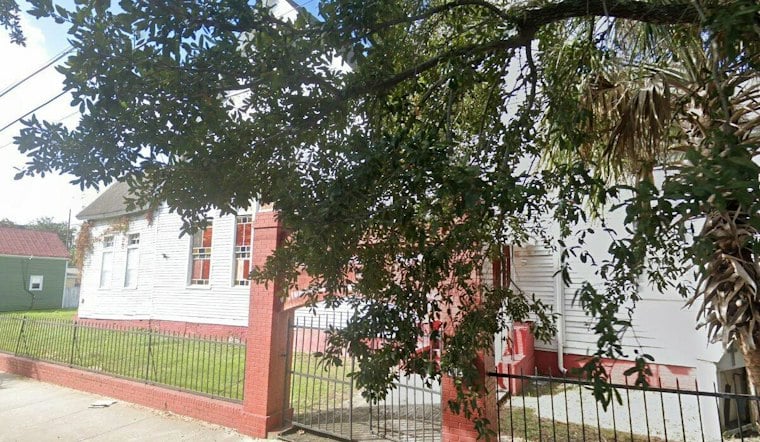
That provision has resonance beyond planning jargon. The rewrite is also meant to prevent the loss of historic features that were supposed to be preserved under earlier approvals but were lost to years of inaction — a reference to cases like the former Emma Abbott Memorial Chapel at 52 Cooper St., which was ultimately granted permission for demolition after years of neglect led to structural issues.
Winslow Hastie, president and CEO of the Historic Charleston Foundation, said zoning determines what can happen on a property and argued the new code should help prevent inappropriate demolitions while encouraging historic buildings to be maintained. Hastie said zoning rules need to reinforce the city's existing preservation policies, including oversight by the Board of Architectural Review and the city's preservation ordinance.
Charleston's track record on height and density has drawn scrutiny before. The Preservation Society of Charleston has pointed to a 2017 switch to measuring height districts in stories rather than feet, and to cases like the 2021 approval allowing 609 and 635 King Street to grow from six to seven stories, and a separate 2021 rezoning that let 518 East Bay Street rise to six stories in a stretch of mostly one- to three-story buildings.
A Timeline Still in Flux
When residents might see the full picture remains murky. Live 5 News reported that city officials expect a full rough draft to be available for public review in December, with a goal of having the rewritten code approved, adopted and implemented by summer 2027. That differs from an earlier account from citizenportal.ai, which cited city planning staff saying public drafts were due in summer 2026 — a discrepancy the city has not publicly reconciled.
Charleston isn't alone in tackling a decades-old code. In Southern California, Santa Ana is working through its own first zoning rewrite since the 1960s, according to the Orange County Register, with that effort concentrating major changes in five growth corridors and easing parking and signage rules as it implements a general plan adopted in 2022. Charleston officials, meanwhile, have said some of the city's current zoning maps are decades old and out of date, part of the original rationale for hiring outside experts to help with the rewrite back in 2022.
For now, city officials say the broader aim is to balance future development with preserving the historic character of the peninsula, while making the zoning codes more equitable and resilient. The next test will be whether the remaining installments, due in the coming weeks, can reconcile the flood-resilience goals with the stated intent not to downzone properties.


