

























































The policy landscape
New York City’s school integration debate spans both citywide enrollment patterns and admissions to selective schools. Research by the UCLA Civil Rights Project and the William T. Grant Foundation found that 77 percent of Black and Hispanic students in the city attend public schools where fewer than 10 percent of students are white. The research also ranks New York as the country’s most segregated state for Black students.
Brooklyn’s Community School District 15 offers a local example of a different admissions approach. In 2019, it stopped using academic screenings for middle-school admissions and set aside about half its seats for students who are low-income, homeless, or learning English, according to the William T. Grant Foundation. The district’s experience provides one point of reference for advocates considering whether similar policies could be expanded.
What District 15’s experience shows
According to WXY Studio’s 2024 evaluation, District 15 moved from the second most socioeconomically segregated middle-school district in New York City before its diversity plan to 19th out of 32 by the 2022–2023 school year. That is a district-level socioeconomic measure, not a measure of citywide racial segregation.
The New York Times reported in 2024 that District 15 had not seen a major exodus during its integration effort and that its enrollment declines were less extreme than elsewhere. That district-level experience does not establish what a citywide policy would do.
Recent academic and admissions figures add to the pressure for action. Department of Education results released in August showed English Language Arts proficiency in grades 3 through 8 at 50.3 percent, down six percentage points; third-grade reading proficiency fell nearly 14 points to 44.2 percent, according to the New York Post. Stuyvesant High School offered three of its 777 incoming seats to Black students and 21 to Latino students, figures that have fueled calls to change specialized-school admissions, as Hoodline reported.
The town hall and its participants
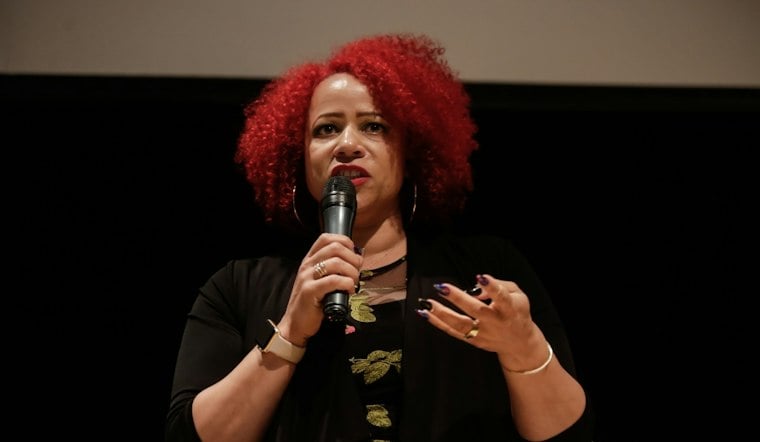
A school-integration town hall is scheduled for Tuesday, October 20, at M.S. 131 in Chinatown. New York Appleseed and youth journalism nonprofit The Bell are co-hosting the event, where student journalists are expected to speak and emcee. Gothamist reported that journalist Nikole Hannah-Jones and Schools Chancellor Kamar Samuels are expected to take part.
The forum is intended to move discussion toward policy and make students’ experiences central. New York Appleseed executive director Nyah Berg described it that way, according to Gothamist, which also reported that Hannah-Jones’s writing about her family’s experience in the city school system helped prompt the gathering.
Questions for city leadership
The policy debate is unfolding before Mayor Zohran Mamdani’s administration has released its promised education plan. Gothamist reported that Mamdani called Hannah-Jones’s essay devastating and said his administration was working on the components of a plan for high-quality education. Hannah-Jones said that response was insufficient and hoped public attention would increase pressure on the mayor to publish the plan, the outlet reported.
Samuels’s record and stated priorities are another part of the debate. Gothamist reported that his record includes contentious school mergers. In a January interview with CBS News, he gave the city’s public schools a C and said reviewing under-enrolled schools, including the possibility of mergers, would be part of his approach, as Hoodline reported. The town hall will bring these questions to a forum involving students, parents, and advocates.




