

























































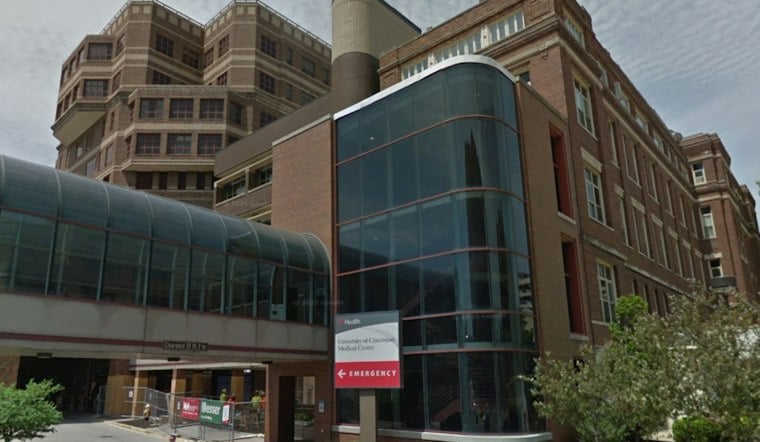
Sabrina Greenway's kidney function has dropped to 14%, and her mother is pleading for someone with the right blood type to step forward. The 20-year-old Cincinnati woman, who was born with kidney reflux and has undergone several surgeries since, is now engaged and planning her wedding — but those plans, along with the rest of her life, are on pause while her family searches for a living donor.
Mary Peters, Greenway's mother, said her daughter has been battling frequent urinary tract infections and exhaustion as her kidney function continues to decline. Each infection carries real danger: according to FOX19, doctors are monitoring Greenway closely because every UTI can mean another trip to the emergency room. Peters described her daughter's condition bluntly, saying, “She's getting a lot of UTIs, she's very tired.”
Peters has spent months searching for a compatible donor, but she cannot be one herself. “I cannot because of my own health issues,” she said, per the same report. Any potential donor must share Greenway's O-positive blood type or have O-negative blood, narrowing the pool of people who could step in to help.
A Wedding and a Future on Hold
For Greenway, the stakes go beyond a single surgery. Peters said her daughter's wedding plans — and the life she wants to build — are on hold until a donor is found. “Everything is at stake… her whole life, our whole future is at stake,” Peters said, describing the toll the search has taken on the entire family as she asks a potential match to come forward and save her daughter.
How a Living Donation Would Work
Families in similar situations have turned to hospital transplant programs for help identifying a match. UC Health's living-donor program begins with a medical-history review and a full physical examination, the health system notes in its donor materials. If a willing donor turns out not to be compatible with Greenway specifically, a paired exchange — matching the donor with a different recipient in exchange for a compatible kidney for Greenway — may still be possible.
Potential donors can reach the UC Health Kidney Transplant team at 513-584-7001, option 4, or register online, according to the health system's guidance. The uchealth.com page also notes that most living kidney donors spend about one to two days in the hospital and return to normal activities within four to six weeks, though accounts of recovery timelines vary. A separate report on a similar kidney search in Virginia quoted a transplant-clinic source who said donors typically go home after one to two days — most often just one — and are usually back to work and regular routines in about two to three weeks, according to Williamsburg Yorktown Daily.
Not an Isolated Search
Greenway's case echoes a similar family search unfolding in Virginia, where 12-year-old Sofia De La Lastra of Yorktown is also searching for a living kidney donor while in the final stage of kidney failure. Sofia was admitted to Children's Hospital of The King's Daughters after tests showed her kidneys were in severe distress, and she was later diagnosed with two rare autoimmune diseases — anti-neutrophil cytoplasmic antibody vasculitis and Goodpasture syndrome, per the outlet's report. She now undergoes ten hours of peritoneal dialysis every night while sleeping, which restricts her daily schedule and activities.
That same report notes that living donor candidates go through extensive medical, psychological and social screening before surgery, and that donors do not pay for any part of the process — the recipient's insurance covers tests, surgery and post-operation care. For families like Greenway's and De La Lastra's, the search for a compatible stranger willing to give up a kidney remains the central obstacle standing between a patient and a normal life.





