

























































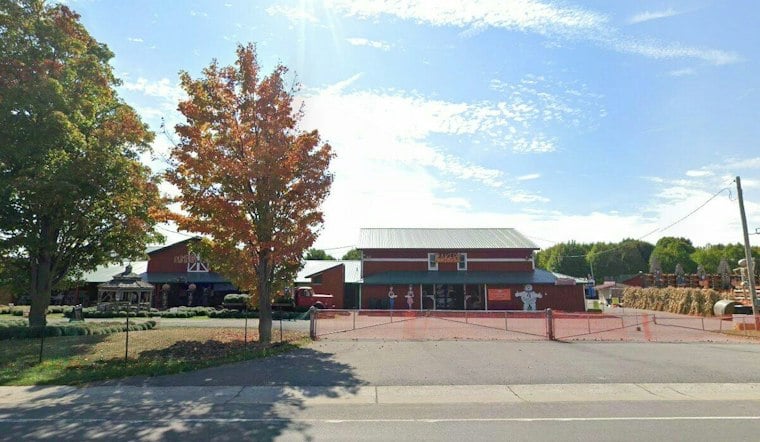
Kelly Schultz bought an 85-acre former cow farm next to his antique store in Clarence back in 1993 with no farming experience at all, and people thought he'd lost his mind. Three decades later, that gamble is pulling in $2 million a year and drawing more than 100,000 visitors every fall to a stretch of Western New York about 15 miles northeast of Buffalo.
“Everybody laughed at me,” Schultz, now 74, told CNBC Make It, recalling the skepticism he faced when he first floated the idea. At the time he was working as a second-generation antique seller, a business he still runs year-round alongside an antique auction house. Schultz said he paid roughly $650,000 for the 85 acres, and the Great Pumpkin Farm officially opened in 1996.
Schultz says he was inspired to start the operation after visiting a pumpkin patch in upstate New York in the early 1990s. He had no background in agriculture, so he leaned on local farmers to learn how to grow giant gourds. That education set the stage for a move that would put his fledgling farm on the national map almost immediately.
A $50,000 Bet That Made History
In 1996, the World Pumpkin Weigh-off was held at Schultz's brand-new farm. The World Pumpkin Confederation focuses on growing giant pumpkins and squash, as detailed by GiantPumpkin.com.
Schultz offered $50,000 to any grower who could produce a pumpkin weighing at least 1,000 pounds, and he purchased prize indemnity insurance to cover the payout before promoting the contest with newspaper ads across the country. A couple from Lowville, New York, delivered: their entry weighed 1,061 pounds and broke the world record at the time. The pumpkin was recognized in the Guinness Book of World Records. Schultz has said the weigh-off put the farm on the map.
The farm still hosts a weigh-off every October, and this year's heaviest entry came in at 1,908.5 pounds. Giant pumpkin weights have climbed dramatically across the sport in the decades since Clarence's historic win — the current global record stands at 2,819.3 pounds, set in October 2025 by British growers Ian and Stuart Paton, as Hoodline reported in its coverage of the Wheatland weigh-off's $75,000 prize. Closer to home, grower Scott Andrusz set a U.S. record at Clarence's own weigh-off in October 2022 with a 2,554-pound entry that also broke the New York state mark and earned him a $5,500 prize, per OPB.
Seven Weeks, 25,000 Pumpkins, One Giant Pyramid
The farm's 2026 season runs from September 19 through October 31, a span of 43 days, yet it stocks more than 25,000 pumpkins annually, most of them purchased from nearby farms. Visitors can't miss the 50-foot pumpkin pyramid visible from the road. Weekend admission runs $20 and covers hayrides, pie-eating contests, magic shows, a giant slide, live music, train rides, the Boo Barn and pumpkin pedal kart rides, while extra-fee attractions include amusement rides, pumpkin cannons, a zombie paintball train, carnival games and a Buffalo Bills-themed corn maze.
Weekday visits are free and still give families access to pumpkin sales, a Halloween store, a bar and bakery, an outdoor playground, a petting zoo and a hay maze. Festival food vendors sling barbecue and specialty grilled cheese sandwiches throughout the season. To keep it all running, Schultz employs more than 100 seasonal workers during the seven open weeks, handling everything from driving hayride tractors to serving pumpkin donuts.
That kind of seasonal entertainment model has become a lifeline for small farms across the state. According to 2022 USDA Census of Agriculture data compiled by Cornell CALS, 947 New York farms offered agritourism that year, generating $55.5 million in revenue — more than triple the number of such operations reported in the state in 2007. The figures point to agritourism's growing role in New York's farm economy.
Nowhere Near Slowing Down After Halloween
New York leads the nation in total pumpkin farms, with 1,170 operations statewide as of 2022, according to Penn State Extension's analysis of USDA data — putting Clarence squarely in the country's most active direct-to-consumer pumpkin market. The farm is officially listed in Erie County's Erie Grown directory at 11199 Main Street in Clarence, confirming its standing as part of the county's agritourism push.
Once Halloween passes, the farm shuts down fast. The petting zoo animals go back to their original farms, amusement rides come down, and pig farmers collect the leftover pumpkins for animal feed. Packing everything away and cleaning up takes about a month, even though the farm keeps roughly 20 full-time, year-round staff on hand to maintain the old barn buildings and mow the grass between seasons.
Rising gas costs remain a major expense, Schultz said, and he predicts the business will make a little less in 2026 than it did the year before. Still, he tries to avoid raising admission prices, and he says the farm has stayed profitable, with most of the money reinvested back into the business — including his roughly 300 acres of surrounding land, where he aims to add or upgrade something new every year.
Nationwide demand for Halloween shows no sign of slowing. U.S. Halloween-related spending is expected to hit $13.5 billion in 2026, according to a September National Retail Federation survey, with 74% of Americans planning to celebrate and 42% of those planning to carve a pumpkin. Schultz said farm attendance climbs just about every year.
The farm is increasingly a family affair. Schultz's son, Ben, 45, has helped run both the pumpkin farm and his father's antique businesses for 25 years and says he's proud of what his father built and enjoys working alongside him. Kelly Schultz's grandchildren pitch in too, and he expects the Great Pumpkin Farm to become a generational business — a vision Ben described as keeping the farm's momentum going for years to come.




