

























































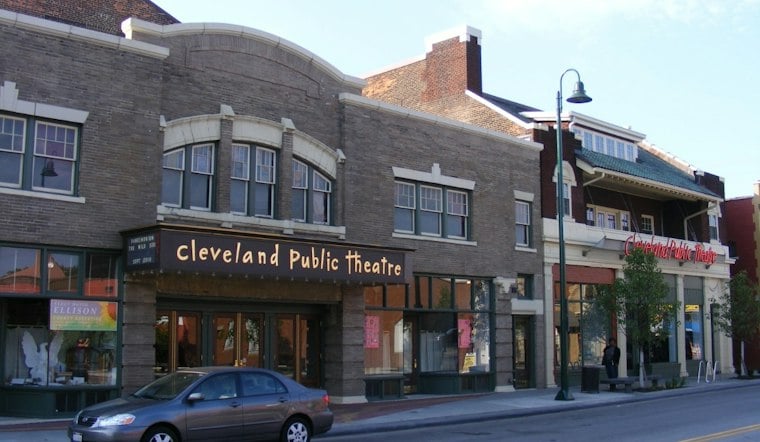
Cleveland's Día de Muertos festival returns Saturday, Nov. 7, 2026, marking the 22nd year that the city has gathered to honor the dead through altars, music, dance and a procession of skulls and skeletons. The daylong celebration runs from 11 a.m. to 10 p.m. at Cleveland Public Theatre in the Gordon Square Arts District, and admission is free, though visitors must reserve a ticket and present it at the entrance.
The festival is presented by Cleveland Public Theatre, Teatro Público de Cleveland and Día de Muertos Ohio, according to the venue's event page. As Cleveland.com reports, festival organizers suggest a donation of at least $10 to help cover production costs, and the tradition itself is centered on celebrating life and remembering loved ones who have died, rooted in rituals of the Aztecs and other Indigenous peoples of Latin America. The observance brings families together to honor ancestors through memories, altars, food, music and art.
This year's lineup has planned seven altar installations and a main altar by Julia Pankhurst, according to Cleveland.com's reporting. The celebration will also have an expanded Indigenous presence, including performances by two groups of Aztec dancers, one detail corroborated by FreshWater Cleveland. The dance groups will come from Painesville and an area between Cleveland and Lorain County, per Cleveland.com.
A Polish Artist Builds an Altar for Her Son
Among this year's altar builders is Renata Jelito, a Polish-born artist who grew up celebrating All Saints' Day and All Souls' Day with her family in Poland on Nov. 1 and 2. She moved to the United States at age 11, and her family stopped observing those holidays after the move, according to Cleveland.com.
Día de Muertos Ohio artistic director Héctor Castellanos Lara invited Jelito to participate in Cleveland's celebration. She initially planned to dedicate her altar to her son George, who died in 2017, but ultimately decided to honor as many of her ancestors as possible. Jelito is creating many objects for her altar herself, including skeleton nutcrackers she designed for Christmas last year, and said the project lets her continue a tradition and release her feelings, per Cleveland.com's reporting.
Her altar, Cleveland.com notes, helps her process grief and reconnect with a tradition she had set aside for years.
Music, Food and a Procession Down Detroit Avenue
The festival includes cemetery and altar installations, arts and crafts, Latin food, food trucks, live music, dance, a folk-art market and other entertainment, according to Cleveland.com. Performers announced for this year include Dueto Maravilla, Patricia Bussert, the Julia de Burgos Cultural Arts Center danza group and Rice & Beans Latin Jazz Band, along with violinists, a cellist and other musical groups.
Local Mexican artist Ivette Wilkins, founder and creative director of Memoro Studios, designed the festival's annual artwork this year. The piece recognizes the xoloitzcuintli, an ancient hairless Mexican dog viewed as a sacred guide for souls of the dead, according to Cleveland.com.
The Procession of Skulls and Skeletons begins at 3:30 p.m. in the theater's main parking lot and travels along Detroit Avenue before returning to the theater, with the parade expected to conclude around 4:15 p.m. FreshWater Cleveland reports that this year's procession will have Willie Colón as grand marshal and Olga Rosado as banner leader.
From 125 People in Tremont to a Citywide Tradition
The celebration's roots trace back to small gatherings in Tremont in 1999 and 2000, when the first Cleveland Día de Muertos drew about 125 people. Attendance grew to nearly 300 people in 2000 after two buses brought students from Kent State University, according to the same FreshWater Cleveland account. The event was later held at Convivium 33 Gallery from 2005 through 2007 before moving to Cleveland Public Theatre in 2008, where it has remained ever since.
Last year's festival, held Nov. 1, 2025, was billed as the 21st annual celebration and featured altar installations, arts and crafts, Latin food, live music and free entertainment for all ages, according to La Prensa. Festival participants numbered close to 550 last year, per Héctor Castellanos Lara, Cleveland.com reports.
Ticketing and an Uncertain Future
Visitors will be asked to make a $10 donation when they secure a free ticket to see the altars inside the Joan Yellen Horvitz Performing Arts Center, the same FreshWater Cleveland report notes. Performances, vendors, food stands, face painting and the parade will remain open to the public without an admission charge, although tickets are still required.
Funding for the 2027 celebration is uncertain, as organizations behind the event are weighing whether to cut programs or begin charging for more activities, according to FreshWater Cleveland. The outlet notes the uncertainty as the annual gathering enters its 22nd year, a milestone organizers hope to build on even as next year's budget remains unresolved.




