

























































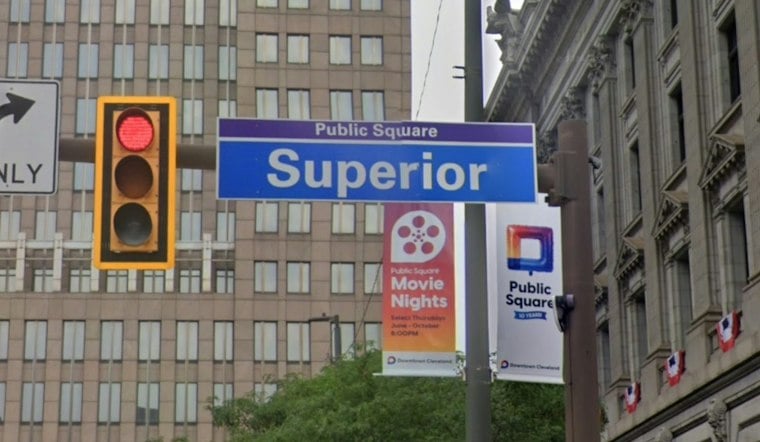
Downtown Cleveland's weekday food truck lunches just got a month longer. A new series called Trucktober is bringing food trucks and live music to Public Square along Superior Avenue every Tuesday through Thursday in October, running from 11:30 a.m. to 1:30 p.m.
The addition stretches what had been a strictly seasonal program. According to WKYC, Downtown Cleveland previously ran its standard summer food truck series only from May 1 through September 30, meaning Trucktober marks the first time the lunchtime lineup has pushed into the fall. The timing also lines up with a bigger milestone: Public Square is marking the 10-year anniversary of its $50 million redesign, which in 2016 transformed the 10-acre space from a transit crossroads into a public destination, as WKYC also notes in its coverage of the square's revitalization.
Building on a Summer-Long Lunch Tradition
Trucktober is an extension of Downtown Cleveland, Inc.'s existing summer programming, which features more than 70 rotating food trucks operating across five downtown parks and plazas on weekdays from May through September, per the same station's reporting. That seasonal lineup includes staples like Memorial Mondays at Fort Huntington Park and Food Truck Tuesdays on Public Square, giving downtown workers a near-daily rotation of lunch options across the city center.
The roots of the program go back further than this year's expansion. Walnut Wednesday at Perk Park has operated for more than a decade as a weekly lunchtime food truck gathering in the central business district, according to Cleveland Magazine. The magazine also reports that additional lunch events were added in 2023.
A Packed Fall Calendar for Public Square
Trucktober is just one piece of a broader autumn push for the plaza. Public Square's October calendar also includes the Public Square Farmers Market on Thursdays, outdoor movie screenings, and evening line dancing, according to Cleveland Public Square, with a showing of Ghostbusters on October 15 and Spooky Line Dancing scheduled for October 16.
Managing that packed calendar takes infrastructure. Downtown Cleveland, Inc. installed a dedicated Hospitality Kiosk in the square last October to support a calendar of more than 200 public events held there each year, per the Project for Public Spaces. To make attending easier, the same Cleveland Public Square source details a partnership with iParkit offering $8 discounted event parking alongside Greater Cleveland RTA's $5 all-day transit passes.
Why the City Is Betting on Small, Frequent Events
The push for recurring lunchtime activations is rooted in data on how downtown visitors feel about the area. A May 2026 perception survey from Downtown Cleveland, Inc. found that 48.6% of respondents wanted to visit downtown more frequently, with findings suggesting that smaller recurring events significantly boost public confidence in urban vibrancy and safety, according to NEOtrans. The same survey found that 70% of downtown retail spending comes from visitors who live outside Cuyahoga County, underscoring why drawing outside visitors downtown matters to local business.
That strategy is unfolding alongside broader signs of recovery downtown. Downtown Cleveland, Inc.'s 2026 State of Downtown report found pedestrian foot traffic had recovered to nearly 80% of pre-pandemic levels, while overall downtown violent crime dropped 26% following targeted safety deployments, according to the Downtown Cleveland Alliance. Lunchtime activations like Trucktober add public programming to the city center.
The Rules Behind the Trucks
Setting up a truck on Public Square isn't just a matter of showing up. Mobile food vendors operating there must hold a City of Cleveland Mobile Food Shop Location Permit under Chapter 241 of the Codified Ordinances, along with a valid Ohio Mobile Food Service Operation health license recognized statewide under Ohio Revised Code Chapter 3717, per the City of Cleveland. Ohio allows health licenses issued by a vendor's home county to be recognized statewide, though cities like Cleveland still maintain their own local parking and zoning buffers for where trucks can park.





