

























































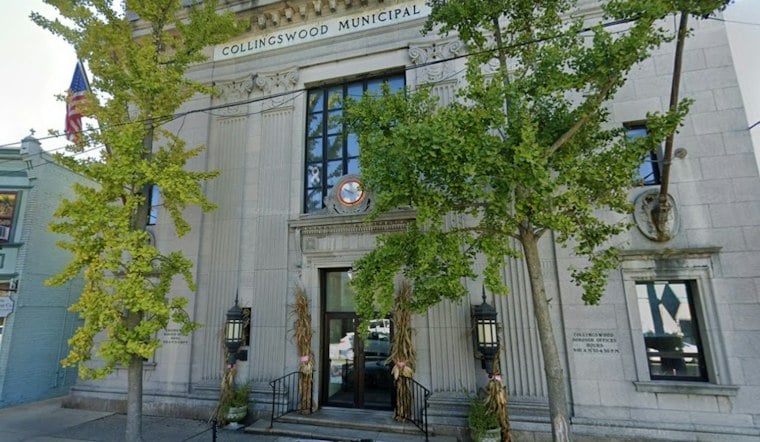
Collingswood has officially ended its ban on backyard chickens, with borough leaders voting to let residents raise hens after an 18-year effort. Under the new ordinance, homeowners on larger lots can keep up to 12 hens.
The vote caps a years-long grassroots push that began long before most of the current borough commission took office, according to The Philadelphia Inquirer. A Facebook group called the Collingswood Chicken Uprising was formed in 2010 and swelled to more than 230 members as local advocates kept the issue alive online through repeated failed legislative attempts, per the Inquirer's reporting. The measure passed with no public opposition before the vote.
A Campaign That Took Nearly Two Decades
A previous serious attempt to legalize hens in Collingswood collapsed in 2019, after residents spent more than a year showing up to public commission meetings only to see the ordinance never called for a vote, the Inquirer reports. It took a change in borough leadership years later to finally move the measure forward. Gwenne Baile, a retired certified nurse-midwife known in South Jersey advocacy circles as the region's leading backyard-chicken organizer, told the paper that Collingswood was the first town where no resident spoke out against backyard hens during public comment.
Baile has worked to change backyard-chicken ordinances in New Jersey. Camden County Chickens is a local organization. The Inquirer credits her with helping pass most of the backyard-hen ordinances already on the books in other Camden County municipalities, where hens are now legal in 19 towns beyond Collingswood, including Haddon Township, Haddonfield, and Stratford Township.
How the New Licensing System Works
Collingswood will cap the number of active backyard hen licenses at 30 residents at any given time, per the ordinance details reported by the Inquirer. To apply, residents must complete a license application, pass a chicken care course, pass yard inspections both before and after installing a coop, and pay a $20 annual license fee. Roosters remain forbidden, and licensees are barred from selling their eggs or slaughtering their birds. The new code also sets rules around cleanliness, smells, and waste management, with the number of hens a household may keep tied directly to property size.
The required training, titled The Basics of Raising Backyard Chickens in the Suburbs, is a three-hour course administered by Gwenne Baile. New Jersey state law sets no statewide limits on flock size, rooster bans, or coop setbacks, leaving all such regulation to municipal codes and local health boards, per CityHubGo — which is why the fight had to be won town by town rather than through any single state policy.
Oversight Lands With a New Advisory Board, Not Zoning
During public council discussions in August and September, chicken advocates successfully pushed Collingswood leaders to route coop oversight through a new advisory board rather than requiring formal zoning board approvals, arguing that portable coops on wheels do not create permanent impervious surfaces, according to Citizen Portal. That compromise is credited with smoothing the ordinance's final passage by cutting bureaucratic hurdles and costs for homeowners who just want a small coop.
Grant Patterson, a Collingswood resident and software engineer, plans to lead the borough's new backyard hen advisory board, which will include Patterson and seven other residents. The board is responsible for investigating complaints, inspecting coops, and helping relocate hens when residents can no longer keep them. Rule violations could bring a fine of up to $1,250 or up to 90 days in prison, per the Inquirer's reporting on the ordinance's enforcement terms.
Collingswood's dense footprint shaped much of the debate over lot sizes and setbacks. The borough covers just 1.83 square miles but holds a population density exceeding 7,700 residents per square mile, according to Census Reporter data — a density that made minimum lot-size thresholds a central sticking point for officials and neighbors alike throughout the ordinance's development.
Patterson said chickens are the least of people's worries, and pro-chicken residents in Collingswood say they will work to educate neighbors about starting a coop.



