

























































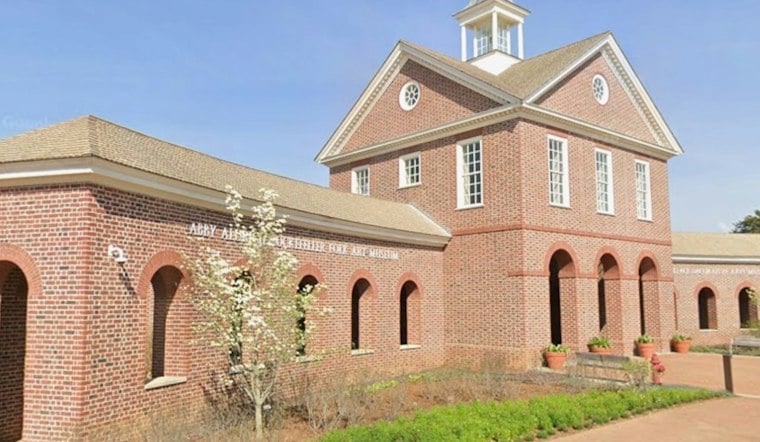
Colonial Williamsburg is turning its archives into theater this October, staging four evening performances that bring letters, diaries and documents from its Rockefeller Library collections to life inside Hennage Auditorium. The readings, held on October 9, 16, 23 and 30, run from 7 to 9 pm at the auditorium, located at 301 S Nassau Street in Williamsburg. Each night features Colonial Williamsburg actors, interpreters and special guests performing readings of historical letters, diaries and documents.
The series, called Letters from the Archives, is part of a special evening lineup marking Colonial Williamsburg's centennial, according to Williamsburg Families. As a separate event listing from the same outlet describes it, visitors can explore 100 years of The Colonial Williamsburg Foundation through archival letters and correspondences, brought to life by Nation Builders, historical interpreters and special guests. The event is formally tied to the foundation's broader slate of 100th Anniversary Events.
Three Centuries of Voices in the Room
The program draws on material spanning three centuries of voices connected to Williamsburg, pulled directly from the Rockefeller Library's archival holdings. Tickets for the performance are available through Colonial Williamsburg. Guests arriving early can also visit Colonial Williamsburg: The First 100 Years, an exhibition that opens one hour before each performance begins.
The letters being read are drawn from an archive with real depth. The John D. Rockefeller Jr. Library holds approximately 160 major manuscript collections spanning documents from the 17th to the early 19th centuries, according to the library's own research page, found at research.colonialwilliamsburg.org. Those holdings cover most aspects of Tidewater Virginia culture and beyond, ranging from Patrick Henry's Resolves to the correspondence of ordinary local Williamsburg residents. Some manuscripts have already been digitized and transcribed for online access, with finding aids available through the Virginia Heritage Project.
Collecting Since the Foundation's Earliest Days
That archival effort is nearly as old as Colonial Williamsburg itself. The foundation has been collecting original manuscripts, newspapers, playbills, broadsides, pamphlets and other primary sources since 1926, per the John D. Rockefeller Jr. Library, meaning this October's readings tap into a collecting tradition that began almost a century before the centennial programming now putting those documents on stage.
The specific collections cataloged through the library's special collections browser give a sense of what kinds of voices such an archive can hold. One set of Wadsworth and Carter receipts from 1782 to 1783 relates to circumstances surrounding the Battle of Yorktown, according to the Rockefeller Library's special collections finding aid. Another holding is a ledger and daybook kept by William Nelson, a merchant and colonial leader in Yorktown, Virginia, covering 1767 to 1784. The archive also includes three letter books belonging to Robert Carter III of Nomini Hall, tracing his life across Westmoreland County, Williamsburg and Baltimore, Maryland, along with the papers of Dr. Thomas H. Sherwood, who supervised the Eastern Virginia Lunatic Asylum during the Union occupation of Williamsburg in 1862.
Archives That Inform More Than the Stage
This kind of document-driven research doesn't just end up in a performance hall. Colonial Williamsburg's blacksmiths, brickmakers and other tradespeople have long used archival research to study the lives of the people who practiced their crafts in 18th-century Williamsburg, as reported by WYDaily. Letters from the Archives gives the public a rare chance to hear that same raw material read aloud rather than filed away in a research room.





