

























































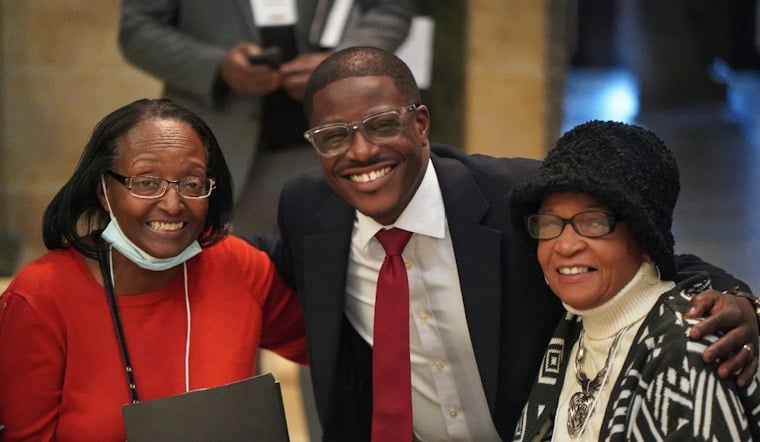
David Crowley and Tom Tiffany squared off Wednesday night in what turned out to be the only scheduled debate of the Wisconsin governor's race, trading sharply different plans on taxes, data centers and marijuana policy during an hourlong face-off at Marquette University in Milwaukee. The debate was held without an in-person audience.
The matchup pits Milwaukee County Executive Crowley, the Democratic candidate, against U.S. Rep. Tom Tiffany, the Republican nominee, according to gmtoday.com. WISN 12 News hosted the event, which the station says was the only debate scheduled between the two in this race, as reported by wisn.com. Political Director Matt Smith and “UPFRONT” co-host Gerron Jordan moderated the discussion, which ranged across the cost of living, taxes, education, data centers, immigration enforcement, election security, abortion and marijuana legalization.
The candidates met at the Marquette debate ahead of the election.
Tax Cuts, Surpluses and Data Center Subsidies
Tiffany laid out an aggressive tax-cutting agenda, saying he would reduce taxes on middle-income Wisconsin taxpayers and remove taxes on tips and overtime, per the station's report. He also pledged to return Wisconsin's $3 billion budget surplus to taxpayers and cut income taxes by 10% for working families earning less than $150,000, followed by ending what he called a 400-year property-tax increase, the same account notes.
Crowley, for his part, said he would steer one-time budget dollars toward high-impact investments in public schools, child care, affordable housing, clean water, roads and local infrastructure. On data centers, the two candidates found some overlap but differed on execution: Crowley said local communities should decide whether to host a data center and that developers should cover the full costs, while Tiffany said he would end all subsidies for data centers in Wisconsin and likewise give local communities final say.
Child Care, Marijuana and Red Tape
Crowley proposed capping child care costs at 7% of household income, a plan aimed at easing one of the most persistent affordability complaints facing Wisconsin families. Tiffany countered with a regulatory pitch he calls the Red Tape Reset, which he said would cut unnecessary regulations by 25%.
On marijuana, the candidates offered a clearer split. Crowley backed full legalization, while Tiffany said Wisconsin should start with medical use before deciding whether to legalize recreational marijuana down the road, according to the station's coverage of the debate.
Abortion, Immigration and Election Certification
Tiffany said he supports banning abortion after five months of pregnancy. Crowley addressed immigration enforcement by saying he does not support a blanket ban on sheriffs cooperating with U.S. Immigration and Customs Enforcement, framing public safety as his top priority on the issue.
Despite their disagreements on tax policy, data centers and abortion, the two candidates found agreement on one of the debate's most closely watched questions: both said they would certify the 2028 election regardless of the outcome, a commitment that came as election security was among the topics moderators raised at Marquette.



