

























































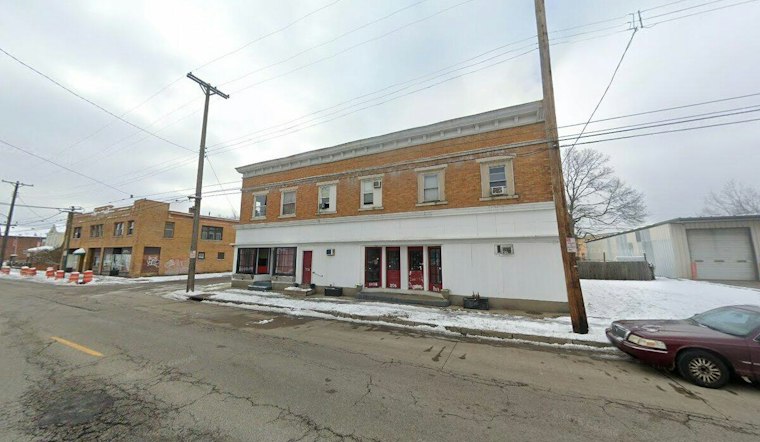
Dozens of residences sat empty this week after the City of Dayton and Dayton police executed an inspection warrant at Troy Street Apartments, finding what officials called significant life-safety hazards and ordering the complex immediately vacated. The property manager says the order forced out tenants who had only just found stable housing, and the owners plan to appeal.
The warrant, carried out on Thursday, Oct. 22, 2026, at 301-309 Troy Street and 1215-1219 Kiefer Street, came after the property had already been determined to be a nuisance, according to whio.com. The station reports the warrant was requested by the city specifically to evaluate safety concerns that remained unresolved after that nuisance determination, and that the Dayton Division of Housing and Inspections executed the warrant alongside police. The complex contains about three dozen residences with shared kitchens and bathrooms, and its owner reportedly missed the compliance period meant to fix the property's issues, according to the original reporting from the Dayton Daily News.
Inspectors examined shared and common areas with police officers present, and the city of Dayton and Dayton Police Department executed the warrant to evaluate documented structural, electrical, fire-safety and occupancy concerns, according to WDTN. City officials ultimately found significant life-safety hazards, the outlet reports, and determined the building had to be evacuated immediately. Occupants were given resources for temporary accommodations consistent with emergency vacate procedures, per the same report, though the city said it is still determining the next steps for the property and that the inspection findings would inform next steps in its nuisance-abatement process.
Manager Says the City Had Already Made Up Its Mind
John Desmond, the manager of Troy Street Apartments, said in a statement Friday that he believed the city had already decided to empty the building before inspectors even entered, according to the same whio.com report. Desmond criticized the vacate order, arguing it put lives at risk, and said it leaves tenants with fewer rights than they would have in a standard eviction because residents must move out so quickly.
“These are people who finally had a door that locked and a warm place to sleep,” Desmond said, according to whio.com's reporting. Many of the tenants, he said, had come directly from homelessness into the complex, which advertises a mission of providing clean, safe and affordable housing and helping people get back on track. The owners and managers of Troy Street Apartments said they would appeal the vacate decision, according to the Dayton Daily News.
The city of Dayton has said its priority is a safe environment and compliance with housing, fire and building regulations, per the Dayton Daily News account. Under state law, authorities may perform or contract for abatement of a public nuisance and, pursuant to a court order, remove and dispose of personal property that creates a dangerous or unsafe condition, according to Ohio Revised Code.
A Similar Standoff Played Out in Milwaukee
Dayton's case echoes a dispute earlier this year in Milwaukee, where officials temporarily shut down two apartment buildings after determining they had life-safety issues, according to WISN. Officials there said the buildings' electrical systems had been tampered with, fire systems were defective and fire doors were blocked, forcing the evacuation of 40 occupied units. WISN reported there was no exact timeline for residents to return, since the property owner was responsible for correcting the issues, while the property manager said it was working to arrange alternative housing for displaced tenants.
Homelessness Data Shows the Stakes for Displaced Tenants
The Troy Street closure lands against a backdrop of broader shifts in Montgomery County's homeless-response system. The county reported a nearly 13% decrease in homelessness in its 2026 Point-in-Time Count, according to Montgomery County, with more than 1,300 households served last year through permanent supportive housing, rapid re-housing and temporary housing programs. Permanent supportive housing alone served 862 households in 2025, including 161 families with children, the county said.
County data also shows nearly half of households entering the local homeless system exited within seven days or less in each of the past three years, and 97% of households in permanent supportive housing retained their housing or moved to another permanent destination in 2025. Those figures underscore what is at stake for Troy Street tenants who, per Desmond's account, had only recently moved out of homelessness before the vacate order forced them out again.



