

























































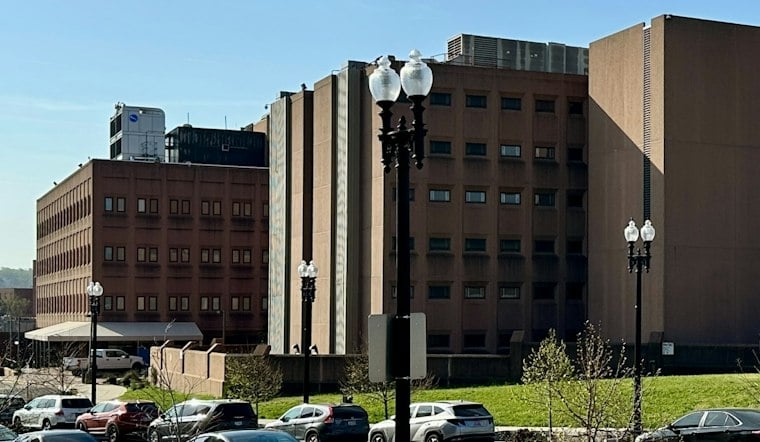
Kevin Condray was eating rice and beans at the D.C. jail when he bit down on something that did not belong there. He spit the wad out of his mouth, looked down, and says he found a dead baby mouse staring back at him.
Condray's account is one of several described by inmates who allege they were served food contaminated with vermin at the Central Detention Facility, according to The Washington Post. The allegations are central to a class-action lawsuit, Pernell Jackson et al. v. District of Columbia, in which plaintiffs say the jail knew it was feeding inmates vermin and did not do enough to fix the problem. A photograph provided in connection with the lawsuit shows an insect found in an inmate's food tray, and the complaint underlying the case dates back to 2024.
The Central Detention Facility, commonly known as the D.C. Jail, has housed inmates since the building opened in 1976, according to the D.C. Department of Corrections. The facility's age is frequently cited by critics of conditions inside, though the evidence reviewed does not establish that the building's age caused the specific food conditions described by Condray and other plaintiffs.
Oversight Body Conducted Inspections Through 2024
The Corrections Information Council, the independent body tasked with inspecting facilities that house District inmates, conducted regular on-site inspections of the Department of Corrections throughout fiscal year 2024, according to the DC Corrections Information Council. Under District law, the council is the entity responsible for this oversight function, according to the D.C. Law Library. That same statutory framework, known as D.C. Law 24-344, concerns the conditions of confinement for detained and incarcerated District residents under the jurisdiction of the Department of Corrections.
Among the council's recorded activity, a June and July 2024 inspection covered both the Central Detention Facility and the Correctional Treatment Facility, with the Department of Corrections' response attached separately, as reported by the DC Corrections Information Council. The council's public inspection records also list a DOC food-services report from August 2024, alongside quarterly and annual inspection reports stretching back further. The findings, photographs or recommendations contained within those specific reports were not made available for this story, and it remains unclear whether or how they relate to the allegations raised in the lawsuit.
A Pattern Seen Beyond D.C.
Complaints about vermin in prison and jail food are not unique to the District. In Pennsylvania, a review of nearly 80 legal filings found that people incarcerated at Blair County Prison reported encountering rodent droppings in food, along with poor access to medical care and violence, according to Spotlight PA. More than a dozen lawsuits tied to that facility mention mice or rats, including allegations of bites, droppings found in food and chewed commissary items. Blair County's warden has said the prison increased sanitation efforts and switched pest-control services, adding, “while we have not eliminated the issue completely, we have seen results.” County officials have since approved a design for a new $100 million prison expected to open in 2029, pending a land sale.
Similar allegations have surfaced elsewhere. A lawsuit filed over a medium-security jail in St. Louis alleges inmates there live in what it calls inhumane conditions, including rodent feces in food, bug and snake infestations, and severe overcrowding, per AP News. In Mississippi, a federal lawsuit led the state to cancel its contract with food-service provider Aramark in 2021 after describing food as spoiled, rotten, molded or uncooked, according to The Marshall Project. Michigan went through a comparable cycle, swapping Aramark for Trinity in 2015 after reports of maggots, mold and dirt in food, only to resume managing its own food service when the Trinity contract ended in 2018.
A Billion-Dollar Industry Running on Thin Budgets
The scale of the broader problem is tied to how little correctional systems spend on feeding the people in their custody. Most states spend less than $3 per person per day on prison food, and some spend as little as $1.02, the Marshall Project's reporting found. At the same time, the national prison and jail food-service industry was worth almost $3.2 billion in 2022 and is forecast to keep growing.
Those tight budgets appear to translate into real hunger and limited nutrition behind bars. A 2020 Impact Justice study cited by the same outlet found that 94% of incarcerated people surveyed said they did not receive enough food to feel full, while more than 60% said they rarely or never had access to fresh vegetables. A 2023 inspection report at a New Mexico prison, meanwhile, found mice droppings and what inspectors described as blood and milk on the floor of a walk-in cooler — yet the kitchen was still listed as approved, underscoring how inspection outcomes do not always match conditions described by inmates.





