

























































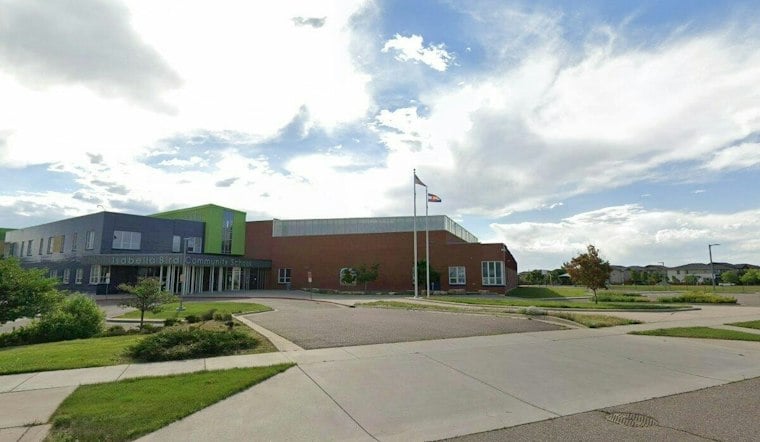
Denver Public Schools is adding four gifted and talented magnet programs in 2026, an expansion district officials describe as the first addition of its kind within the district in more than a decade. The new sites are Beach Court Elementary, Carson Elementary, Florida Pitt Waller ECE-8 and Isabella Bird Community School, and they come as the district leans on newer assessment tools meant to catch gifted students who have been historically overlooked, particularly multilingual learners.
According to 9News, Denver Public Schools is expanding the number of magnet schools for gifted and talented students for the first time in 15 years, adding four new programs starting in 2026. The district says it is using NGAT and AXIS assessment tools to identify gifted and talented multilingual learners, a shift that officials say has already helped increase identification of Hispanic or Latino gifted and talented students by 3 percent, per DPS.
Front Porch reports that the 2025-26 school year served as a planning period for the new magnet sites, with programs officially kicking off in fall 2026. Isabella Bird Community School, one of the four additions, was selected by DPS as a magnet site for highly gifted and talented students while continuing to operate as a standard community school. Bertie Fiz, a senior manager in the district's gifted and talented department, said the new schools were chosen because they sit in different regions of the district, making gifted and talented options easier for families to reach.
How Isabella Bird's Model Differs From Pull-Out Programs
Rather than pulling gifted students out of class for a few hours a week, Isabella Bird uses a schoolwide cluster model in which identified students are grouped with peers inside their regular classrooms, the same report notes. Under the district's general eligibility standard, students typically qualify for a magnet program if they score at or above the 95th percentile on a nationally normed cognitive test, according to Front Porch.
At Gust Elementary in Denver, the push to identify more bilingual gifted students is visible in daily instruction. Fifth-grade lessons taught by Jesus Hermosa-Tova are delivered half in English and half in Spanish, and fifth-grader Yemini Loya, who was identified as gifted and talented, receives extra work and challenges in class as a result. Loya said learning in both Spanish and English exposes her to cultural differences she can learn from, and she said the extra challenges make her lessons more fun and engaging.
A Years-Long Gap in Who Gets Identified
The push for new identification tools follows years of data showing wide gaps in who gets labeled gifted in Colorado. Denver leaders reviewed roughly five years of ACCESS language-test scores and identified more than 300 students who could be gifted based on accelerated language learning, according to Chalkbeat Colorado. That review helped multilingual learners climb from about 3% to 4% of Denver's roughly 6,900 identified gifted students, the outlet reported. DPS also piloted a new cognitive test called the NGAT for universal screening, with plans to administer it to all second graders that fall, per the same account.
Statewide, the imbalance remains stark. White students make up more than 69% of students in Colorado's gifted programs while representing 50% of the overall student population, Chalkbeat reported. Hispanic students make up 35.5% of all Colorado students but only 16% of those identified as gifted, and multilingual learners account for 13% of students statewide but just 2.3% of gifted students, the outlet found. In San Juan BOCES districts, the share of gifted students qualifying for free or reduced-price lunch rose from 26.5% in 2020-21 to 32% in 2023-24, according to the same reporting.
In Denver specifically, Hispanic and Black students make up 69% of the district's population but only 29% of students identified as highly gifted under its universal testing system, Chalkbeat reported in an earlier analysis. That same reporting found the percentage of Black students identified as highly gifted had risen to about 5% after a round of fall screening. A separate Chalkbeat report found Denver's highly gifted population was nearly three-quarters white at a time when white students represented just 23% of the district's overall enrollment.
Disparities Documented Across District Data
Denver7 reported that about 26% of the district's students are learning English as a new language, yet only about 3% of gifted students were multilingual learners before the recent data review pushed that figure to 4%. A Rocky Mountain PBS analysis of an earlier period found Denver's student population was 22% white, 14% Black and 57% Hispanic, with just under 70% qualifying for free or reduced-price lunch districtwide — yet one gifted program, Polaris at Ebert, was 81% white with only 3% of students qualifying for free or reduced lunch, according to that report. The same analysis found 10.9% of white students were classified as highly gifted compared with 0.9% of Hispanic students and 1.1% of Black students in a prior comparison.
Denver is not alone in trying to close that gap. Chalkbeat has pointed to the Broward County School District in Florida, Atlanta Public Schools and the Paradise Valley Unified School District in Arizona as systems that made progress diversifying their gifted and talented populations. Denver previously operated nine specialized magnet programs for highly gifted students, per Chalkbeat's reporting, a number the new sites at Beach Court, Carson, Florida Pitt Waller and Isabella Bird are now set to expand.




