

























































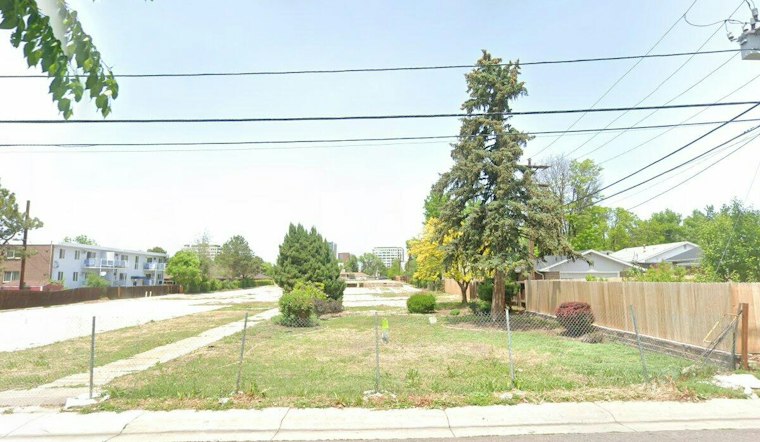
Denver officially opened Bethesda Park on October 22, turning a former commercial greenhouse lot at 4301 E. Iliff Avenue, near South Bellaire Street, into nearly two acres of new public green space in the city's North University Hills neighborhood. The site had sat vacant for years after Denver Parks and Recreation acquired the former Groundcovers Greenhouse property in 2019, and its debut closes a long-standing gap for residents who previously had to travel nearly a mile to reach open space.
The purchase and opening were detailed in a report from developingmycity.com, which covered the ribbon-cutting ceremony where Denver Parks and Recreation Executive Director Jolon Clark appeared alongside City Council President Diana Romero Campbell and former Councilwoman Kendra Black. Clark said the park was designed for and by community members, with accessible play, shaded gathering areas and native landscaping for local pollinators, according to seed facts tied to The Denver Post. The Post also reports the two-acre site sits at East Iliff Avenue and South Bellaire Street in southeast Denver.
What's Actually on the Ground
The finished park includes an accessible, two-tiered playground with separate areas for children ages 2 to 5 and 5 to 12, according to the developingmycity.com report. A half-court basketball court — described by The Denver Post as a multisport court — sits alongside open lawns, shaded picnic tables, seating areas and pedestrian pathways woven through the site.
Per the Post's reporting, the park also includes two plazas with picnic tables and shade structures, walking paths, solar-powered lighting, and a small outdoor classroom tucked into a forest grove. Interpretive gardens feature native Colorado plants and pollinator habitats, the developingmycity.com account notes, while the Post adds that the park incorporates native grasses meant to help filter water in that grove, along with a pollinator garden, pollinator hotels, birdhouses and bat houses.
Built From Salvaged Materials
Officials say the park repurposes salvaged fallen tree trunks found on-site and concrete pavers for a forest grove pathway, according to facts attributed to The Denver Post. Roughly one-third of the park will be covered by native grasses and pollinator-friendly perennials, which officials say will reduce long-term water needs once established while providing habitat for insects and birds. The site also includes 95 newly planted trees intended to grow the urban tree canopy, provide shade and host wildlife.
How the Project Got Funded
Denver spent $5.1 million in 2019 to purchase the two-acre former greenhouse and garden-center site, according to Denverite. That parcel was the first property purchased through the city's Parks Legacy Fund, which Denver voters approved in 2018 to help preserve and expand the park system, per the city. Construction itself was funded through the RISE Denver General Obligation Bond program, a voter-approved initiative passed in 2021 to support economic recovery and invest in city infrastructure, with the Post reporting the bond contributed $5.5 million to the Bethesda Park project.
The park's name has its own backstory. Denverite reports that in March 2024, the site was officially named Bethesda Park after a former medical facility that once stood there, following a community naming process. Denver Parks and Recreation Advisory Board minutes from January 2024 show that seven names were considered before the board recommended Bethesda Park in a vote that passed unanimously with one abstention, advancing it to City Council for approval.
Timeline Shifted Along the Way
The project's schedule moved over time. Those same advisory board minutes outlined a plan to finish final design in 2024, build the park in 2025 and open it in 2026, while Denverite's March 2025 reporting anticipated construction beginning in 2026 with the park expected to open in 2027. The park ultimately opened on October 22, ahead of that later projected timeline.
Part of a Bigger Access Push
Denver Parks and Recreation says the new park supports the city's broader goal of ensuring every resident can reach quality park space within a 10-minute walk or roll. That goal reflects real gaps across the city: the Trust for Public Land reports that while 86% of Denver residents live within a 10-minute walk of a park or open space, residents in neighborhoods of color have access to 19% less park space per person than the city average, and residents in low-income neighborhoods have access to 37% less. Trust for Public Land also counts 514 parks citywide as part of its national ParkScore comparison of the 100 largest U.S. cities on acreage, access, investment, amenities and equity.
Community members got an early heads-up on the project's funding origins through social media. A Nextdoor post from Denver Parks and Recreation noted that the park was thoughtfully designed in collaboration with the community beginning in 2019 and is funded through Parks Legacy Funds and the Denver Bond Program. For a neighborhood that had been waiting years for a nearby patch of green, Bethesda Park's opening turns that long design process into swing sets, basketball hoops and native gardens residents can walk to.





