

























































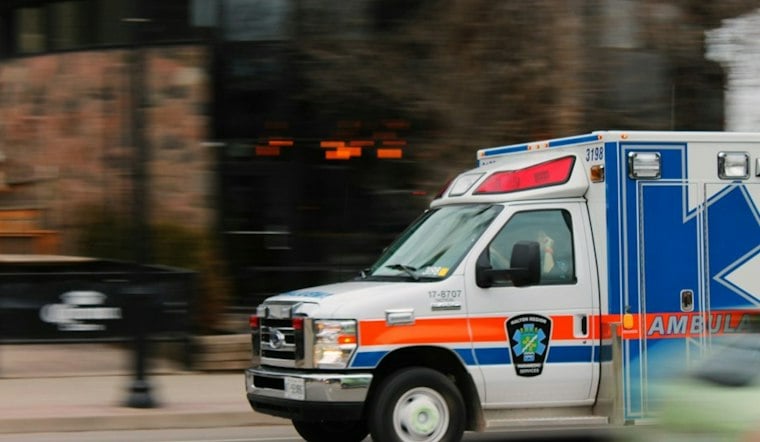
After nearly a year of giving trauma patients blood transfusions before their ambulances ever reach a hospital, Des Moines and West Des Moines EMS crews are about to have company statewide. Starting Sunday, November 1, every EMS department in Iowa can opt into the pre-hospital blood transfusion program that began as a local pilot, giving first responders across the state a tool that can mean the difference between a patient surviving the ride to the emergency room or not.
A Year of Testing Pays Off
Des Moines and West Des Moines EMS have completed nearly a year of the pilot, according to WHO13. In that time, Des Moines EMS transfused 22 units of blood while West Des Moines EMS transfused eight, the station reports. Starting November 1, the station notes, all other departments in the state can opt in, with access to the system and training beginning the same day.
The pilot grew out of a partnership that both agencies struck with MercyOne and UnityPoint Health to get the program off the ground, per the station's reporting. LifeServe Blood Center supplies the blood locally — though an earlier EMS1 report specified that what LifeServe supplies for the Des Moines program is red blood cells rather than whole blood. The program officially launched on November 17, 2025, when the City of Des Moines described it as the first of its kind in Iowa, a collaboration that also included Simulation in Motion-Iowa, with blood stored on district chief and supervisor vehicles for use at trauma scenes or en route to hospitals.
Minutes That Matter
West Des Moines EMS Deputy Chief Brian Rayhons said patients are now receiving blood an average of 15 to 20 minutes before their ambulance reaches the hospital. The technology behind that speed is the LifeFlow device, which allows crews to administer a unit of blood in under two minutes, the station's report notes. “We are getting more patients to the hospital alive and in better shape than what we were previously,” Rayhons said.
That urgency tracks with the scene the city described after a February stabbing at Polk County's Life Services Center. On February 19, 2026, a security guard was stabbed there, and Des Moines Fire Department medics delivered a blood transfusion to the patient within minutes, according to the city's account. UnityPoint Health trauma surgeon Rick Sidwell said it was that blood he received before arriving that allowed him to survive long enough to reach the trauma center at Methodist. By April 20, the city reported, the patient had been discharged and was recovering, and the crew from Des Moines Fire Station #4 that treated him finally got to meet him in person the week before.
Doctors Point to Recoveries and Research
Dr. Willie McClairen Jr., medical director of trauma at MercyOne Des Moines, pointed to another case from the pilot: a patient in a severe motorcycle accident who received pre-hospital blood and later recovered enough to walk out of the hospital, per WHO13's report. McClairen said hemorrhage is one of the most common causes of death and morbidity among trauma patients, and that those patients have lower chances of survival without blood given before they reach the hospital — while early blood infusion improves their odds of survival, he said.
Outside estimates about just how much that early blood matters vary. Dr. Vella has estimated that every minute a patient waits to get blood increases their risk of death by about 1.5% to 2%, according to the Des Moines Register. A separate review published in the journal Trauma Surgery & Acute Care Open cites a 2024 study finding that each minute a transfusion is delayed can raise mortality by up to 11% per minute. Sidwell has also estimated that more than 200 lives could be saved across Iowa each year once the program is implemented statewide, the Register reported.
Iowa Joins a Small but Growing List
Iowa's expansion comes as pre-hospital blood programs remain relatively rare nationally. The same review in Trauma Surgery & Acute Care Open estimates that only about 3% of the roughly 11,450 eligible U.S. ground EMS units currently provide prehospital blood transfusion, even as the underlying clinical evidence supports blood products for both traumatic and non-traumatic hemorrhage, with documented improvements in early hemodynamics and survival. The review points to statewide coordination — aligning blood centers, hospitals, and EMS agencies — as a practical way to expand access, and cites states including Texas, West Virginia, Florida, Delaware, and Colorado as examples of broader implementation efforts already underway.
The Prehospital Transfusion Coalition notes that the number of EMS agencies running transfusion programs nationwide is increasing quickly. With Des Moines and West Des Moines EMS having spent nearly a year working out the kinks, Iowa's program is now prepared for that statewide rollout, giving departments across the state the chance to bring the same minutes-matter approach to their own ambulances starting this weekend.





